Custom Engine Rocker Arm Manufacturer
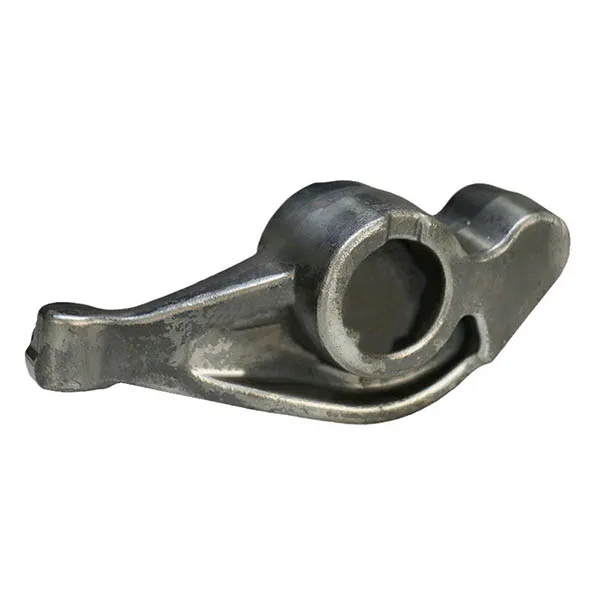
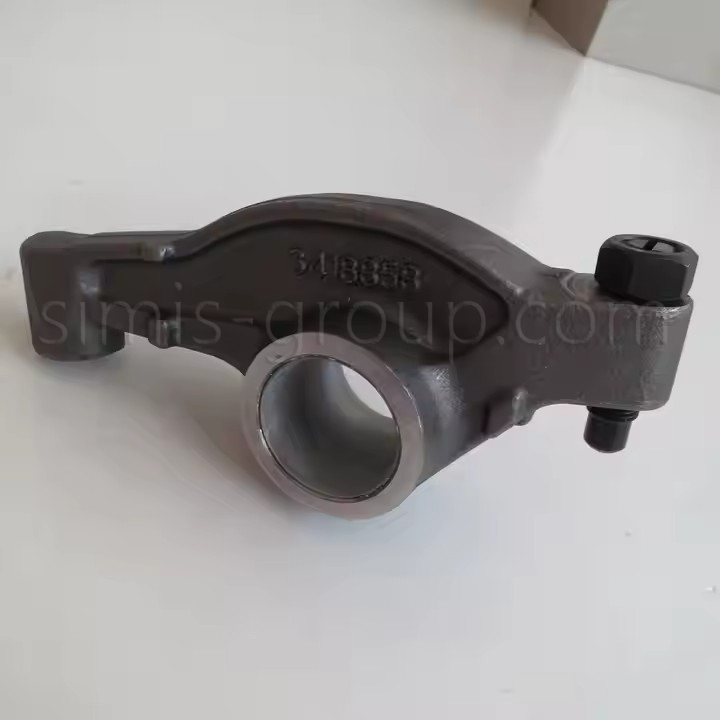
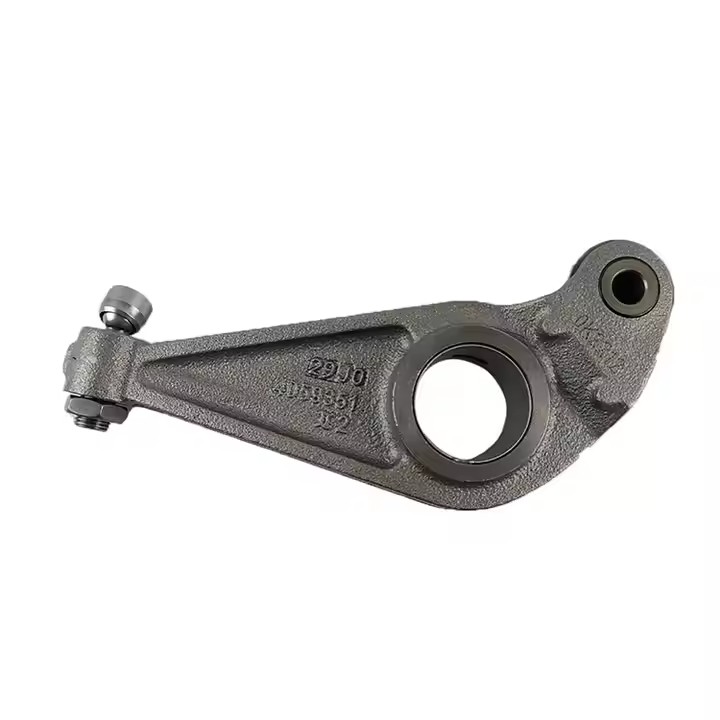
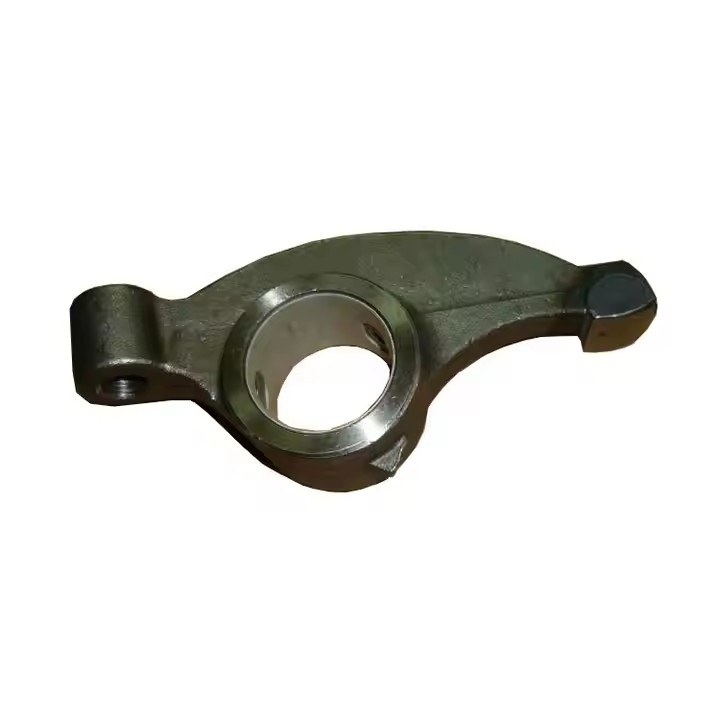
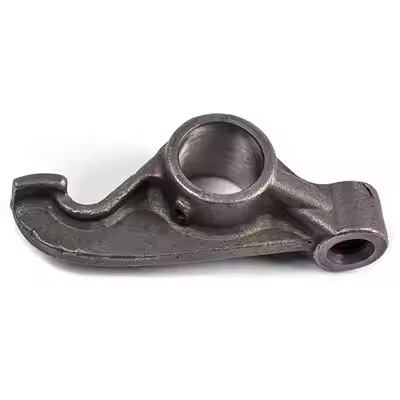
Engine Rocker Arm

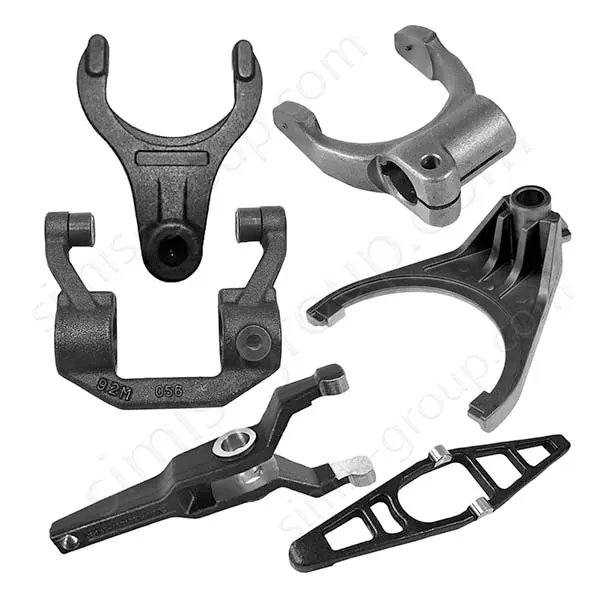
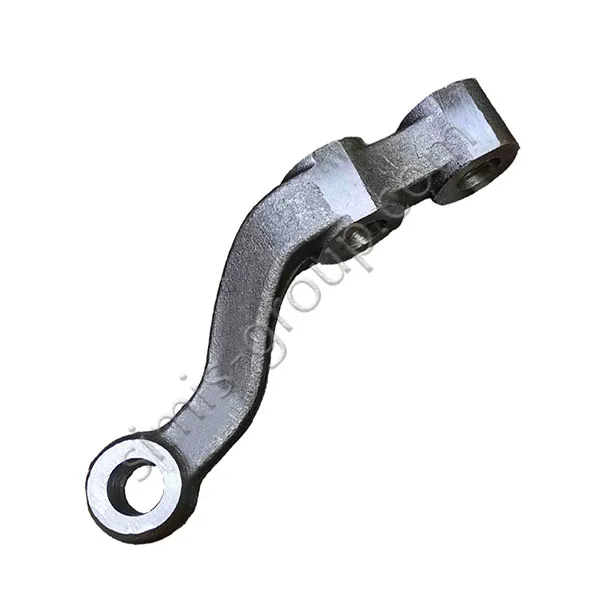
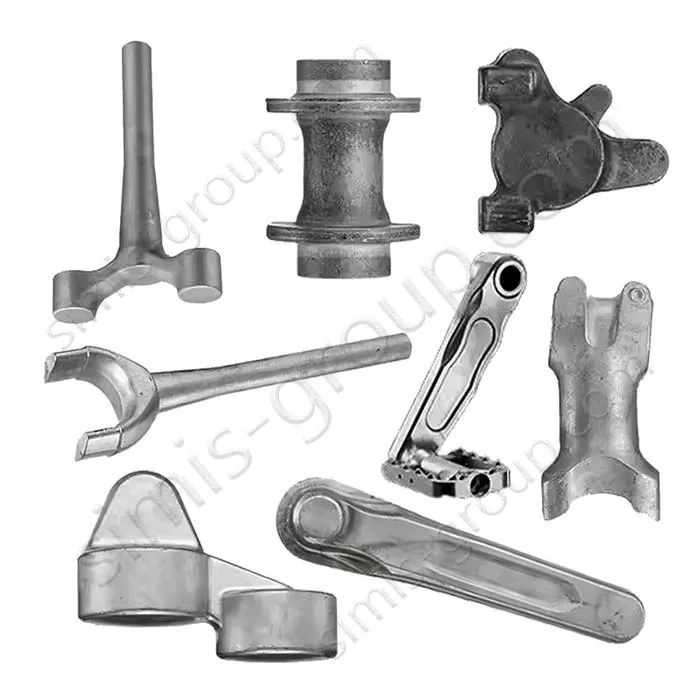
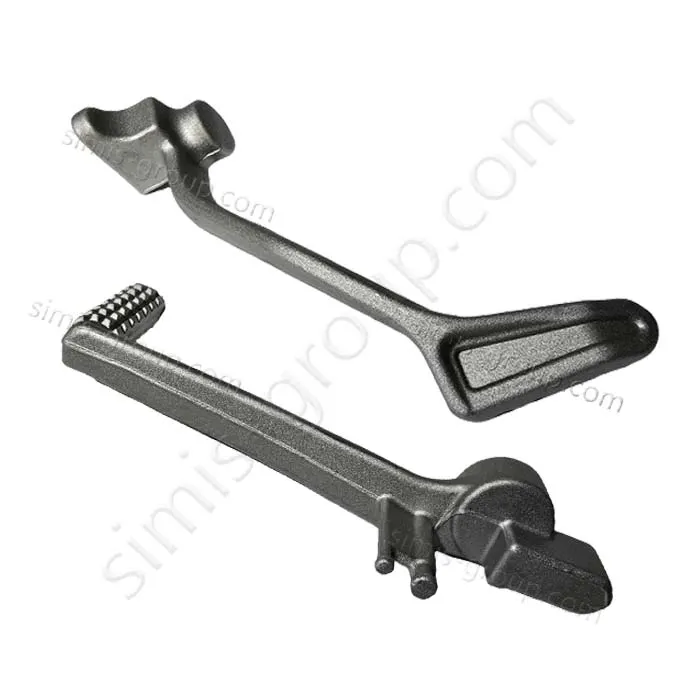
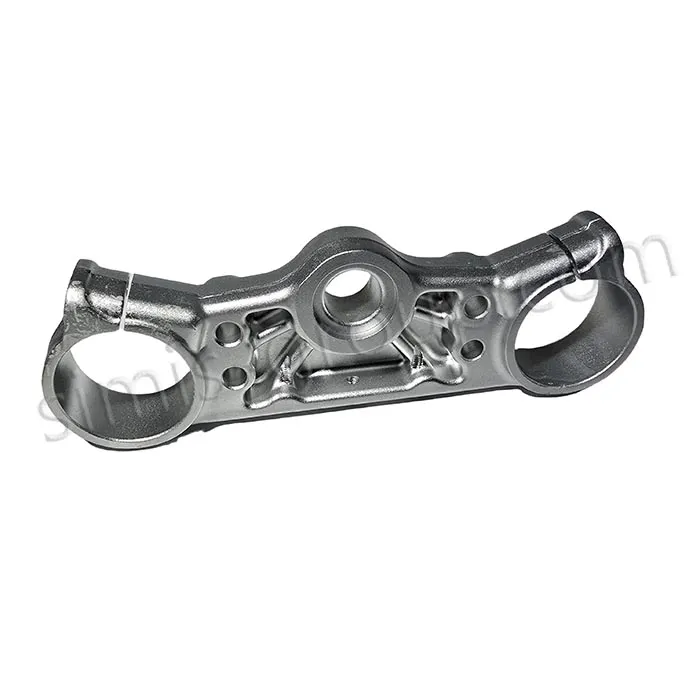
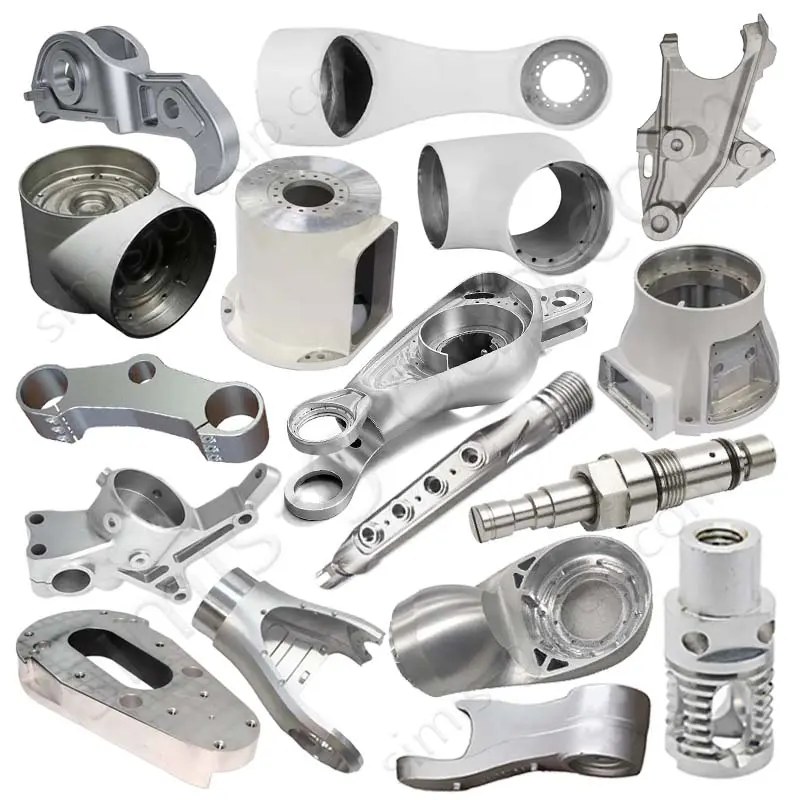
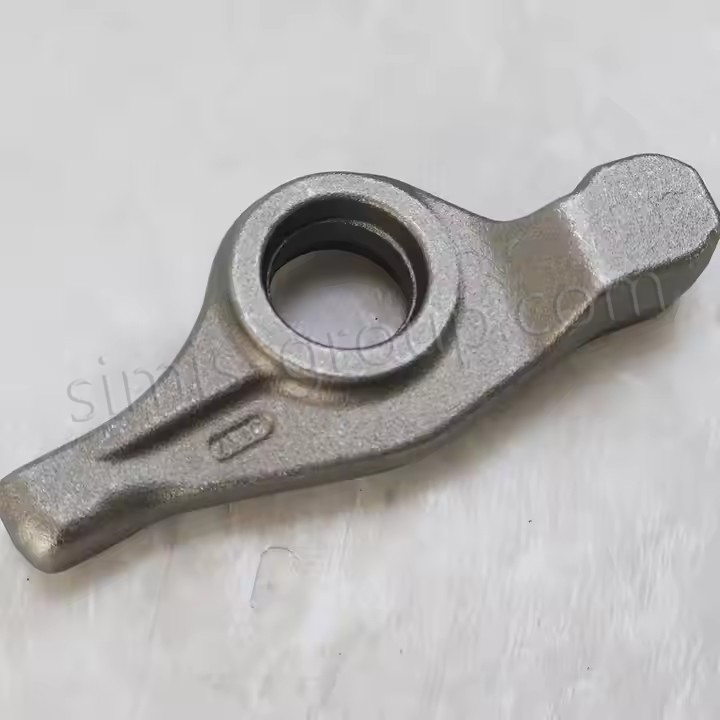
China Simis Company is a specialized OEM custom manufacturer of high-precision Engine Rocker Arms. These essential components convert the upward linear motion from the pushrod or cam lobe into the downward linear force required to open the engine’s intake and exhaust valves. Rocker arms directly govern valve timing and lift, making their integrity and precision critical to engine performance and efficiency.
Rocker Arms endure extreme operating conditions, including high-frequency impact loads, high-cycle fatigue, and severe sliding wear at the valve contact point, pushrod socket, and pivot bushing. We utilize both Precision Forging and High-Integrity Casting to produce components from Alloy Steel, Ductile Iron, and Aluminum Alloy, ensuring superior fatigue strength, exceptional wear resistance, and precise mass distribution for stable high-RPM operation.
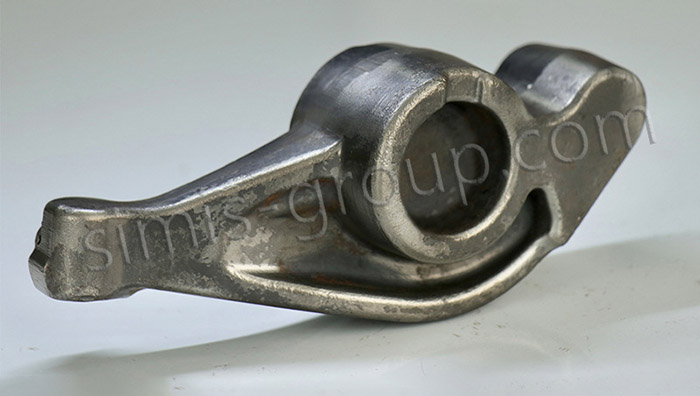
What Are the Manufacturing Processes for Engine Rocker Arm?
The choice between forging and casting depends on the engine design (e.g., overhead valve OHV vs. overhead camshaft OHC) and the required performance level. We mainly adopt 4 core processes including Precision Closed-die Forging, Shell Mold/High-Integrity Sand Casting, Heat Treatment and Precision CNC Machining to meet different engine rocker arm production needs.
| Manufacturing Process | Material Focus | Rocker Arm Type & Key Advantage |
| Precision Closed-die Forging | Alloy Steel (AISI 4140), Aluminum Alloy. | High-Performance/Racing Engines; forging provides the highest strength-to-weight ratio and optimal grain flow, maximizing fatigue life under extreme thermal and mechanical cycling. |
| Shell Mold Casting / High-Integrity Sand Casting | Ductile Iron (QT series), Cast Steel. | Volume Production/Heavy-Duty Engines; cost-effective method to achieve complex hollow structures while maintaining the necessary stiffness and damping properties. |
| Heat Treatment | Alloy Steel, Ductile Iron. | Quenching & Tempering (Q&T) for core strength, followed by Induction Hardening, Carburizing, or Nitriding specifically at the valve tip and pushrod socket to achieve extreme localized surface hardness (HRC 55-62) for wear resistance. |
| Precision CNC Machining | All Alloys. | Critical. Used to machine the valve tip profile (crucial for lift curve), the pushrod socket, and the pivot bore to strict tolerances. |
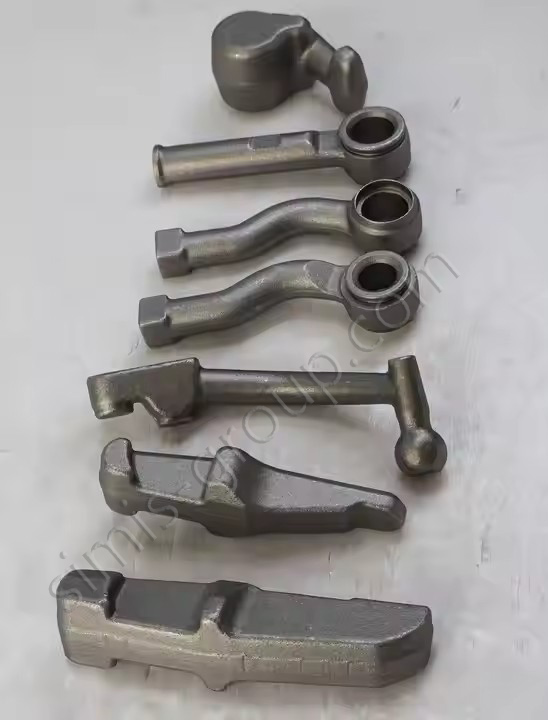
How to Select Engine Rocker Arm Materials?
The material must be stiff and light to minimize inertial mass, allowing the engine to reach high RPM without valve float, while contact surfaces must withstand punishing wear. We provide 3 main material types including Forged Alloy Steel, Cast Ductile Iron and Forged Aluminum Alloy for engine rocker arm production, each with specific performance advantages matching different application requirements.
| Material Type | Primary Performance Requirement | Typical Rocker Arm Application |
| Alloy Steel (Forged) | Maximum core strength and impact toughness for heavy-duty truck and diesel engines. | Forged steel is the standard for high-stress, long-life commercial engines. |
| Ductile Iron (Cast) | Excellent stiffness, good damping, and cost-effectiveness; readily allows for surface hardening. | Mass-market automotive engines where stiffness and NVH control are important. |
| Aluminum Alloy (Forged) | Lightweighting (lowest inertia); critical for high-speed engines to reduce the mass of the valve train. | High-performance, racing, and high-RPM motorcycle engines. |
| Wear Resistance | High Surface Hardness. | The valve contact area must resist abrasive wear and pitting under high load and high sliding velocity. |
What Measures Ensure Engine Rocker Arm Precision Machining and Quality Assurance?
Dimensional control and surface finish are critical to accurate valve timing, reliable lubrication, and overall durability. Our core quality assurance measures include geometry & timing precision control, surface finish optimization, mass consistency management and non-destructive testing to guarantee each engine rocker arm meets strict performance standards.
·Geometry and Timing:
CNC machining ensures the crucial distance between the pivot point, the pushrod socket, and the valve tip is maintained to micro-level tolerances, directly influencing the engine's valve lift and event timing.
·Surface Finish:
Contact surfaces (tip and socket) require a very fine surface finish (Ra <0.4m) after hardening to minimize friction and prevent premature wear or failure of the roller/pad.
·Mass Control:
For high-RPM engines, the mass moment of inertia must be strictly controlled across all units to prevent valve float or timing errors between cylinders.
·Non-Destructive Testing (NDT):
Magnetic Particle Inspection (MPI) or Dye Penetrant Inspection is mandatory on high-stress areas (especially the pivot bore) after hardening to ensure freedom from cracks or grinding burns.
What Are the Key Application Fields of Engine Rocker Arms?
Engine rocker arm are widely used in various internal combustion engines, especially in the following fields:
Automotive engine rocker arm
Passenger cars and commercial trucks use rocker arm made of carbon steel, alloy steel, or aluminum alloy. Closed-die forging or open-die forging combined with precision machining ensures torsional strength, fatigue resistance, and smooth valve actuation. Heat treatment improves wear resistance and dimensional stability, supporting reliable engine performance across high-speed operation and long-term service. Ductile iron rocker arm produced by sand-casting or shell-mold casting are applied in cost-sensitive vehicles, offering vibration damping and acceptable load-bearing capacity.
Motorcycle engine rocker arm
Motorcycles, especially lightweight or mid-range engines, use rocker arm made of aluminum alloys or stamped steel. Precision forging or machining reduces reciprocating mass, improving throttle response and engine efficiency. Surface hardening and finishing enhance wear resistance, while lightweight design maintains smooth valve operation under high-speed rotation.
Heavy-duty and industrial engine rocker arm
Construction machinery, agricultural equipment, and industrial engines use alloy steel or carbon steel rocker arm. Closed-die forging and precision machining provide high impact strength, torsional stability, and fatigue resistance under continuous heavy loads. Ductile iron rocker arm produced by sand-casting or shell-mold casting are applied in cost-sensitive engines, offering vibration damping, wear resistance, and adequate strength for valve actuation.
Marine and chemical industry engine rocker arm
Marine propulsion engines or engines operating in corrosive environments adopt stainless steel rocker arm. Closed-die forging or precision machining ensures corrosion resistance, wear resistance, and reliable valve movement. Surface finishing and heat treatment further enhance durability for continuous operation in harsh conditions.
High-performance and racing engine rocker arm
Racing cars and high-speed performance engines use alloy steel or aluminum alloy rocker arm. Closed-die forging produces high torsional strength and fatigue resistance, while low-mass aluminum alloy reduces reciprocating inertia. Precision machining ensures accurate valve timing and smooth operation at high engine speeds, improving power output and reliability.
What Are the Advantages of Simis OEM Custom Engine Rocker Arms?
Partnering with Simis guarantees engine reliability, efficiency, and longevity:
·Extreme Wear and Fatigue Expertise:
We specialize in the application of precise localized surface hardening (e.g., Carburizing or Induction Hardening) to achieve the required wear resistance at contact points while maintaining a tough, fatigue-resistant core.
·Precision Valve Timing Control:
We utilize advanced CNC machining to maintain the critical geometric relationships between the pivot, pushrod, and valve tip, guaranteeing accurate valve lift and timing.
·Mass Consistency:
We apply strict mass control protocols across production lots, which is vital for engine builders aiming for high-performance and balanced operation across multiple cylinders.
·Material Versatility:
We offer tailored solutions across the spectrum, from cost-effective Ductile Iron casting to high-performance Alloy Steel forging and Aluminum lightweighting.
How to Get a Quote for Custom Engine Rocker Arms?
China Simis Company is your expert global partner for custom-forged and cast Engine Rocker Arms, engineered for superior wear resistance, maximum fatigue life, and precise valve timing control.
Please submit your 2D technical drawings, 3D models (showing pivot bore and tip profile), and specific requirements for material grade, required HRC surface hardness at contact points, and target mass tolerance to our engineering department for a consultation and detailed quotation.