Custom Railway Knuckle Coupler Manufacturer
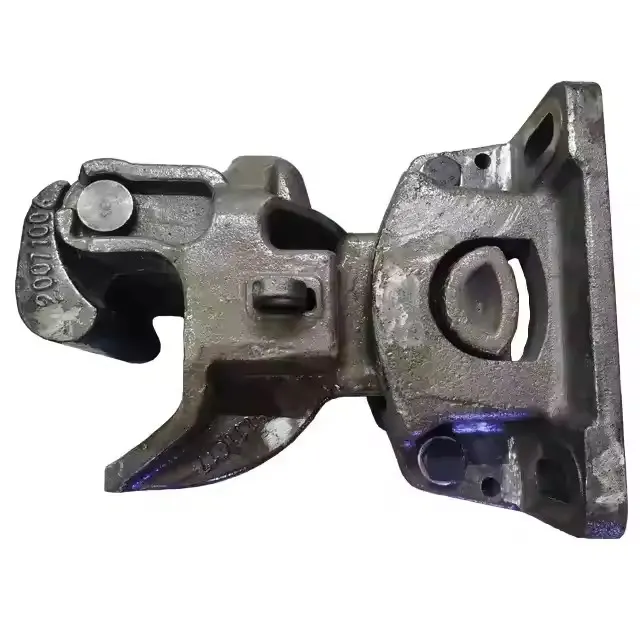
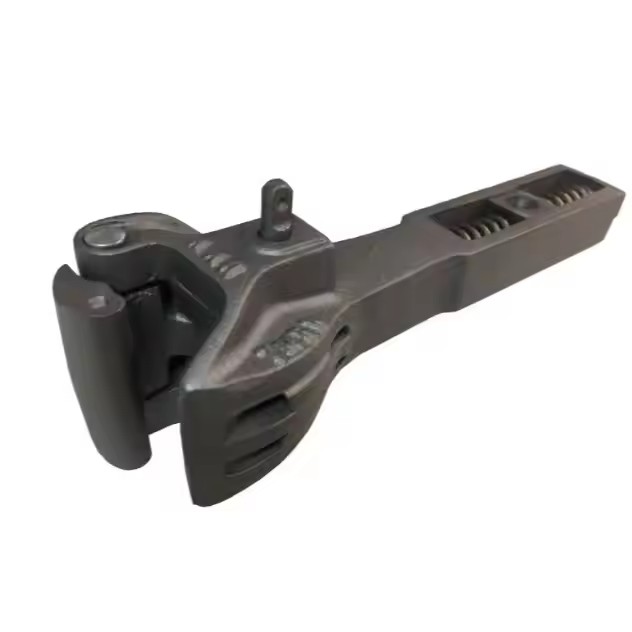
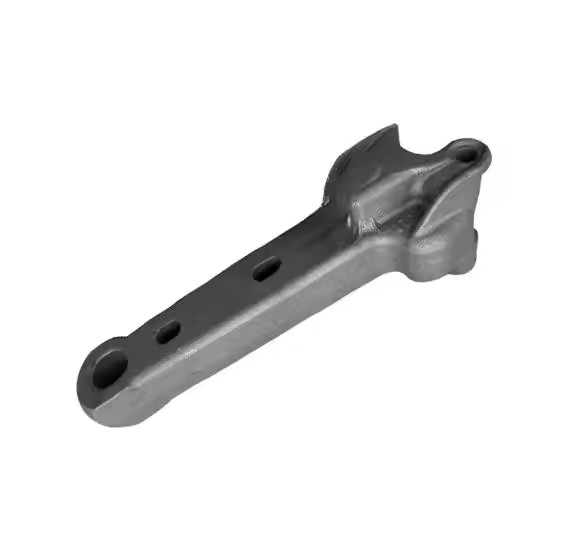
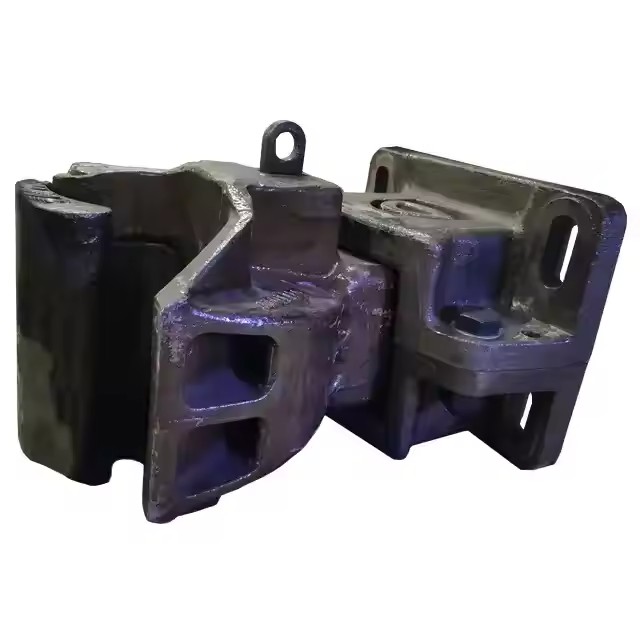
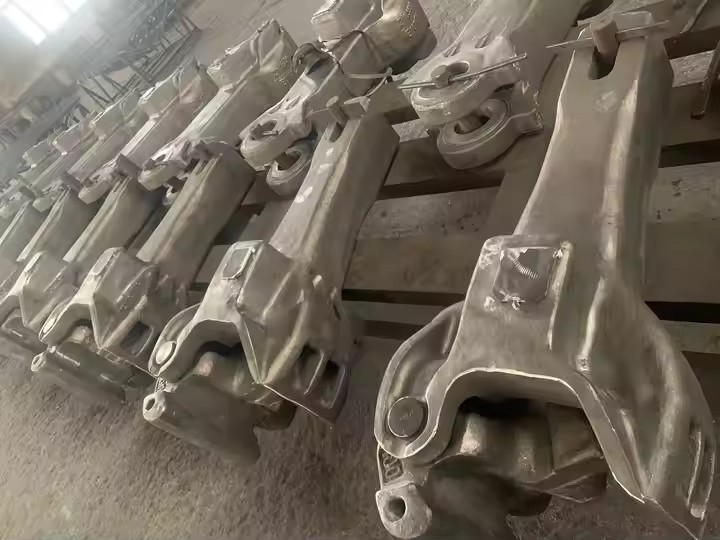
Railway Knuckle Coupler

Custom Railway Knuckle Coupler Manufacturing FAQs
Can SIMIS manufacture railway knuckle couplers and draft gear parts from OEM drawings?
SIMIS reviews drawing-based manufacturing inquiries for custom railway knuckle coupler components, including coupler bodies, knuckles, coupler yokes and selected connecting pins or wear-related metal parts. Please provide approved drawings, required steel grade, component type, intended coupling system and applicable acceptance specification. We assess whether casting, forging and CNC machining are suitable for the proposed part. Tooling, manufacturing scope, testing and any required approvals must be confirmed before an order is accepted.
Are railway knuckles normally cast or forged?
The process depends on the particular coupler design and governing railway specification. Many freight coupler bodies, knuckles and yokes use specified steel casting routes; forging may be appropriate for selected pins, connectors or designs explicitly approved for forging. A forged part is not automatically interchangeable with a cast part, and a different casting grade cannot be substituted without design authority approval. Feasibility is evaluated from the customer drawing and applicable standard.
Which dimensions are critical on a knuckle coupler?
Important features can include the knuckle nose and pulling face, pivot-pin hole, lock engagement interfaces, coupler-body throat and mating geometry, yoke connection features and contact or wear surfaces. The drawing must define functional datums, allowable clearances and acceptance gauges where required. These dimensions affect coupling compatibility and cannot be selected from a generic tolerance chart.
Does manufacturing a steel coupler mean it is AAR approved?
No. A casting, forging or machined part does not become approved for railway service merely by using a named material or following a general inspection plan. For applicable North American freight equipment, AAR M-211 addresses foundry and product approval requirements for couplers, yokes, knuckles and related parts; other standards address particular tests. Confirm the applicable standard editions, approved designs, supplier status and product qualification responsibilities for each project. This page does not claim that SIMIS holds a general AAR coupler approval.
What drawings and specifications are needed for a coupler RFQ?
Send the part number and drawing revision, 2D/3D design files, coupler or yoke type, proposed steel grade, relevant AAR or other railway specifications, required examinations and test reports, quantity and delivery destination. Identify any approved drawing restrictions, existing tooling, mating-part dimensions and traceability requirements. These documents determine whether a meaningful manufacturing quotation is possible.
OEM Railway Knuckle Coupler and Draft Gear Metal Parts
A knuckle coupler connects railway vehicles and transfers longitudinal draft (tension) and buff (compression) forces through a defined assembly of mating components. The coupler body, movable knuckle, locking mechanism, yoke and associated draft gear perform different functions. Although they work together, they are not a single interchangeable part or automatically subject to the same production and testing steps.
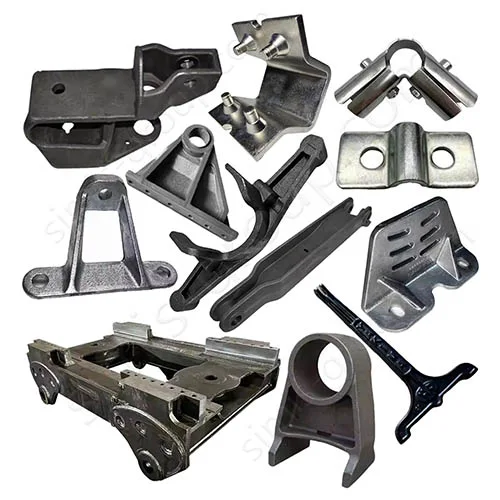
SIMIS focuses on custom metal component manufacturing from customer-controlled designs, rather than selling universal replacement couplers off the shelf. An inquiry may cover a steel casting, a forged component or a casting with selected CNC-finished surfaces. Because these components are safety-critical, the approved drawing, material standard, manufacturing route and product qualification status must be established by the responsible railway OEM or design authority.
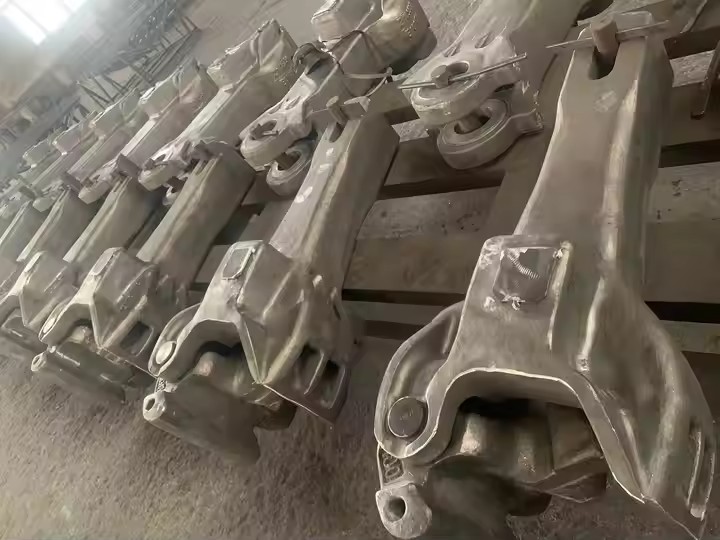
Coupler Body, Knuckle, Yoke and Pin: Different Manufacturing Requirements
The requested part name should be matched to its role in the coupling arrangement before selecting a manufacturing process. The table below shows the engineering information commonly reviewed during an OEM quotation, not a universal process specification.
| Component | Function and loading | Manufacturing and drawing review |
|---|---|---|
| Coupler body / head | Houses the knuckle and locking components; transmits longitudinal forces through the coupler shank. | Approved cast-steel grade and shape, throat/knuckle interfaces, shank or tail connection, critical sections and specified examinations. |
| Knuckle | Movable locking member with highly loaded pulling and bearing surfaces. | Specified steel grade and approved casting or other route, nose profile, pivot-hole position, pulling-face geometry, wear allowances and fatigue-related requirements. |
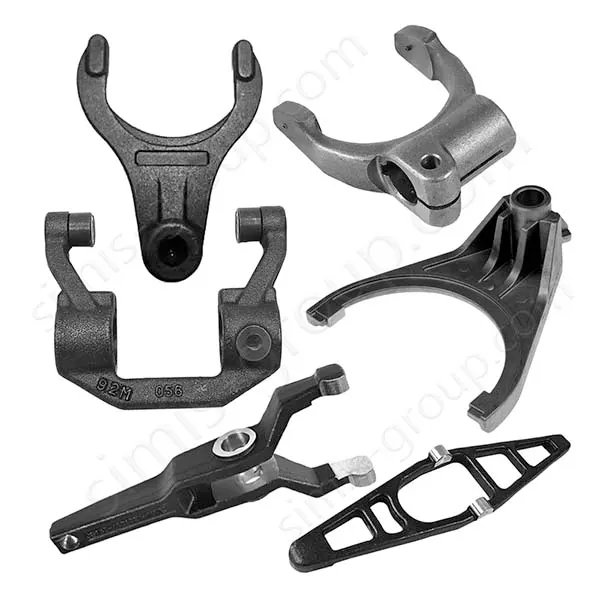
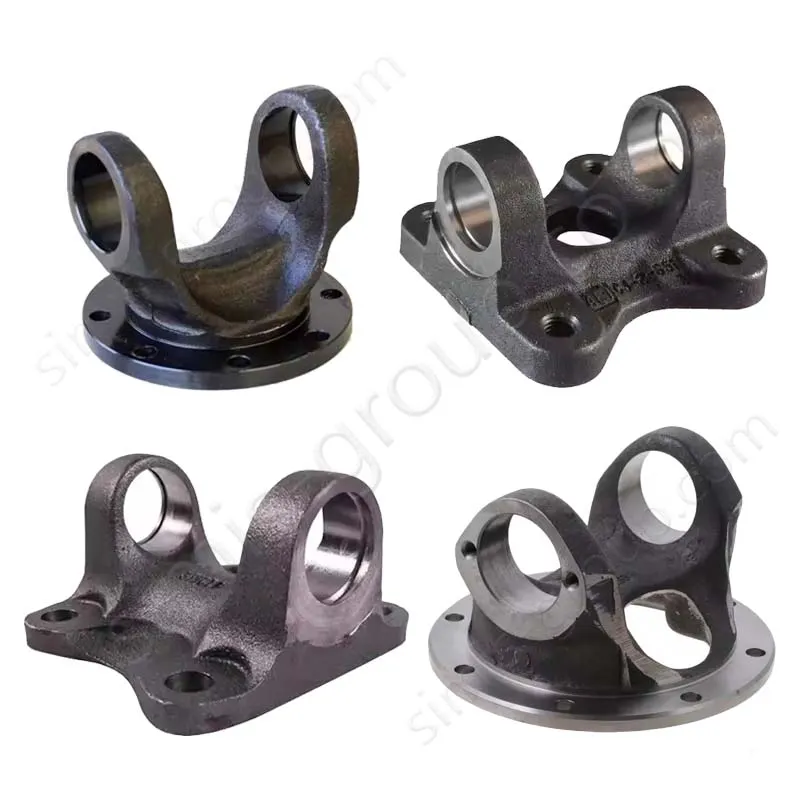
| Coupler yoke | Links the coupler shank to the draft-gear arrangement and transmits load within the draft pocket. | Type-specific yoke geometry, draft-gear contact surfaces, openings, connections, casting soundness and qualification scope. |
| Knuckle pin and connecting parts | Locate moving members or connect mating components. | Approved steel material, shaft diameter, straightness, end features, fits, surface condition and any required mechanical tests. |
The knuckle and coupler-head interfaces usually require especially careful control of the approved profile and functional clearances. In a freight coupler, the locking mechanism is integral to the assembly, but supplying an individual metal part does not verify the operation of the complete coupling system.
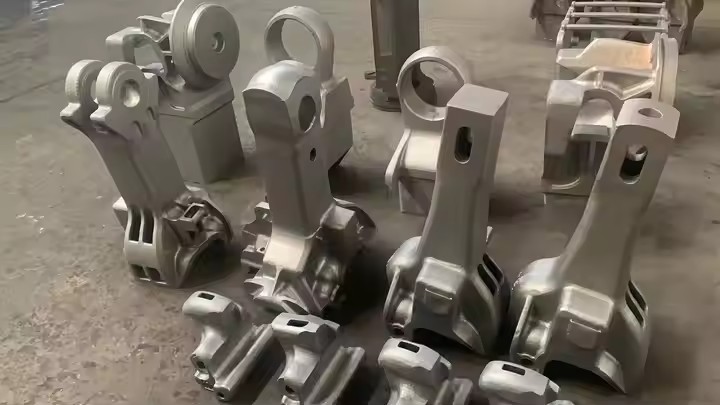
Steel Casting, Forging and CNC Machining for Coupler Components
Steel Sand Casting for Complex Coupler Bodies and Knuckles
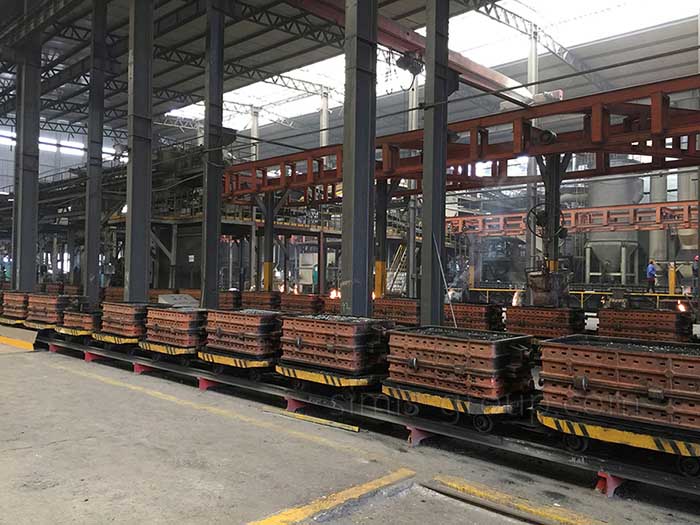
Sand casting is a relevant manufacturing method for complex steel coupler components when permitted by the governing design. A foundry process review addresses pattern allowances, molding and core requirements, gating and feeding, section transitions, shrinkage risk, local stress concentrations and subsequent machining allowances. The goal is to propose a controlled production route; even a carefully designed casting cannot be described as automatically free of discontinuities without the specified inspection and acceptance evidence.
For approved coupler and yoke castings, technical review must also consider the steel grade, allowed repairs, heat-treated condition and traceability requirements. SIMIS provides information about general steel casting manufacturing capabilities, but part-specific capacity and any railway approval requirements must be confirmed against the purchase specification.
Forging for Selected Pins and Approved Connector Designs
Closed-die forging or open-die forging may be evaluated for selected steel pins, connecting pieces or specified coupler components. Forging is not a blanket requirement for all knuckles: whether a part may be forged instead of cast must be determined by the authorized design and its standard. Tooling cost, material condition, projected quantity and final-machining features also affect process selection.
Machining Functional Features to the Approved Drawing
CNC machining may be used on designated holes, seating surfaces, connection interfaces and datums. For a knuckle, a critical pivot-hole or contact profile can matter more than a cosmetic surface. Machining plans should reference required profile gauges, datum systems and inspection methods where specified. Not every as-cast surface requires CNC finishing, and no single universal tolerance can be promised for all coupler sizes and designs.
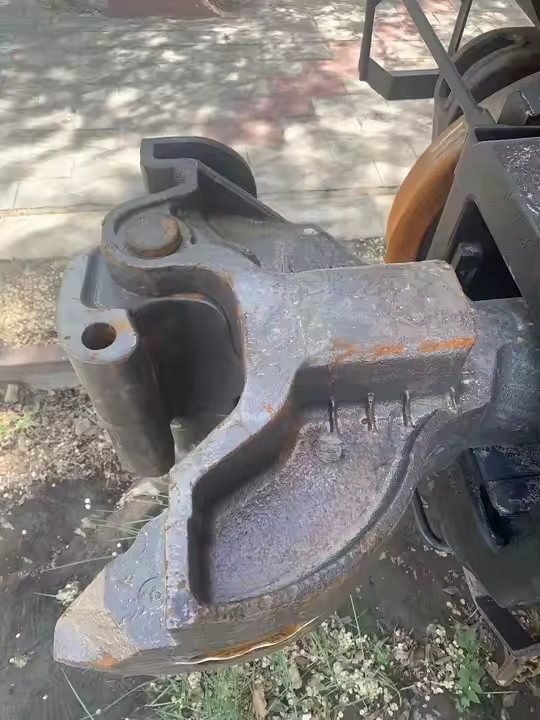
Steel Grades, Load Conditions and Wear Considerations
Railway coupler components can experience repeated tension-compression cycles, coupling impacts, local contact stresses and outdoor exposure. For safety-critical load-bearing parts, an approved cast-steel or forged-steel specification is more important than a generic material label such as “high-strength alloy steel.” The project documents should define relevant chemical composition, mechanical properties, material condition, impact or fatigue requirements and the procedures used to demonstrate compliance.
Carbon steel and alloy steel grades may be considered according to the design. A generic AISI designation, such as 4140 for a particular pin, should never be taken as authorization to replace the material on an approved railway drawing. Likewise, although ductile iron may appear in other rail equipment, it should not be presented as a generally interchangeable material for an approved, load-bearing freight knuckle, coupler body or yoke.
Draft and buff loads: identify the approved load cases and associated component test requirements, rather than assuming all parts experience the same stresses.
Impact and low-temperature performance: establish required material properties and test temperatures where called for by the specification.
Contact and wear: define functional surfaces, wear limits or gauges and acceptable post-processing only for the particular design.
Material condition: specify the applicable heat-treatment condition and records without imposing one procedure on every steel component.
Change control: do not change geometry, alloy, production process or critical tests without the proper design approval.
Critical Interfaces and Railway Inspection Requirements
A drawing-based coupler project should have an agreed inspection and documentation plan. The relevant features depend on whether SIMIS is supplying a knuckle, coupler body, yoke or another metal component. Testing for one part does not by itself establish conformity of the complete coupler and draft-gear assembly.
| Inspection or documentation topic | What should be defined in the purchase specification |
|---|---|
| Functional dimensions | Knuckle profile, pivot hole, lock interface, coupler-body throat, yoke connection, permissible clearances and any required gauges. |
| Material records | Heat identification, chemical and mechanical test records, specified material condition and traceability to the supplied items. |
| Casting examination | Visual assessment and any prescribed magnetic-particle, ultrasonic or other NDT methods, locations, extent and acceptance criteria. |
| Component qualification | Relevant static, fatigue or other type tests when applicable; identify the responsible laboratory, approval process and acceptance records. |
| Repair and acceptance | Any permitted repair procedures, dimensional rework, retesting, documentation and customer approval before shipment. |
For projects governed by the Association of American Railroads, the applicable documents may include AAR M-201 (steel castings), M-205 (coupler-yoke test requirements), M-211 (foundry and product approval requirements for specified coupler parts), M-216 (fatigue testing of Type E and F knuckles) and M-220 (casting-component nondestructive testing requirements). They cover different subjects and cannot be treated as one interchangeable “AAR certification.” The buyer should confirm the applicable edition, amendments and approval requirements before production.
If the customer specifies low-temperature impact tests, ultrasonic examination, magnetic-particle inspection or other checks, their test procedures and acceptance limits should be agreed explicitly. A nondestructive test evaluates indications within the capability of its method; it does not establish an absolute absence of all defects or guarantee a component’s fatigue life.
Railway OEM Applications and Related Components
Knuckle couplers are associated with particular freight rolling-stock coupling systems and their approved components. Other passenger or high-speed trains may use substantially different coupling arrangements and qualification requirements, so a freight-style knuckle should not be advertised as a universal fit for all railway vehicles. Customers should identify the intended vehicle, coupler type, mating component and relevant standard at the outset.
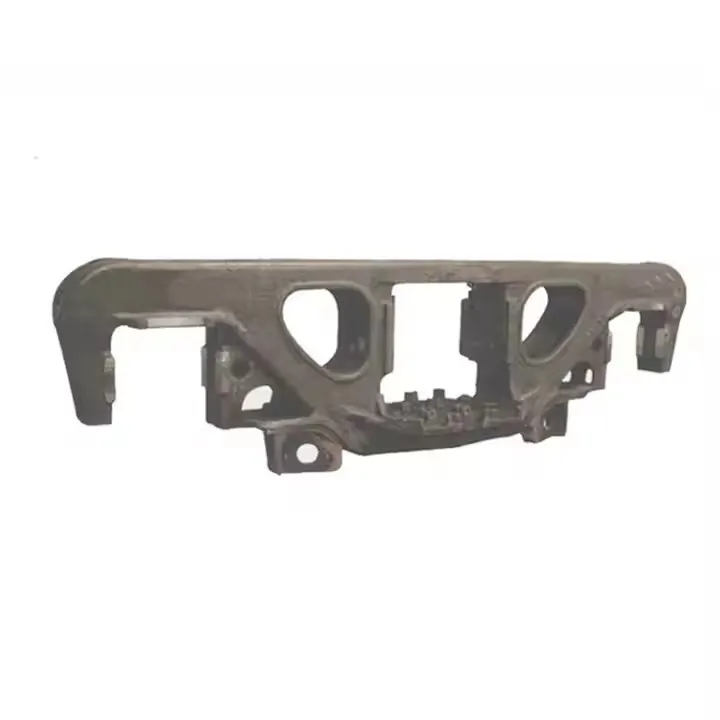
For related metalwork, explore SIMIS rail and train OEM components, including railway bogie side frames and railway bogie bolsters. Those are separate structural parts with their own load paths and acceptance rules. Each is quoted to its specific drawing rather than grouped under the same coupler performance claim.
Request a Custom Railway Knuckle Coupler Manufacturing Quote
SIMIS can review custom coupler-related metal-part inquiries when the customer supplies enough engineering information to define the manufacturing responsibility. Our initial assessment focuses on the feasibility of the specified casting, forging and machining operations, the applicable manufacturing envelope, tooling needs and the required documentation.
1. Identify the exact component: coupler body, knuckle, yoke, pin or other specified metal part; include the model, part number and drawing revision.
2. Provide approved engineering files: 2D drawings with datums, tolerances, profiles and any matching 3D models or master gauges.
3. Define specifications: steel grade, applicable railway standards and editions, approved manufacturing route, inspection plan and any product approval obligations.
4. Confirm order details: sample or batch quantity, delivery destination, inspection documents, traceability, packaging and target schedule.
Please contact SIMIS or send your drawings and requirements to info@simis-group.com to request a technical review and OEM quotation. Any railway product qualification, foundry approval, system testing or service authorization must be verified and explicitly agreed; it is not implied by this page.