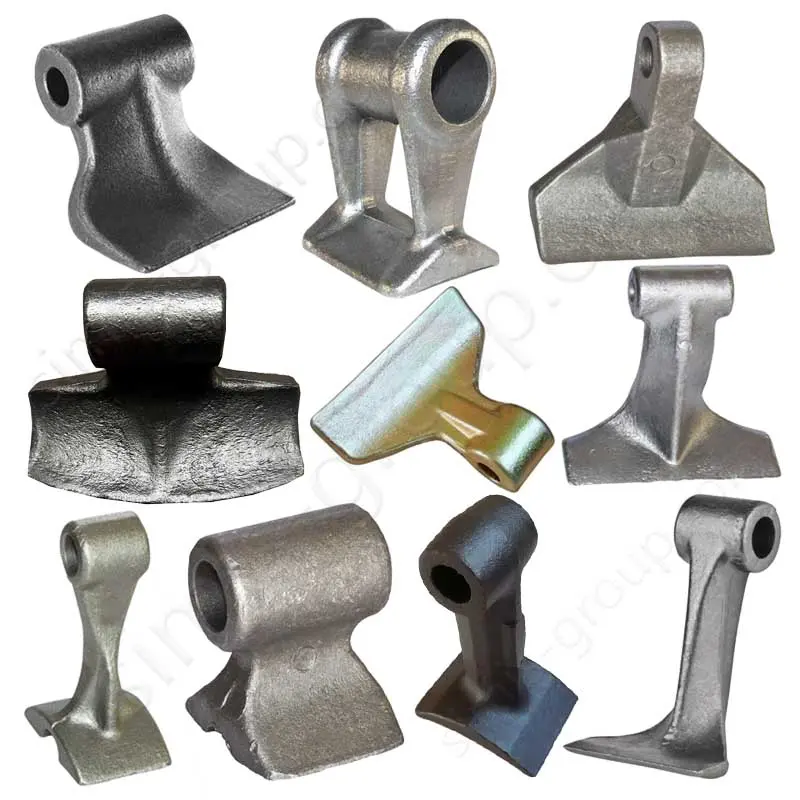
Custom Plow Body Manufacturer
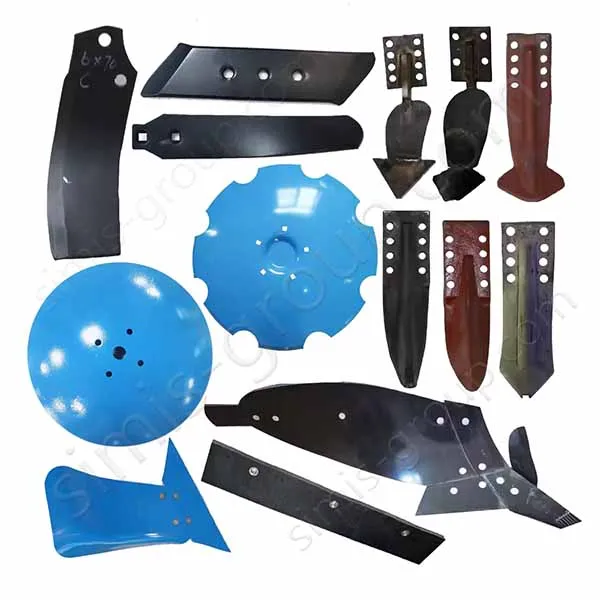
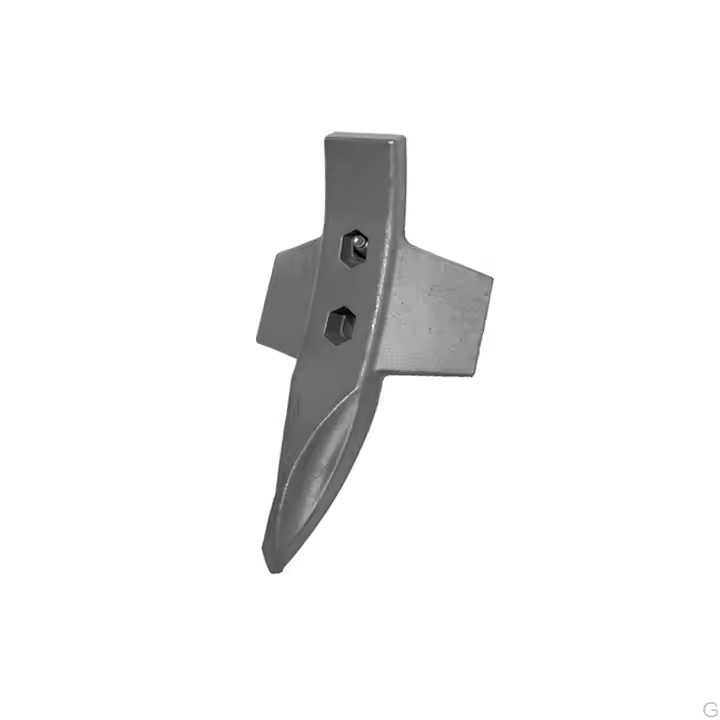
Plow Body

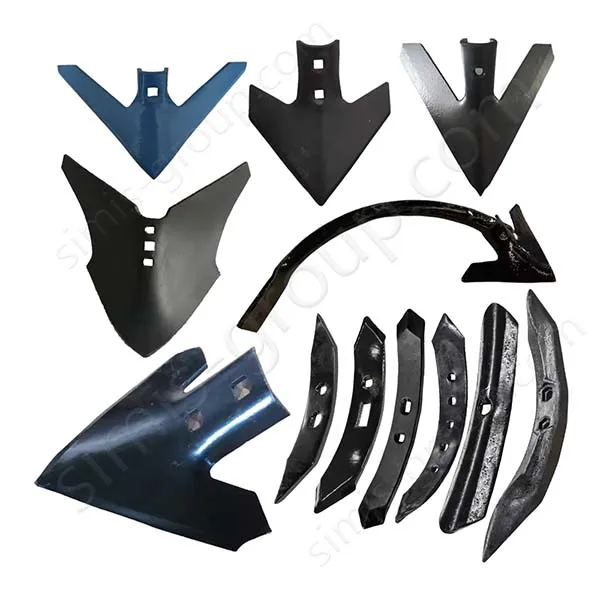
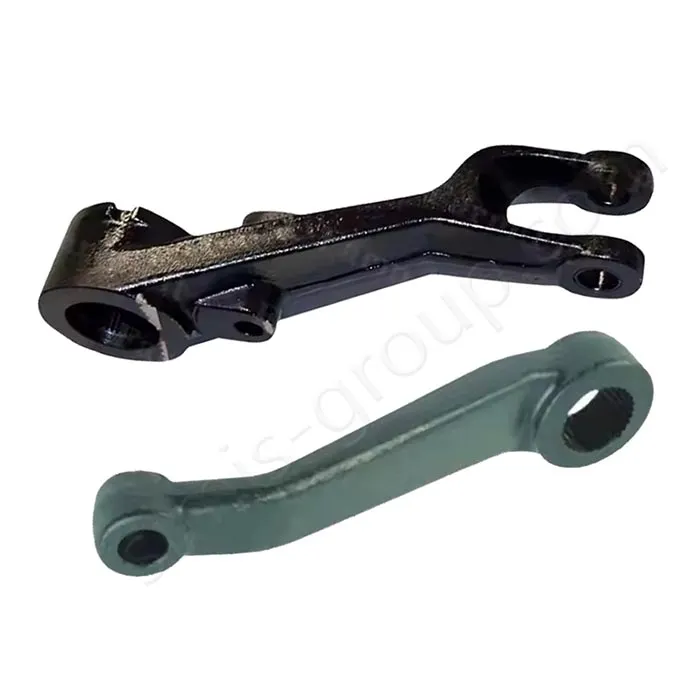
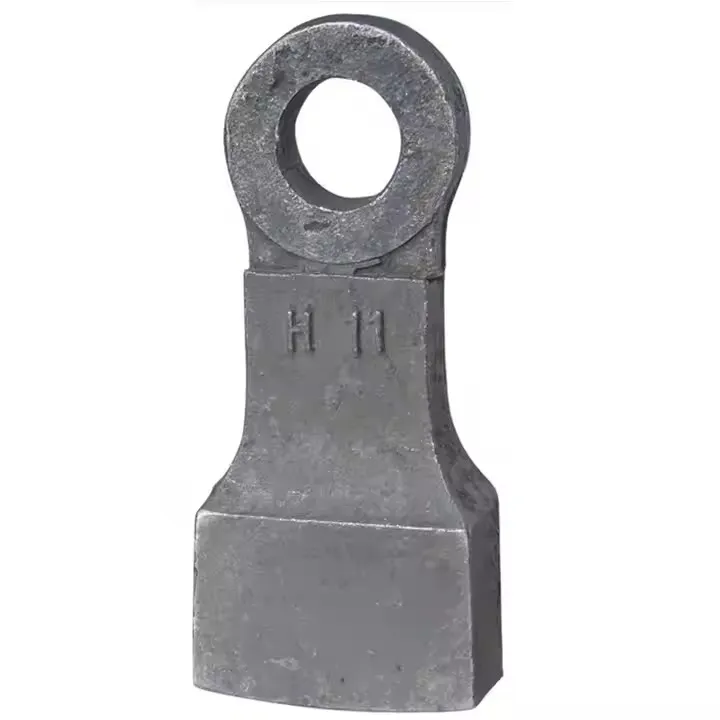
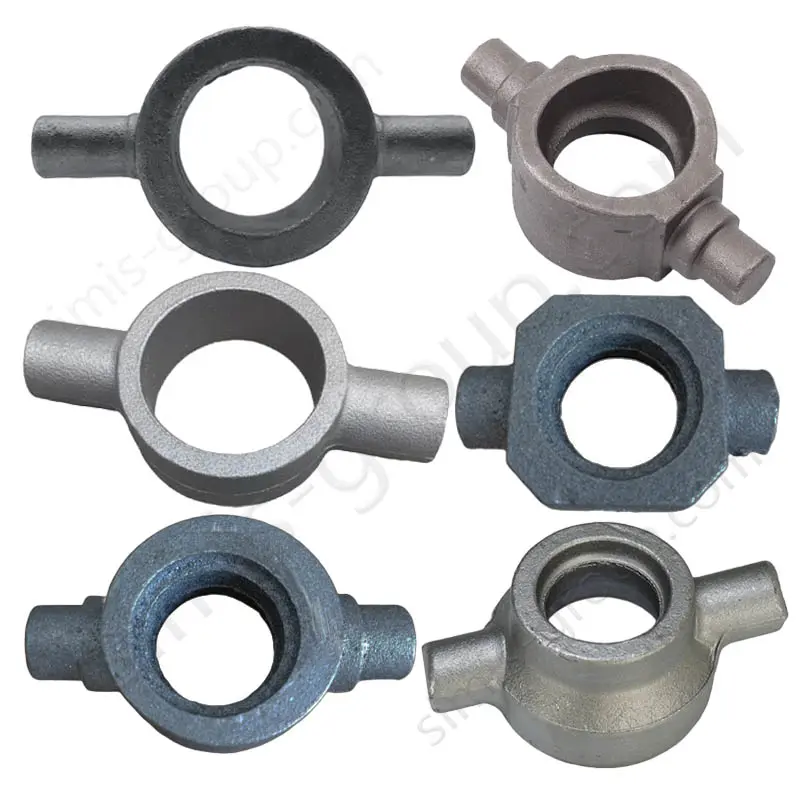
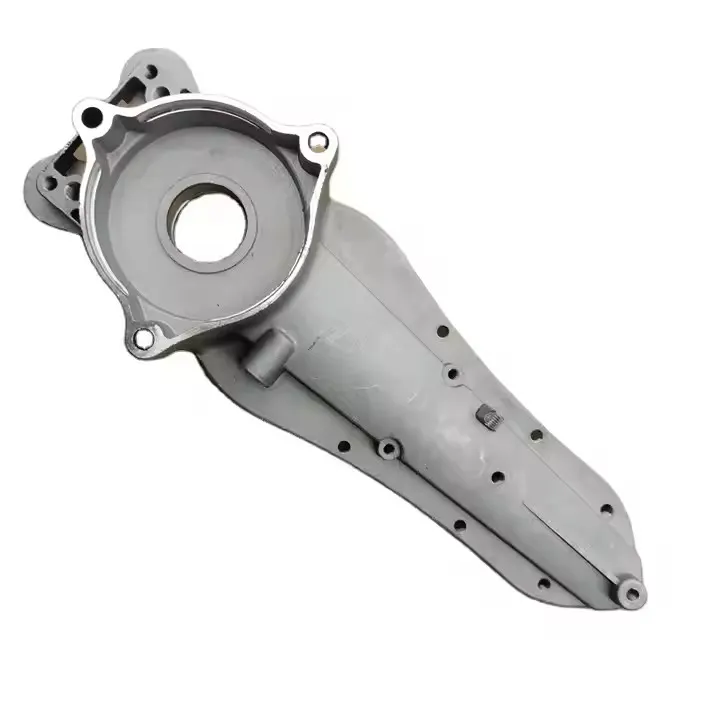
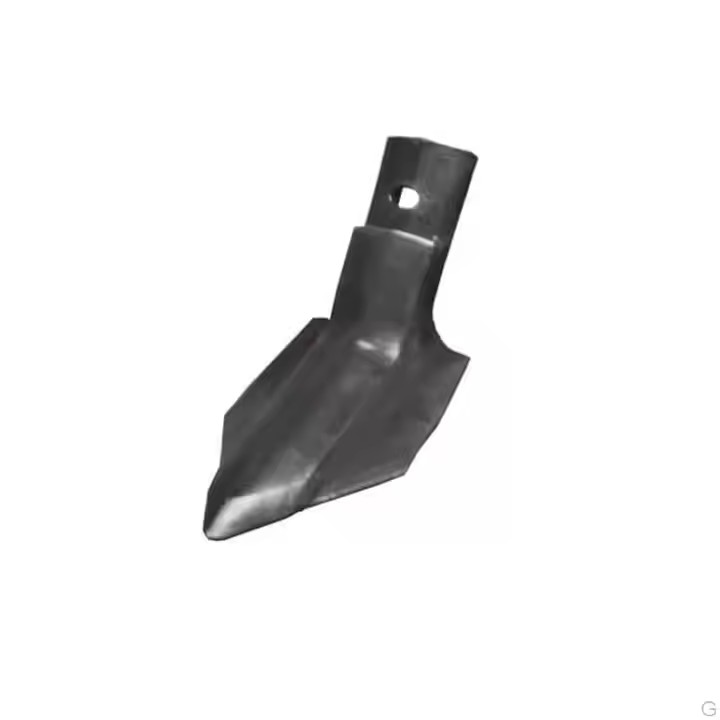
China Simis Company specializes in the manufacturing of heavy-duty Plow Body Components (such as moldboards, shares, cutter, frogs and Furrow elements) for agricultural tillage, snow removal, and construction applications. The Plow Body is a ground-engaging tool subjected to continuous, severe abrasive wear from soil, rocks, and aggregate, alongside extreme impact and high cyclical fatigue loading.
To ensure long service life and resistance to fracturing, we utilize high-integrity Sand Casting with wear-resistant Alloy Steel and Ductile Iron for the main structural parts. Where supreme structural integrity and surface hardness are required, Closed Die Forging or specialized Open-Die Forging is employed. All Plow Bodies undergo mandatory post-processing, including heat treatment for hardness and Precision CNC Machining for mounting interfaces and critical geometry.
What Are the Classifications of Plow Body Components?
Since the Plow Body is a system of parts, successful performance depends on tailoring the manufacturing process and material to the unique wear and stress profile of each sub-component.
| Sub-Component | Primary Function / Wear Type | Recommended Process | Material Requirement / Examples |
| Plow Point / Chisel | Initial Penetration, Extreme Abrasion. Must resist sliding wear and moderate impact. | Sand Casting / Shell Mold Casting / Cladding | High Chromium White Iron (for maximum hardness HRC 60+) or High Manganese Steel (for work-hardening toughness). |
| Plow Share / Blade | Cutting, High Abrasion, Heavy Structural Stress. Requires toughness to resist breakage. | Closed Die Forging / Sand Casting | High Wear Alloy Steel (Quenched & Tempered AISI/SAE series) to balance strength and hardness. |
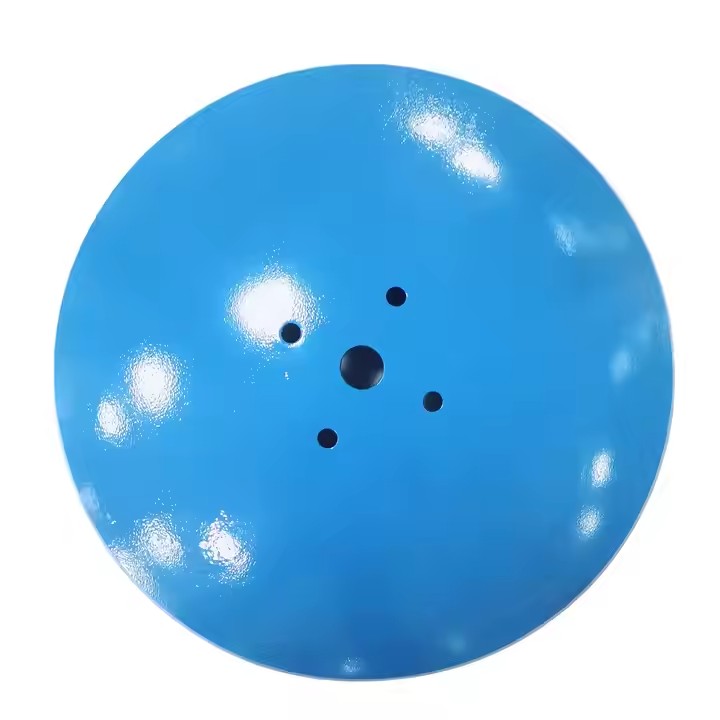
| Moldboard / Furrow | Soil Inversion, Sliding Friction, Structural Rigidity. Requires smooth surface and uniform hardness. | Sand Casting / Forming | Abrasion-Resistant Alloy Steel or Ductile Iron with specialized surface treatment. |
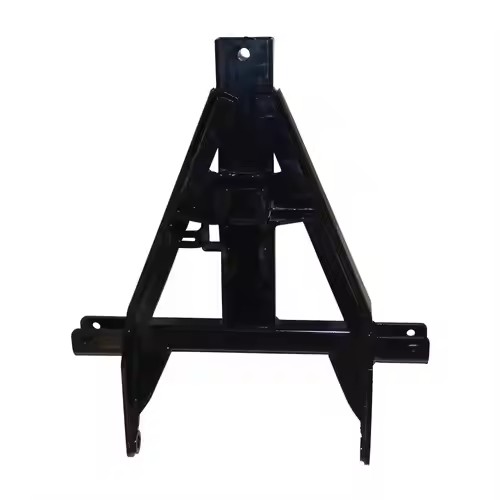
| Frame / Beam | Supporting Structure, High Fatigue and Static Stress. | Forging / Sand Casting | Ductile Iron or High Strength Low Alloy (HSLA) Steel (for structural stability). |
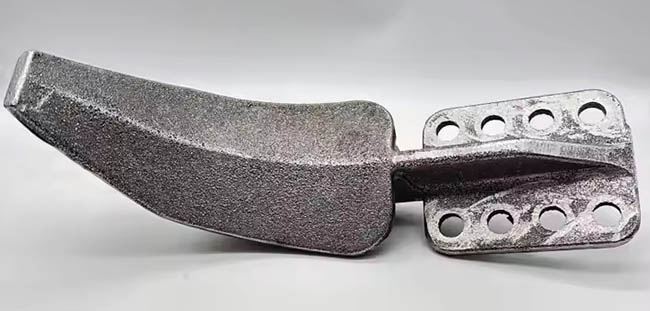
What Manufacturing Processes Are Used for Plow Body Parts?
The appropriate process is selected based on the component's function—forging for ultimate structural strength, and casting for achieving complex wear profiles and utilizing specialized alloys. We mainly adopt Sand Casting, Closed Die Forging, Open-die Forging and Precision CNC Machining to manufacture high-wear-resistant plow body components.
| Manufacturing Process | Applicable Material Range | Application Focus for Plow Bodies | Core Advantage |
| Sand Casting | Ductile Iron, Carbon Steel, Alloy Steel | Primary method for complex structural parts of the Plow Body (frogs, moldboards) requiring high wear resistance and geometry retention. | Cost-effective for large, thick-sectioned components with good design flexibility. |
| Closed Die Forging | Carbon Steel, Alloy Steel | High-impact areas like plow shares or coulters that demand maximum toughness, structural integrity, and superior grain flow. | Achieves optimal internal grain structure, maximizing impact strength and fracture resistance. |
| Open-die Forging | Alloy Steel | Very large, specialized Plow Body components for heavy-duty construction or industrial earthmoving equipment. | Capable of forming extremely large, high-strength parts. |
| Precision CNC Machining | All Alloys | Mandatory finishing for mounting interfaces, bolt patterns, and surface preparation for specialized hardfacing or heat treatment. | Guarantees critical alignment to the equipment frame and dimensional interchangeability. |
How to Select Material Types for Plow Bodies?
Plow components require a careful balance: the point needs maximum hardness for abrasion resistance, while the frame/share needs high toughness to resist fracture upon impact. We select Alloy Steel, Carbon Steel and Ductile Iron according to the different performance requirements of plow body components.
| Material Type | Core Performance Attributes | Primary Application Scenarios for Plow Bodies |
| Alloy Steel | Exceptional strength, toughness, and wear resistance when properly heat-treated (e.g., high-carbon or Mn Steels). | High-impact shares, tines, and critical structural areas of the Plow Body. |
| Carbon Steel | Good baseline strength and toughness; suitable for moderate-duty service. | Standard-duty plow parts and non-critical structural frames. |
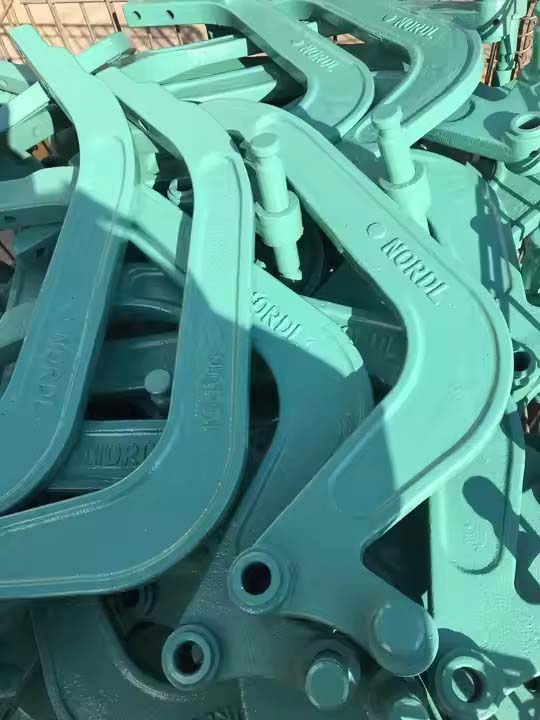
| Ductile Iron | Good castability, acceptable wear resistance, and shock absorption at a lower cost than steel. | Structural Plow Body components (frogs, frames) and certain lower-stress shares. |
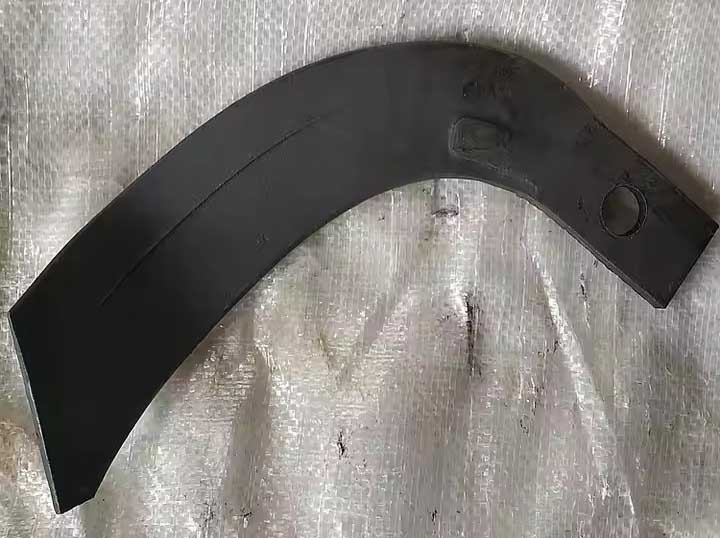
What Precision Fitment and Quality Assurance Measures Are Applied to Plow Bodies?
The accuracy of the assembled plow body dictates soil penetration efficiency and minimizes drag on the machinery. Our core measures include dimensional precision control, profile accuracy management, metallurgical verification and Non-Destructive Testing (NDT).
·Dimensional Precision:
Machining critical mounting surfaces and bolt holes to ensure precise fitment to the tractor or frame, eliminating movement that can lead to rapid fatigue failure.
·Profile Accuracy:
Casting and forging processes are strictly controlled to maintain the designed working angle and profile of the point and share, ensuring optimal ground penetration and soil inversion efficiency.
·Metallurgical Verification:
Rigorous testing is performed to confirm the correct microstructure and hardness ($\text{HRC}$ value) is achieved after heat treatment, especially for high-chromium irons and quenched alloy steels.
·Non-Destructive Testing (NDT):
Utilizing Magnetic Particle Inspection (MPI) on high-stress forged parts and Ultrasonic Testing (UT) on thick castings to verify internal integrity and ensure freedom from cracks or defects that could lead to sudden breakage under impact.
What Are the Key Applications for Simis Custom Plow Bodies?
Our custom-manufactured components are vital for performance and reliability in ground-engaging machinery. They are widely applied in agriculture, construction & earthmoving, mining and snow removal sectors.
| Application Sector | Typical Component | Core Performance Needs | Simis Material/Process Focus |
| Agriculture | Moldboards, Plow Shares, Subsoiler Shanks, Tines. | Extreme Abrasion, High Fatigue from Continuous Tillage, Impact Resistance. | Sand Cast Alloy/Carbon Steel, Forged Alloy Steel. |
| Construction & Earthmoving | Excavator Bucket Teeth Adapters, Dozer Blades, Grader End Bits. | Maximum Impact Toughness, High Wear Life in Abrasive Soils/Rock. | Forged Alloy Steel, Sand Cast Alloy Steel. |
| Mining | Ground Engaging Tools (GET), Scraper Blades. | Extreme Abrasive Wear from Rock and Minerals, Structural Integrity. | Sand Cast Alloy Steel, Forged Alloy Steel. |
| Snow Removal | Snow Plow Cutting Edges, Wing Plow Frames. | High Impact Resistance at Low Temperatures, Abrasion Resistance against Pavement. | Forged Alloy Steel, Ductile Iron (Sand Cast). |
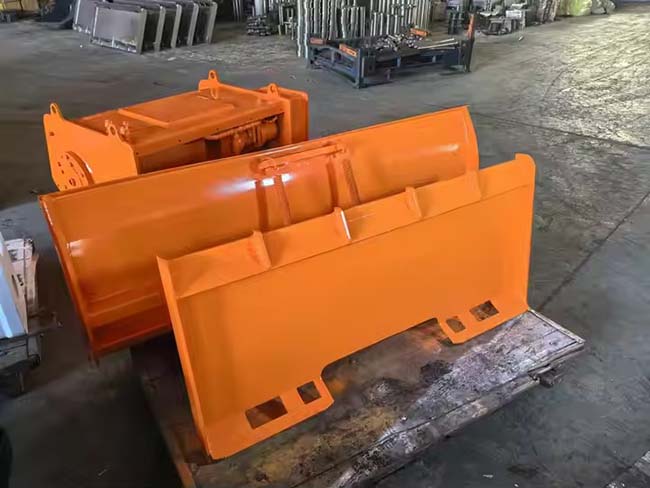
What Are the Advantages of Simis OEM Custom Plow Bodies?
Partnering with Simis for custom plow body components ensures extended life, reduced downtime, and better operating efficiency. Our core advantages include optimal wear solution, extended wear life and integrated supply chain service.
·Optimal Wear Solution:
We consult on the precise application (high impact vs. high abrasion) to select the optimal material and process—either the toughness of forging or the superior hardness of specialty Cast Irons.
·Extended Wear Life:
We apply specialized heat treatments and, where specified, integrated cladding to significantly extend the component's service life, reducing operational maintenance costs.
·Integrated Supply Chain:
We offer a single source responsible for specialized alloy melting, forming (forging/casting), essential heat treatment, and precise finish machining of mounting interfaces.
How to Get a Quote for Custom Plow Bodies?
Simis Company is your expert global partner for custom forging or casting Plow Body components, engineered for maximum abrasion resistance, high impact toughness, and extended service life.
Please submit your 2D technical drawings, CAD models, required material and process (e.g., Sand Cast Manganese Steel or Forged Boron Steel Share), critical hardness specification (HRC value), and expected annual volume to our engineering department for a consultation and detailed quotation.