Custom Flail Mower Hammer Blade Manufacturer
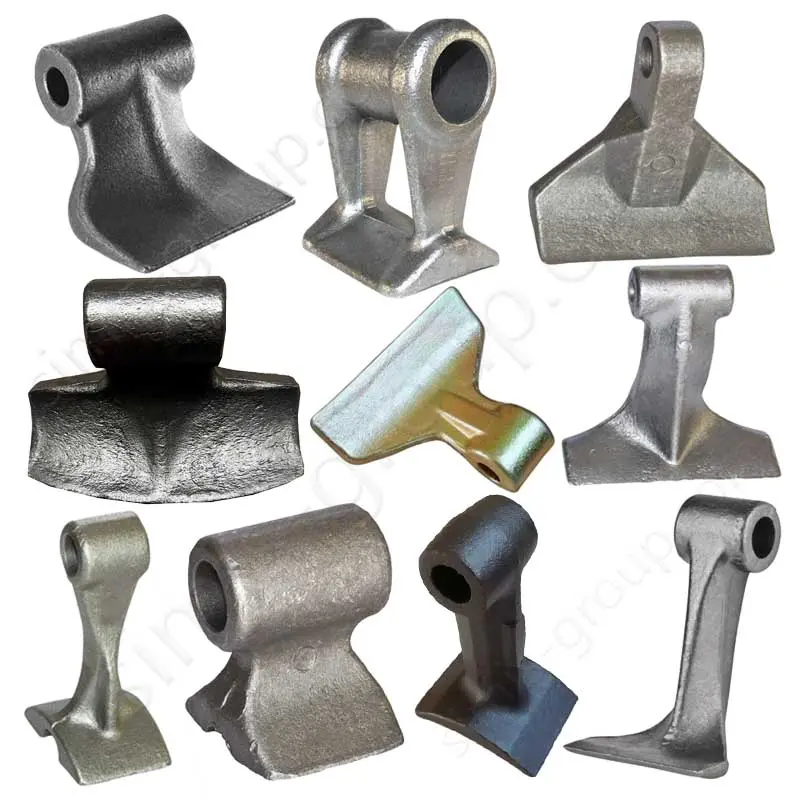


Flail Mower Hammer Blade

Frequently Asked Questions About Custom Flail Mower Hammer Blades
1. What kinds of flail mower hammer blades can SIMIS manufacture?
SIMIS manufactures OEM flail mower hammer blades, forged flail hammers, wide-cut hammer flails, offset hammers, mounting-eye components and selected mulcher cutting parts to customer drawings. These replaceable metal blades pivot from pins on a mower rotor or related carrier. Manufacturing options include suitable closed-die steel forging, steel plate forming and customer-approved casting for specialized wear parts. SIMIS supplies the specified components, not a complete flail mower or certified rotor assembly as a standard product.
2. Are forged alloy steel hammer flails available?
Yes. Closed-die hot forging is a principal SIMIS process for suitable one-piece flail mower hammers. The forging dies form the hammer body, mounting eye and cutting profile from an appropriate wrought steel blank. Customers may specify grades such as AISI 4140, 42CrMo4 or other compatible carbon, alloy and boron steels. The grade and supplied condition depend on the intended machine and approved drawings; forging alone does not establish one universal cutting-edge hardness or working life.
3. Can hammer blades be cast rather than forged?
Casting may be suitable for selected special-purpose wear components or heavy industrial shredder parts where the customer has approved the casting grade and use. SIMIS provides sand, shell mold and investment casting for compatible metal shapes. Brittle high-chromium white cast iron is generally not a direct replacement for a swinging mower hammer exposed to stones and sudden impact. Cast steel, ductile iron and other alloys must be evaluated for each component instead of being treated as automatically interchangeable with forged steel.
4. How do hammer flails differ from Y-shaped mower blades?
A hammer flail normally has a relatively heavy cutting body with a mounting eye and a broad striking or cutting face; many models pivot on a rotor pin. A Y-shaped flail uses one or two narrower blades, frequently formed from suitable steel strip or plate. SIMIS can supply applicable forged hammer bodies and formed metal blade parts to OEM drawings. These products should not be assumed to share the same weight, pin size, installation arrangement or cutting application.
5. What is needed to quote a custom flail mower hammer blade?
Please send 2D drawings or available 3D CAD models, the blade style, required material, principal dimensions and estimated quantity. Particularly useful features include mounting-hole diameter, eye width, cutting-edge dimensions and the blade weight or weight tolerance if specified. Identify whether the blade is for agricultural mowing, roadside maintenance, orchard work or forestry mulching. SIMIS quotes the agreed forged, formed or cast metal part according to the customer purchase specification. Email info@simis-group.com.
OEM Custom Flail Mower Hammer Blade Manufacturer
Custom flail mower hammer blades are replaceable cutting and striking tools mounted around the rotor of suitable flail mowers and mulchers. During operation the rotor turns and the swinging hammers strike grass, brush or other vegetation. Their shape, mass and attachment determine compatibility with the host machine, so hammer flails are manufactured to the equipment manufacturer's specifications rather than one universal fit.
SIMIS manufactures custom forged steel flail hammers, alloy steel mower hammer blades, heavy-duty mulcher cutting components, formed Y-blades and selected wear-resistant metal parts. Our OEM approach is based on customer-provided drawings, approved material grades and agreed manufacturing requirements.
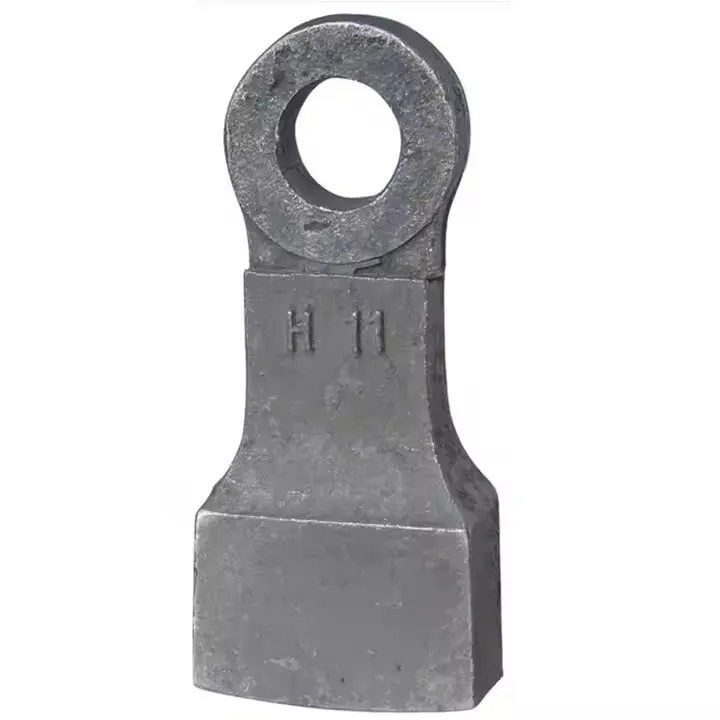
The hammer body normally includes a mounting eye or sleeve region and a cutting or striking end. Common design variations include broad-face hammers, offset hammer bodies, curved profiles and reinforced mounting sections. Blade geometry differs between agricultural, orchard, roadside and forestry equipment.
For suitable one-piece steel hammer flails, hot closed-die forging is a central manufacturing route. It forms a coherent steel component from wrought stock and permits distinct mounting and cutting features. Some flat or Y-shaped blades are better suited to cut-and-formed steel plate; some specialized abrasive industrial applications use separate wear castings.
SIMIS supplies individual mower blade components or specified matched sets according to the purchase order. We do not present a single hammer as a complete mower, and we do not infer a rotor speed rating, mechanical certification or guaranteed service life from its appearance.

Types of Flail Mower Hammer Blades and Mulcher Cutting Components
A hammer flail, Y-blade and crusher hammer can all appear as cutting or impact tools, but they are not the same product. SIMIS manufactures the ordered blade geometry for the relevant equipment and mounting arrangement.
| Component Type | Typical Construction | Potential Equipment |
|---|---|---|
| Forged Hammer Flails | One-piece steel hammer with mounting eye and broad cutting or striking face. | Agricultural flail mowers and roadside mowers. |
| Offset or Curved Hammer Blades | Forged hammer body with customer-defined offset, swept edge or curved profile. | Orchard mowers and specialized vegetation-control equipment. |
| Heavy Mulcher Hammers | Substantial steel hammer with reinforced body and approved mounting geometry. | Forestry mulchers and heavy vegetation-processing machines. |
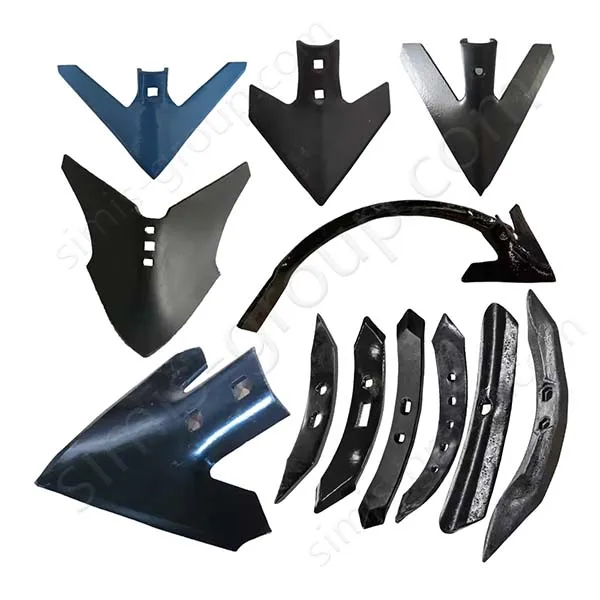
| Y-Shaped Flail Knives | Narrow steel blades or paired knife components, often cut and formed from suitable strip or plate. | Grass cutting and lighter vegetation management. |
| Mounting-Eye and Hanger Parts | Hammer eyes, spacers, bushes or other specified steel connection pieces. | Rotor mounting and service replacement assemblies. |
| Special Wear Tips or Cast Attachments | Customer-approved cast wear parts, separate from ordinary hinged mower hammers. | Selected industrial shredders and material-processing machinery. |
Forged Heavy-Duty Hammer Flails
Forged hammer flails are common replacement cutting components for suitable mowers where robust steel bodies and defined mounting eyes are required. Their striking face and the eye section are formed to the OEM profile, then finished only as specified in the purchase documents. The photos on this page show several actual hammer-shaped blade configurations.

Broad-Face Hammers, Curved Blades and Y-Knives
Broad-face hammers provide a different cutting profile from narrow Y-shaped flail knives. Curved or offset hammers may require dedicated die geometry, while Y-blades can be produced from suitable steel strip or plate. They should not be treated as interchangeable solely because their mounting holes have similar dimensions.

Closed-Die Steel Forging and Casting Processes for Mower Hammer Blades
Closed-die forging is the main SIMIS manufacturing process for suitable alloy steel mower hammers. Casting and steel plate forming are additional options for specific shapes and duties. The process must match the actual blade construction, material and permitted operating conditions.
| Manufacturing Process | Appropriate Parts | Manufacturing Role |
|---|---|---|
| Hot Closed-Die Steel Forging | Steel hammer flails, offset hammers and integrated mounting-eye bodies. | Heated wrought steel is formed between dies to produce the main blade shape. |
| Cutting and Forming Steel Plate | Y-shaped knives, flat flails and selected wear-steel blades. | Plate or strip is cut and formed to the approved blade outline. |
| Steel Sand Casting | Approved cast steel wear components or larger special-purpose shredder parts. | Sand molds form compatible metal shapes with specified geometry. |
| Shell Mold Casting | Selected repeat-production cast steel or iron wear parts. | Resin-bonded sand shells are used for suitable casting sizes. |
| Investment Casting | Smaller detailed metal attachments and approved complex wear parts. | Lost-wax ceramic molds produce suitable near-net-shape castings. |
| Special Wear-Alloy Casting | Replaceable abrasion-contact parts where material suitability has been verified. | Grade-specific casting of high-chromium iron or other approved alloys; not a default route for swing hammers. |
Hot Closed-Die Forging for One-Piece Flail Hammers
During closed-die forging, a steel billet is heated and deformed in shaped dies. The forging process produces the main hammer body, eye region and broad cutting face. Appropriate wrought alloy steels can be selected for parts that must withstand repeated mechanical impacts, but final material performance remains dependent on the grade and agreed supply condition.
SIMIS provides closed-die forging and steel forging manufacturing for suitable customer-specific parts. The final mounting bore, edge finish and any required thermal processing are defined in the OEM technical documents.

Steel Plate Forming for Y-Blades and Flat Flails
Some mower knives have thin, flat or bent geometry that suits cutting and forming of suitable steel plate or strip rather than the heavier hammer-body forging process. SIMIS offers sheet metal fabrication for compatible steel parts. Material grade, plate thickness, bend geometry and mounting details are specified in the drawing.
Sand, Shell Mold and Investment Casting for Selected Wear Parts
Metal casting can produce customer-approved wear bodies and other specialized components with geometries unsuitable for straightforward forging. SIMIS offers sand casting, steel casting, shell mold casting and investment casting for suitable metal grades and part dimensions. These alternatives do not establish that a brittle wear casting is appropriate for a hinged high-speed mower blade.
For example, a high-chromium white iron tip may be useful in some abrasive industrial processing applications, but sudden stone impact and repeated swinging loads can make that alloy inappropriate for a conventional mower hammer. A crusher hammer is also distinct from a flail mower blade; SIMIS has a separate product category for custom crusher hammer heads.

Alloy Steel, Spring Steel and Wear-Resistant Materials for Flail Blades
Material choice should reflect the blade type and the approved customer specification. For many hinged hammer flails, forged carbon or alloy steel is a practical manufacturing family. Formed Y-blades may use suitable spring or boron steel grades. Specialized cast wear materials have narrower applications and should not be substituted for impact-loaded forged mower hammers without approval.
| Material Grade or Family | Typical Material Form | Suitable Product Considerations |
|---|---|---|
| AISI 4140 / 42CrMo4 | Wrought chromium-molybdenum alloy steel. | Suitable forged mower hammers and heavy-duty steel blade bodies, as specified. |
| AISI 1045 / C45 | Wrought medium-carbon steel. | Customer-defined forged hammer or connection components under suitable conditions. |
| 65Mn Spring Steel | Spring steel sheet, strip or other approved stock. | Selected cut-and-formed flail knives or spring-type blade components. |
| 30MnB5 or Similar Boron Steels | Customer-specified hardenable steel plate or forging stock. | Suitable wear-exposed blade parts where the grade and process are approved. |
| AR400 / AR500-Type Wear Plate | Supplier-defined abrasion-resistant plate products. | Certain fabricated blades, scrapers or wear plates; not a casting grade. |
| Cast Alloy Steel | Steel grades specified under casting product standards. | Selected cast wear bodies or special-purpose industrial cutters. |
| High-Chromium White Cast Iron | Abrasion-resistant cast iron with limited toughness in some conditions. | Special wear inserts or industrial crushing components; not default swing flails. |
| High-Manganese Cast Steel | Austenitic manganese steel casting family. | Certain impact-wear industrial crusher parts rather than routine flail mower blades. |
4140 and 42CrMo4 Forged Steel Hammer Blades
AISI 4140 and 42CrMo4 are related chromium-molybdenum alloy steel grades commonly used for suitable steel forgings. They have their own applicable product specifications and should not be treated as automatically identical in every purchasing document. For an OEM flail hammer, SIMIS manufactures the specified blade profile and material condition.
Carbon, Spring and Boron Steels for Other Flail Designs
Medium-carbon grades such as AISI 1045 or C45 can be considered for selected forged blade components. Spring steel such as 65Mn and approved boron steel grades may be useful for certain formed knives or wear-exposed blade parts. Not every steel suitable for a Y-blade is equally appropriate for a thick forged hammer.
High-Chromium Iron and Manganese Steel Are Specialized Cast Materials
High-chromium white iron emphasizes abrasion resistance but may be brittle under severe impact. High-manganese cast steel has different work-hardening characteristics and is often associated with specialized impact-wear machinery. Neither should be presented as a universal substitute for forged alloy steel on a mower rotor. Customers must approve any such casting for the actual part and operating duty.
Applications in Agricultural Mowing, Roadside Maintenance and Forestry
Agricultural Grass Cutting and Field Maintenance
Tractor-mounted flail mowers use replaceable hammer or knife components to cut grass, crop residue and other vegetation. The appropriate blade style depends on the rotor mounting, machine configuration and expected operating conditions. SIMIS supplies OEM hammer blades and related steel parts for agricultural machinery applications.
Roadside, Ditch and Municipal Vegetation Control
Roadside mowers operate near soil, stones and uneven ground. Suitable steel hammer flails and compatible mounting hardware must follow the equipment manufacturer's specification. Neither a forged blade nor a specified material grade alone establishes a universal impact rating or safe rotor operating speed.
Orchard, Vineyard and Mulching Equipment
Orchard and vineyard shredders use different hammer shapes and knife sets to manage grass, prunings and plant residue. Offset or curved hammer bodies may be required for particular machines. SIMIS produces the approved forged or formed component profile rather than assuming one standard blade fits every mulcher.
Forestry Mulchers and Specialized Industrial Shredders
Heavy forestry mulchers can use more substantial cutting hammers with different attachment systems from agricultural flail mowers. Industrial crushers and shredders may employ separate wear castings or detachable tips. SIMIS manufactures suitable metal components to drawings, while the selection of a cutting system and its operational limits belong to the equipment specification.
Custom Forged Mower Hammers and Cast Wear Parts to OEM Drawings
SIMIS supplies custom flail mower hammers and associated metal components in the material and manufacturing condition agreed with the buyer. The primary production route for compatible substantial steel hammers is closed-die forging. For different shapes, SIMIS can supply formed steel knives or selected customer-approved cast metal wear parts.
Available production scope may include raw forgings, blanks, finished blades and specified batches of matching components. Mounting eyes, pin fits, blade cutting profiles and any surface or thermal processing are produced to the customer drawing. Where a purchase order calls for blade mass or dimensional checks, the inspection criteria are agreed for that product.
A flail mower rotor contains multiple moving components, so the machine manufacturer remains responsible for the complete rotor arrangement, balancing strategy, installation compatibility and equipment safety. SIMIS does not claim that every individual blade is dynamically balanced, has a specific safety certification or will achieve a guaranteed fatigue life.
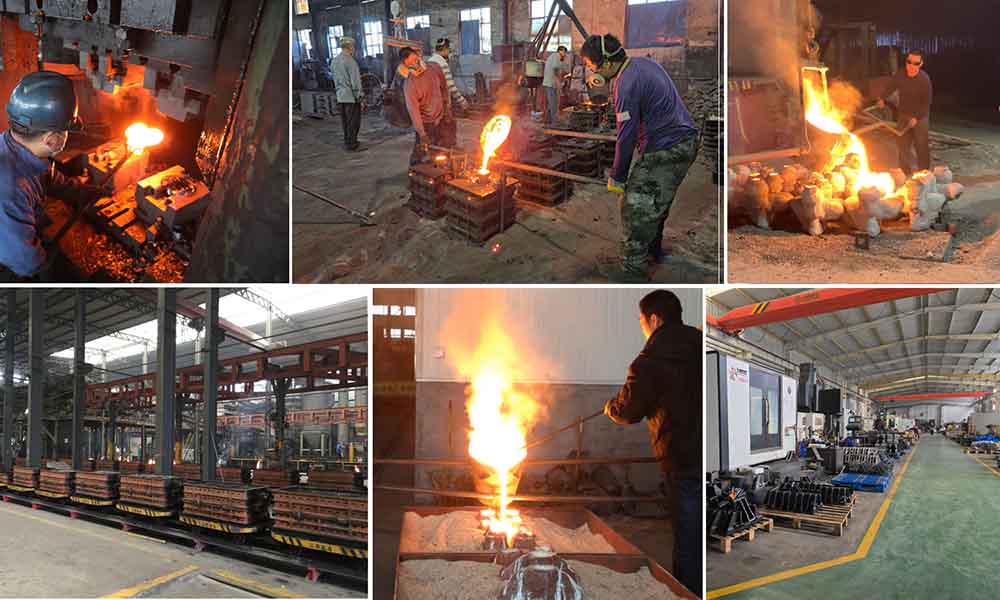
The following original production photographs show forging activity and a casting workshop. They illustrate SIMIS metal manufacturing operations rather than proving that every blade in the preceding product images is made by both processes.

Request a Quote for Custom Flail Mower Hammer Blades
SIMIS welcomes OEM inquiries for forged steel hammer flails, custom mower hammer blades, formed Y-knives, mounting parts and selected wear-resistant metal components. Quotations are based on customer drawings, agreed materials and the ordered supply condition.
Please provide the following five items where available:
Drawings: 2D technical drawings or available 3D CAD models of the blade or mounting component.
Part type: Forged hammer flail, offset hammer, Y-blade, mulcher tooth or another specified metal component.
Material grade: Specified carbon steel, alloy steel, spring steel, wear plate or approved casting grade.
Key dimensions: Overall length, cutting-edge width, thickness, mounting-eye bore, eye width and blade mass tolerance where specified.
Order details: Estimated quantity, mower or mulcher application and whether forged blanks, castings or finished blades are required.
Any additional finishing, material documentation or inspection requirements can be included in the customer technical files. SIMIS will quote the agreed metal component manufacturing scope.
Send your custom flail mower hammer blade drawings and OEM inquiry to: info@simis-group.com