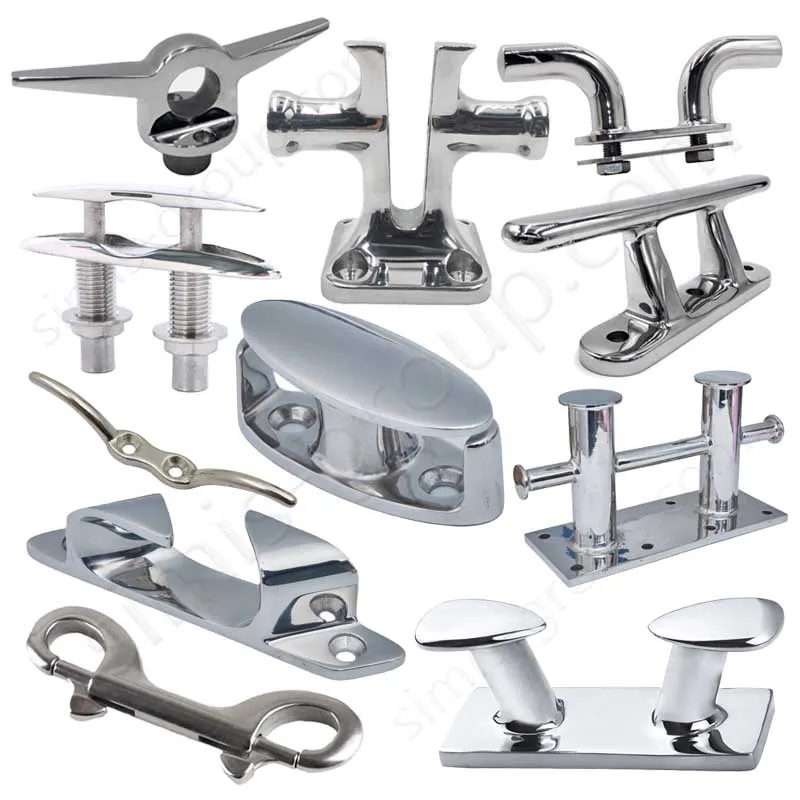
Custom Mooring Bollard Manufacturer
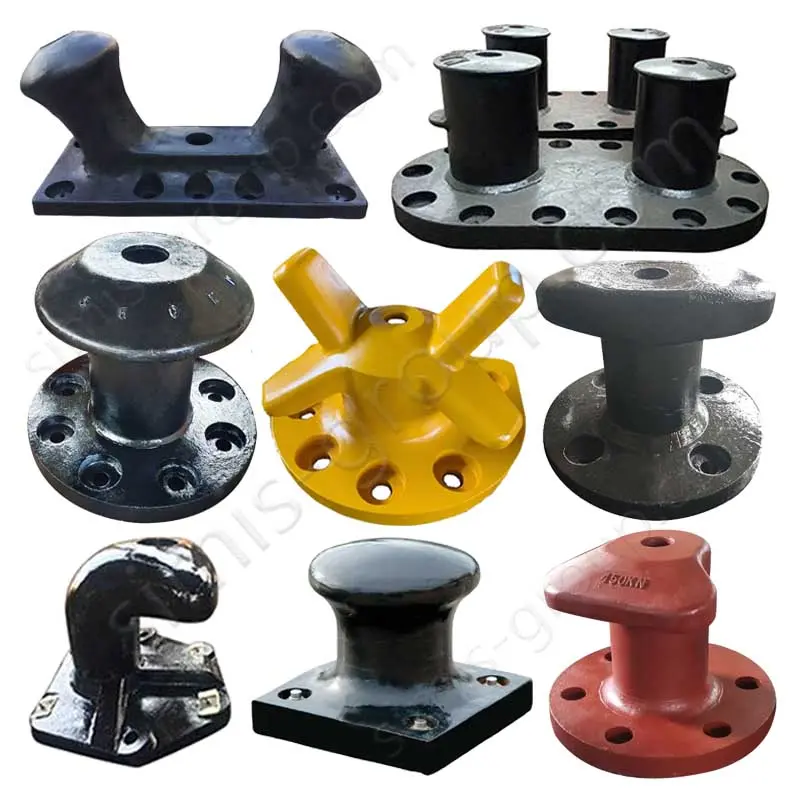
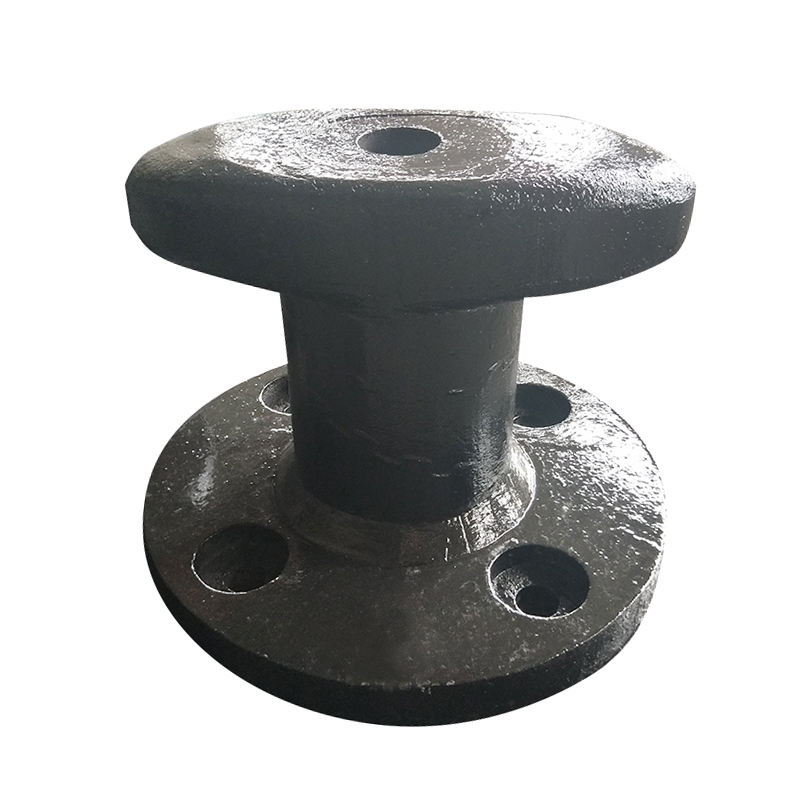
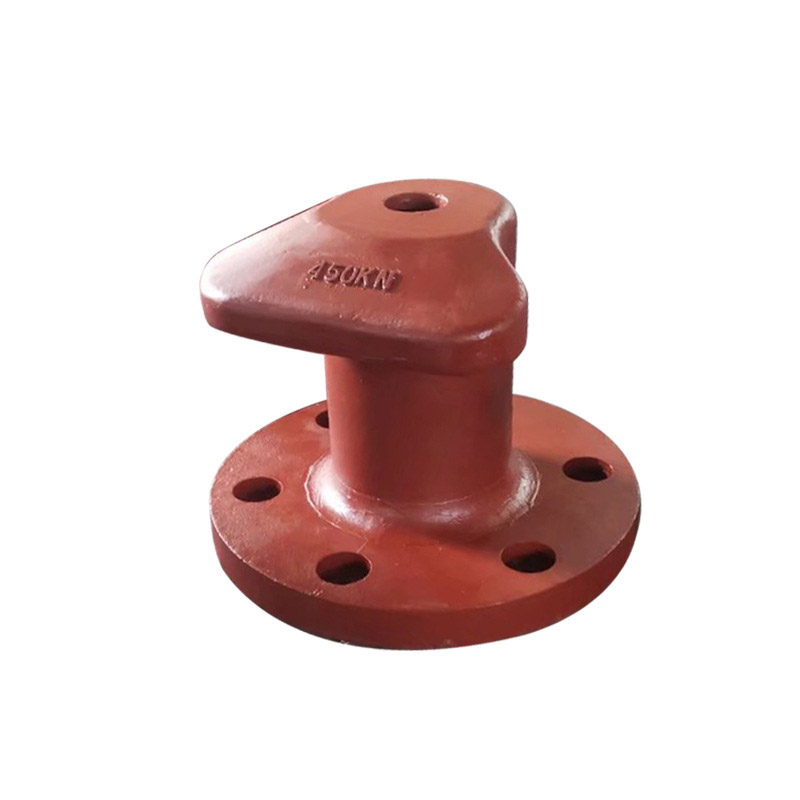
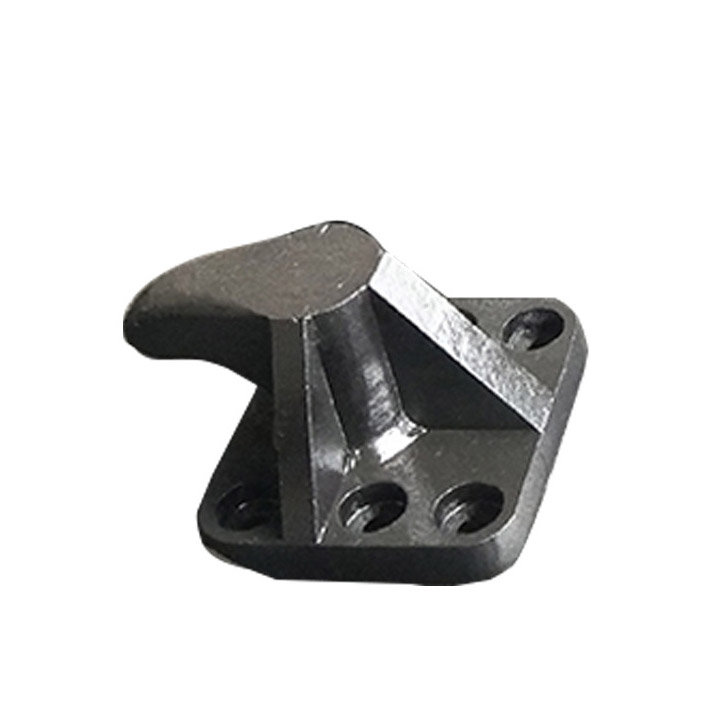
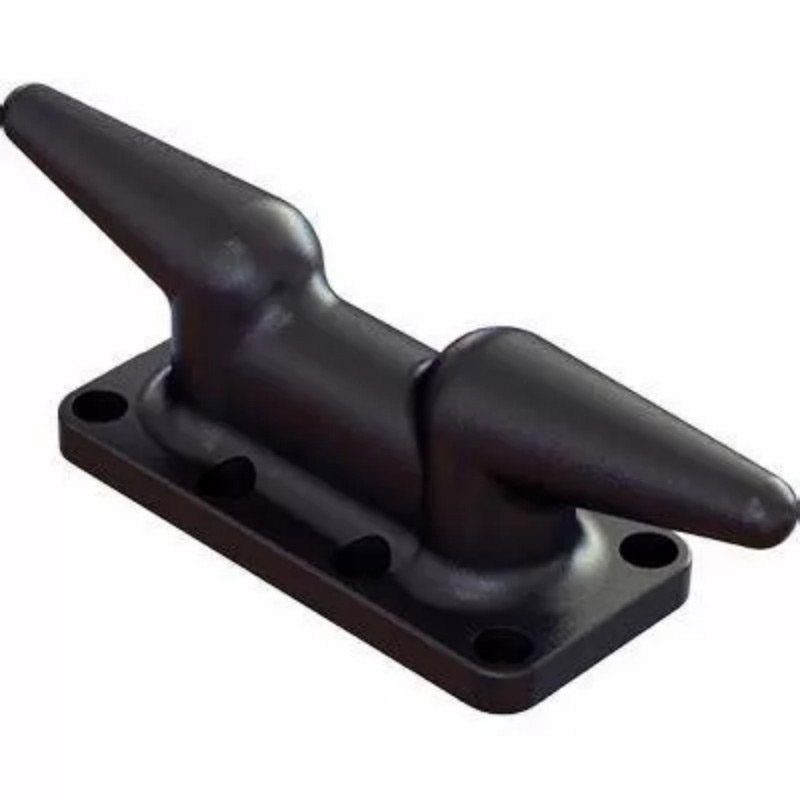
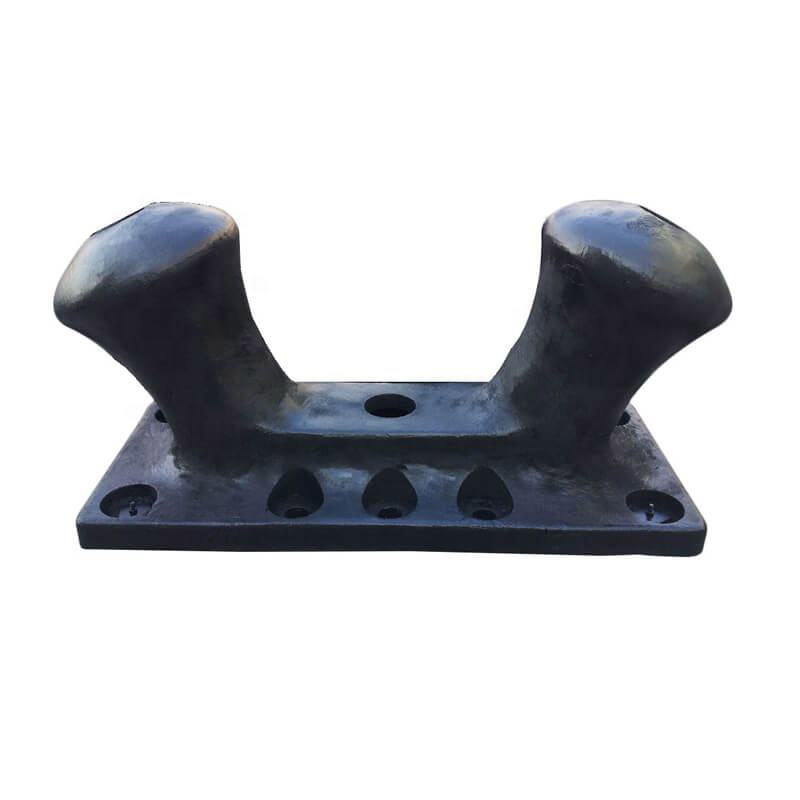
Mooring Bollard

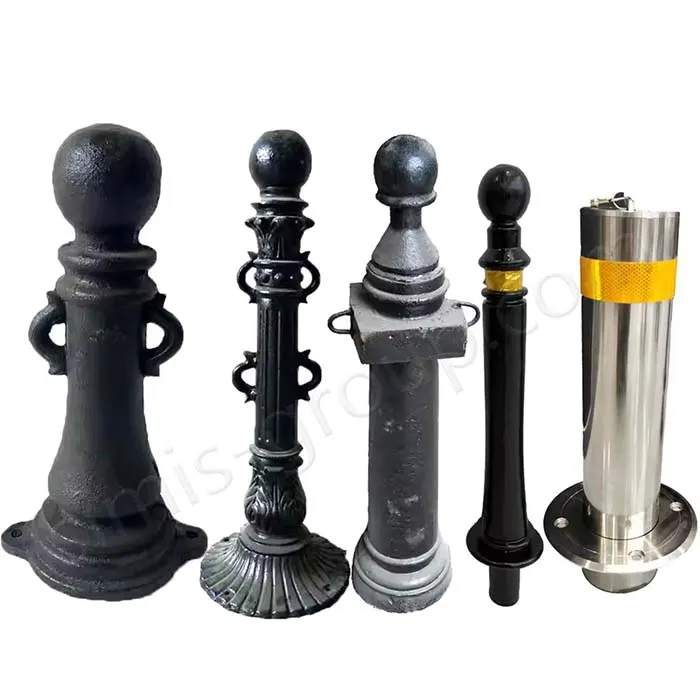
China Simis Company specializes in the custom manufacturing of Mooring Bollards—the essential ship-to-shore anchoring devices used in commercial ports, container terminals, and marinas. The bollard's primary function is to secure ships under extreme dynamic and static loads generated by wind, waves, tide changes, and vessel movement.
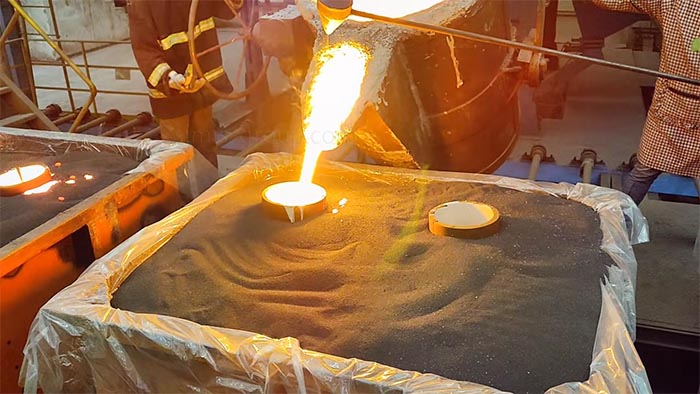
Mooring bollards must demonstrate massive tensile strength, superior resistance to sudden impact loads, and exceptional marine corrosion resistance due to constant exposure to salt spray and seawater. We utilize robust Sand Casting for high-volume, load-bearing bodies and selective Forging for critical stress points, employing materials such as Ductile Iron (DI), Carbon Steel, and Stainless Steel to ensure structural reliability up to and exceeding 200 tonnes working load limit (WLL).
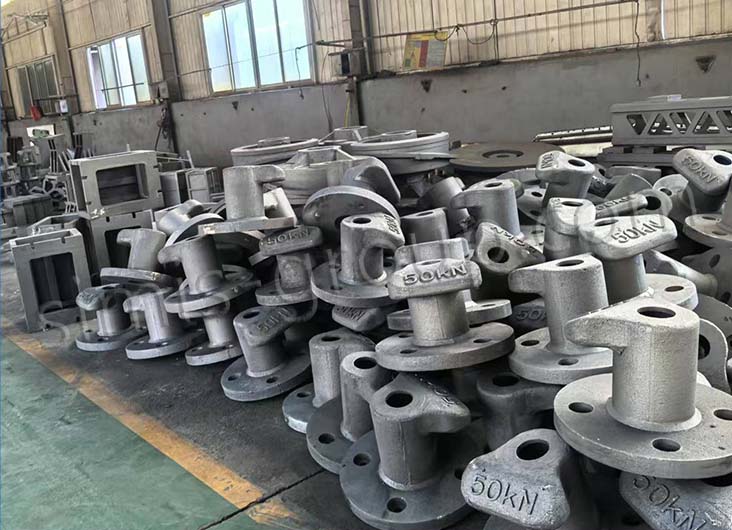
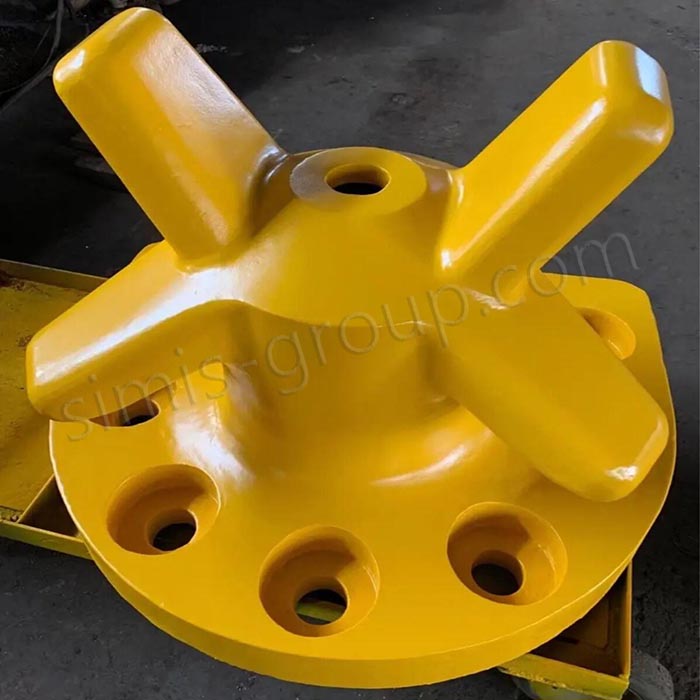
What Core Manufacturing Processes Ensure Load Rating and Structural Integrity of Mooring Bollards?
Manufacturing for bollards focuses on achieving the large, heavy-duty geometry required for high-load ratings while maximizing material density and impact resistance. Each process is selected based on the bollard's size, load requirement, and application scenario to ensure optimal performance.
| Manufacturing Process | Material Focus | Key Advantage for Mooring Bollards | Specific Process Detail |
| Sand Casting | Ductile Iron, Carbon Steel, Alloy Steel. | Cost-Effective for Massive, Complex Shapes. The standard process for high-tonnage bollard bodies (T-type, Twin-Post), providing the necessary large, thick-walled structure to withstand extreme tensile forces. | Primary process for high-load industrial and commercial bollards. |
| Shell Mold Casting | Alloy Steel, Stainless Steel. | Improved Surface Finish and Dimensional Consistency. Used for smaller marina bollards or bases where a smoother surface finish is required to reduce friction and minimize abrasion on mooring ropes. | Used for components requiring better aesthetics and rope longevity. |
| Open-Die Forging / Closed-Die Forging | Alloy Steel, Carbon Steel. | Maximum Density and Mechanical Strength. Used for highly stressed components like anchor shafts, foundation bolts, or specialized bollards requiring the ultimate resistance to impact shock loads. | Guarantees superior material integrity at critical anchor points. |
| CNC Machining | All Materials. | Achieving Critical Foundation Flatness. Mandatory for the bollard base mounting surface and anchor bolt holes to ensure proper load transfer to the pier structure without stress concentration. | Final step for installation interfaces. |
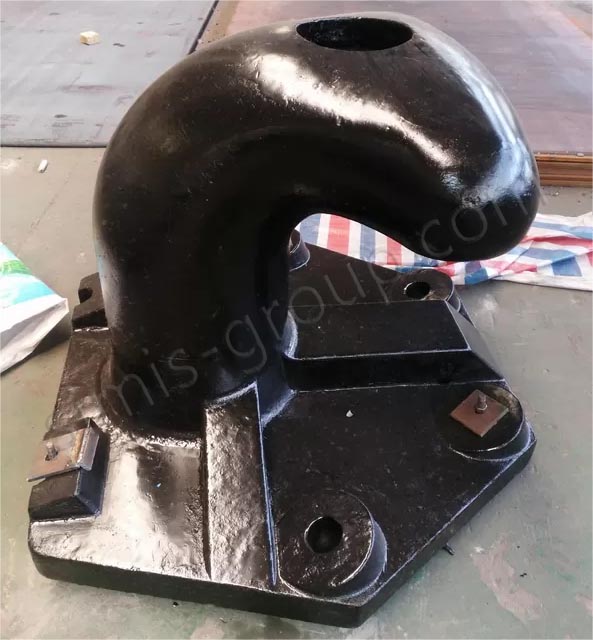
What Materials Ensure Strength, Impact Resistance, and Marine Corrosion Protection of Mooring Bollards?
Material selection is dictated by the bollard's required load rating (WLL) and the aggressiveness of the marine environment. We match material grades to the exact operational demands to balance performance, cost, and durability.
| Material Type | Primary Performance Focus | Typical Mooring Bollard Component Use |
| Ductile Iron (DI) | Excellent Castability, High Tensile Strength, and Impact Resistance. | Standard high-tonnage commercial and port bollards (e.g., 50T - 150T WLL). Cost-effective for large structures. |
| Carbon Steel / Alloy Steel | Maximum Yield Strength and Wear Resistance. | Bollards and anchor systems exposed to extreme dynamic loading (e.g., high-tide/heavy weather berths). |
| Stainless Steel (316 Grade) | Superior Marine Corrosion Resistance. | Yacht marinas and highly visible coastal areas where long-term aesthetics and minimal maintenance are critical. |
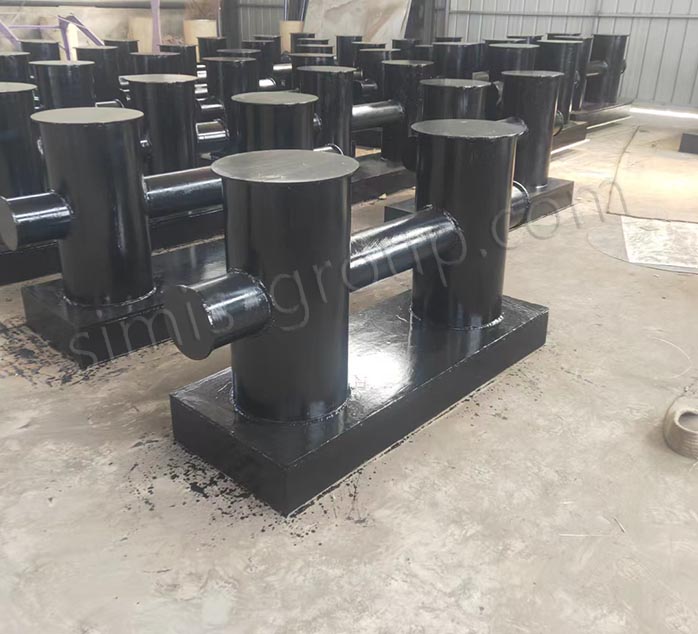
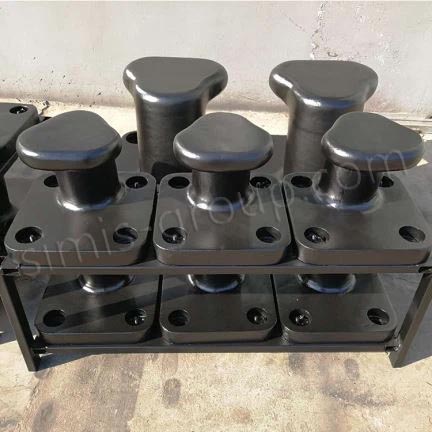
What Quality Assurance Measures Ensure Load Rating and Corrosion Protection of Mooring Bollards?
QA protocols are focused on verifying the bollard's actual load capacity and the quality of its corrosion protection system. Every inspection step is designed to meet international marine standards and ensure long-term operational safety.
·Non-Destructive Testing (NDT):
Magnetic Particle Inspection (MPI) is used on cast steel/iron bodies and anchor pins to detect surface or near-surface flaws that could compromise strength under maximum load.
·Structural Testing:
Proof Load Testing is performed on bollard designs to verify the specified WLL and ultimate tensile strength (UTS), often witnessed by classification societies.
·Dimensional Inspection:
CMM verification of the mounting plate flatness and bolt hole patterns to ensure proper alignment and safe installation on concrete foundations.
·Corrosion Coating Inspection:
Verification of surface preparation (e.g., sandblasting SA 2.5) and coating thickness (e.g., hot-dip galvanizing, marine-grade epoxy) is mandatory.
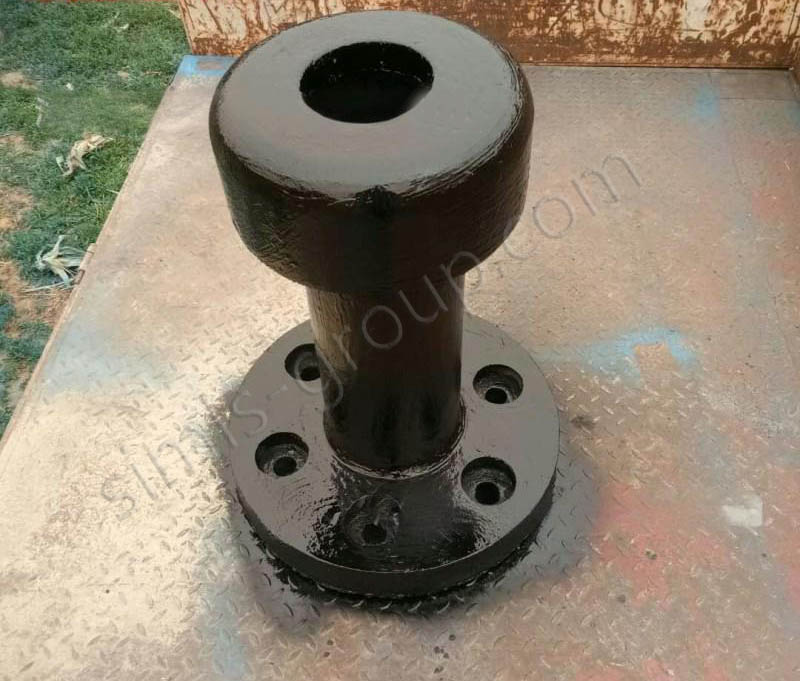
What Are the Application Areas of Mooring Bollards?
Our custom-cast and forged bollards provide reliable mooring points across the global maritime industry. Each application is matched with a tailored bollard design and material to address site-specific challenges.
| Application Sector | Typical Bollard Type Focus | Primary Challenge | Recommended Material Focus |
| Container Terminals / Commercial Ports | Twin-Post Bollards, T-Head. | Extreme Static and Dynamic Tensile Load (High Tonnage). | Sand Cast Ductile Iron or Alloy Steel. |
| Yacht Marinas & Fishing Ports | Mushroom Bollards, Cleats. | Aesthetics, Superior Corrosion Resistance, Small to Medium Loads. | Shell Cast 316 Stainless Steel or Coated Ductile Iron. |
| Shipyards & Dry Docks | High-Capacity Anchoring Points. | Constant Re-use, High Wear, Extreme Vertical Load. | Sand Cast/Forged Alloy Steel. |
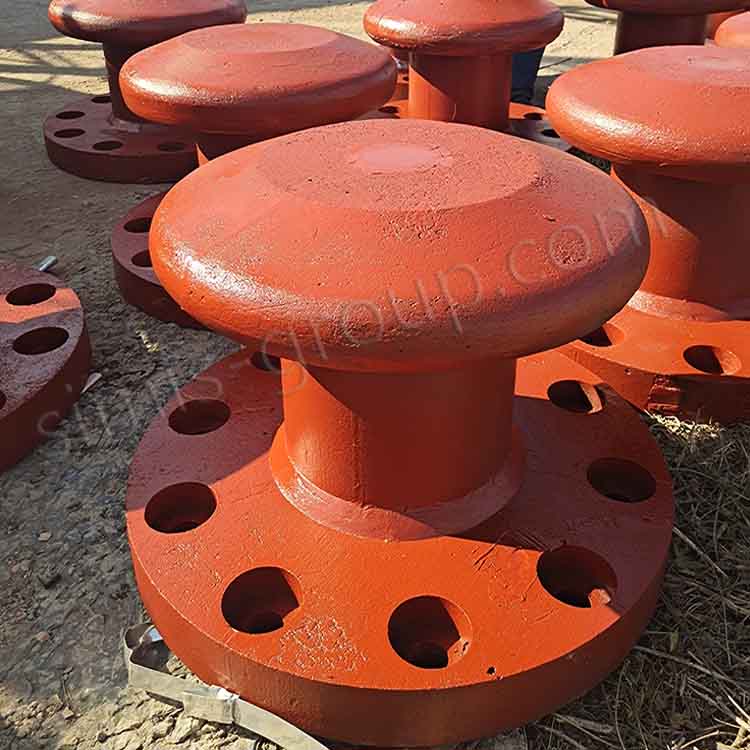
What Are the Advantages of Simis Custom Mooring Bollard Manufacturing?
Simis delivers high-performance mooring solutions through a custom approach that guarantees compliance with international marine standards and specific port infrastructure needs. Our expertise ensures each bollard is optimized for its intended application.
·Customized Load Rating Certification:
We design and manufacture bollards to meet the client's exact load requirements (e.g., 80T, 125T), providing material certification and proof load testing traceable to relevant standards.
·Optimized Anchor Integration:
Customization allows us to cast and machine the bollard base to fit existing or bespoke anchor bolt patterns and foundation sizes, simplifying installation and ensuring structural stability.
·Tailored Corrosion Protection:
We customize the corrosion system (e.g., Ductile Iron with a multi-layer marine epoxy vs. 316 SS) based on the terminal's environmental severity (e.g., tropical vs. arctic) and intended service life.
·Design for Rope Longevity:
Our casting processes ensure smooth radii and low surface friction on the mooring post, which is critical for minimizing wear and tear on expensive mooring lines.
How to Get a Quote for Custom Mooring Bollards?
China Simis Company is your expert partner for custom-casting and forging high-capacity Mooring Bollards, providing robust solutions engineered for extreme loads and long service life in harsh marine environments. To receive a detailed, accurate quotation for your project, please submit the following key technical documents and specifications to our professional engineering department:
2D technical drawings or 3D CAD models of the bollard design
Required Working Load Limit (WLL) in tonnes and ultimate tensile strength (UTS) requirements
Specified material grade (e.g., Ductile Iron Grade 60-40-18, 316 Stainless Steel)
Foundation anchor details (bolt hole pattern, mounting plate dimensions, concrete strength grade)
Corrosion coating specifications (e.g., hot-dip galvanizing, marine epoxy, thickness requirements)
Application environment details (e.g., saltwater exposure, extreme weather conditions, installation location)
Expected annual production volume and delivery timeline
Our engineering team will conduct a comprehensive feasibility analysis, including design optimization recommendations to enhance load-bearing capacity and corrosion resistance, and provide a full quotation package covering unit pricing, tooling costs, production lead time, quality control protocols, and delivery terms.