Custom Air Spring Base Manufacturer
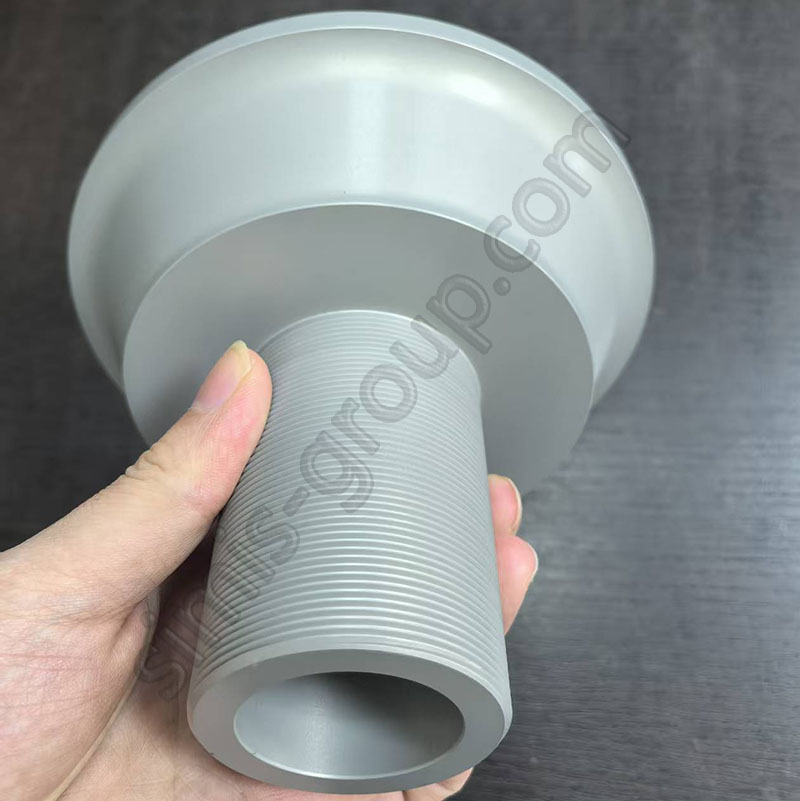
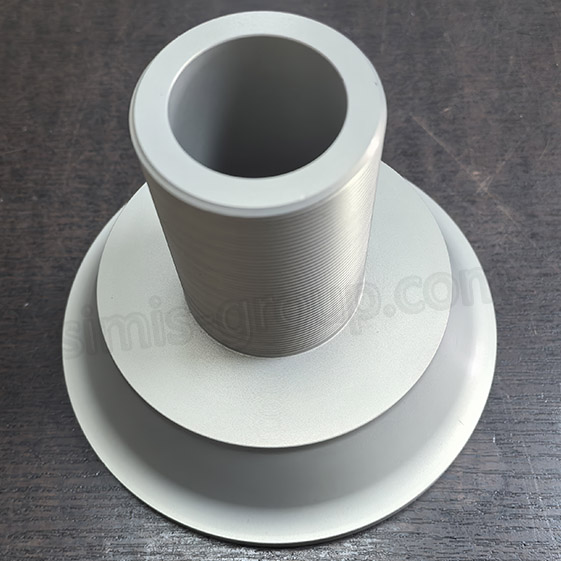
Air Spring Base

Frequently Asked Questions About Custom Air Spring Bases
1. What air spring base and suspension piston parts can SIMIS manufacture?
SIMIS manufactures custom aluminum air spring bases, air suspension pistons, lower bellows seats, upper end-cap blanks, strut mounting components and related suspension metal parts to OEM drawings. Suitable processes include closed-die aluminum forging, cold forging or impact extrusion for approved shapes, and aluminum gravity permanent mold casting. We supply specified metal components rather than assuming that every order includes the rubber air bellows, damper, compressor or complete air strut assembly.
2. Can SIMIS produce forged 6061 or 7075 aluminum air spring pistons?
Yes. Aluminum closed-die forging is a primary SIMIS manufacturing route for suitable structural air spring bases and piston blanks. Wrought aluminum 6061 and 7075 are potential choices when specified by the customer; their finished temper, such as T6, is defined by the approved material and process requirements. Forging forms the metal body or blank, while any required sealing seats, connection features or surface finish are completed to the customer drawing. Material and process suitability must be confirmed for each part.
3. Are cast aluminum air spring bases and upper caps available?
Yes. SIMIS supplies suitable aluminum castings for air spring upper caps, shaped bases, mounting brackets and compatible piston bodies. Gravity permanent mold casting using an approved A356 alloy and temper is one relevant option. Sand casting can be considered for certain sizes or lower-volume shapes, while pressure die casting is more appropriate for customer-approved noncritical covers or attachments. Castings intended to contain pressurized air need project-specific design approval and verification; casting alone does not guarantee a leak-tight component.
4. What is the difference between an air spring base, an air spring piston and a strut mount?
The air spring base provides a lower supporting or locating structure for the air bellows in a specified suspension arrangement. In rolling-lobe designs, the piston also provides a shaped surface over which the flexible bellows moves during suspension travel. An upper cap or end plate closes or supports another part of the air spring assembly, while a strut mount is a separate attachment to the vehicle structure. These functions can overlap in some OEM designs, so SIMIS manufactures each part to its own approved drawing.
5. What information is required for an OEM air spring base quotation?
Please send a 2D technical drawing or available 3D CAD model, the required component type, specified aluminum grade, important dimensions and estimated purchase quantity. Useful dimensional information includes bellows contact diameter, sealing or clamping interface, base height and mounting thread or hole details. Where relevant, identify whether the part forms a pressure boundary and provide the customer-defined operating environment and component requirements. SIMIS can quote suitable forged blanks, castings or finished metal parts within the agreed supply scope. Email info@simis-group.com.
OEM Custom Air Spring Base and Suspension Piston Manufacturer
Custom air spring bases are metal support and interface components used in automotive air suspension systems. Depending on the construction, an air spring may include a flexible rubber bellows, an upper end cap, a lower piston or base, and associated mounting hardware. Some air struts combine the air spring with a shock absorber, but the metal base and piston remain distinct components within that assembly.
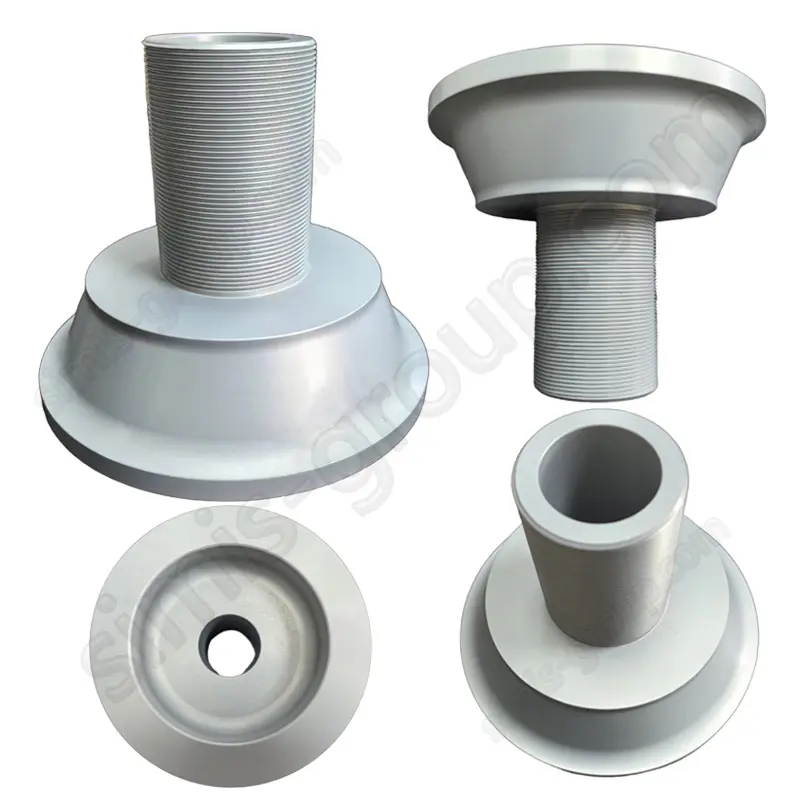
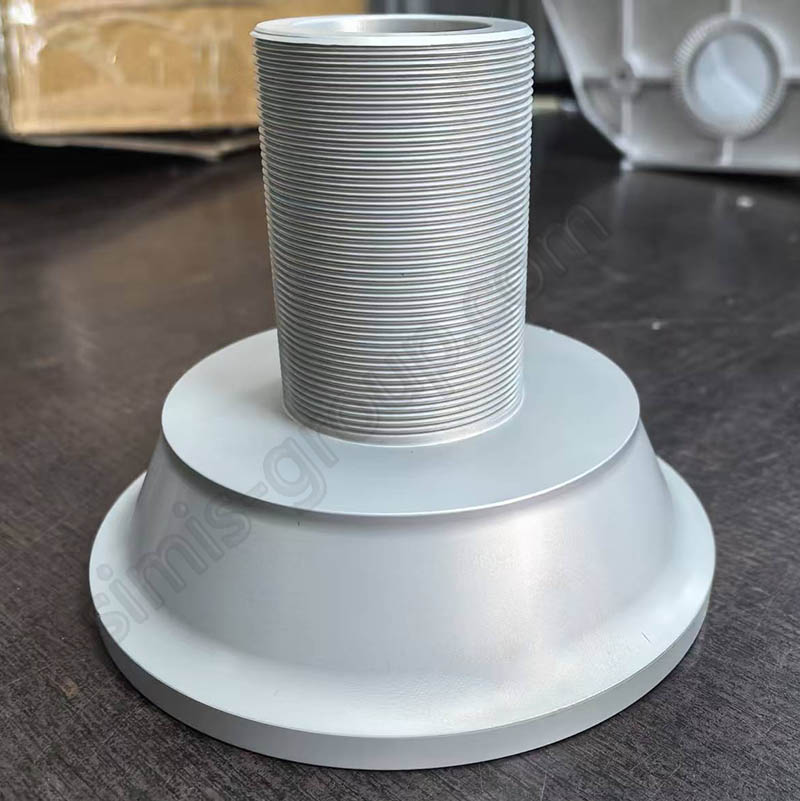
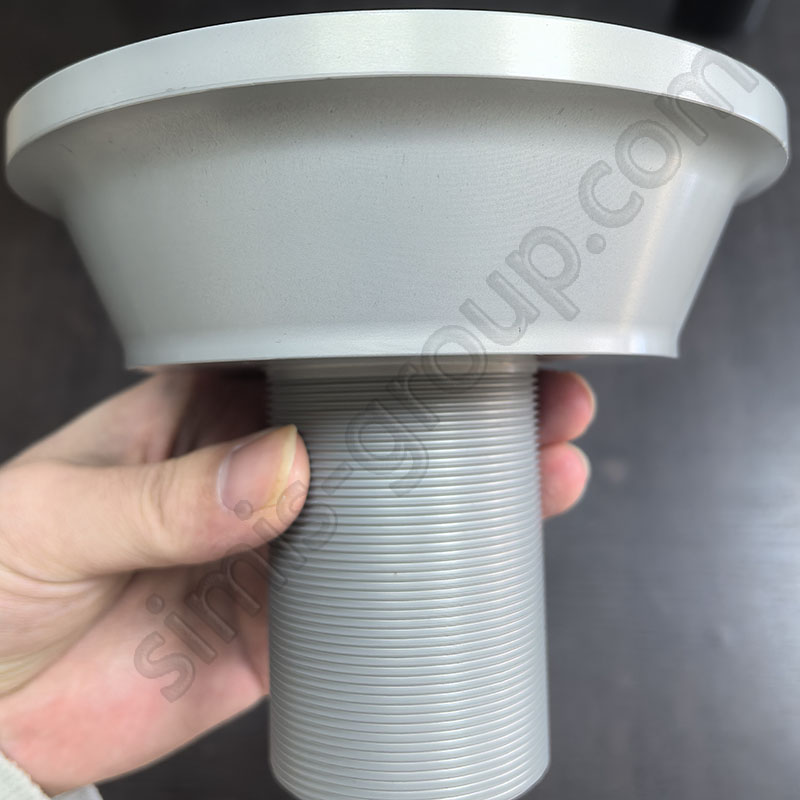
SIMIS specializes in OEM forged aluminum air spring bases, suspension piston bodies, lower bellows seats, air strut mounting bases and suitable cast aluminum suspension parts. We manufacture components according to customer drawings using suitable aluminum forging and casting processes. The original product page emphasizes lightweight automotive aluminum components, especially forged 6061 and 7075 grades and suitable A356 castings.
The air spring piston in a rolling-lobe arrangement may have a flared, tapered or otherwise contoured outer body. Its contact geometry is determined by the air bellows and required suspension arrangement. A different design may use a relatively simple base plate, upper cap or bracket. These parts should not be described as having identical sealing or load-transfer functions.
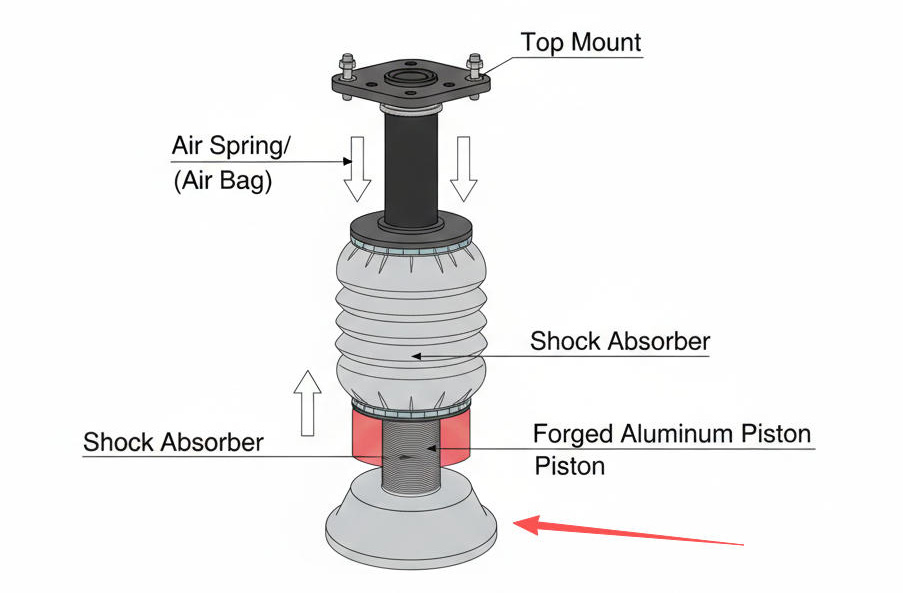
The schematic illustrates the relationship between an air spring, damper and lower piston or base. It is an application reference, not a universal drawing or certification of a particular vehicle suspension system. SIMIS supplies metal components rather than claiming to manufacture every adjoining rubber, pneumatic and damping element.
A forged aluminum blank is an option where the OEM selects wrought aluminum and a shape suitable for closed-die forming. Gravity-cast A356 aluminum may be appropriate for a more complex approved mounting geometry. Material selection and manufacturing route depend on the component requirements, rather than one universal weight reduction, pressure rating or service-life target.
For related projects, SIMIS also supplies automotive castings and forgings and custom shock mount brackets according to customer specifications.
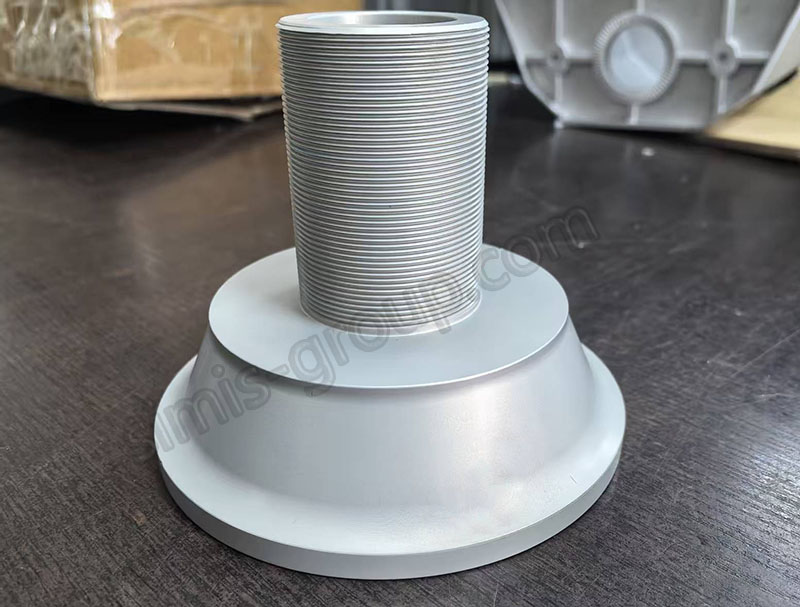
Types of Air Spring Bases, Pistons, End Caps and Mounting Components
Air suspension metal components have different functions and manufacturing requirements. SIMIS can quote suitable product forms according to the OEM drawing rather than using the term air spring base for every part of an air strut.
| Component Type | Typical Features | Potential Manufacturing Route |
|---|---|---|
| Lower Air Spring Base | Circular or flared lower interface, bellows seating profile and mounting connection. | Closed-die aluminum forging or approved A356 casting. |
| Rolling-Lobe Air Suspension Piston | Contoured metal piston body that works with a specified flexible bellows. | Suitable hot forging, cold forming or approved casting. |
| Air Spring Upper End Cap | Annular cap or plate with bellows clamping, locating or fastening features. | Approved aluminum casting, forging or metal fabrication. |
| Air Strut Lower Mounting Base | Integrated threaded, bolted or shaped connection to the compatible suspension assembly. | Aluminum forging for suitable load-bearing forms; approved casting for appropriate geometries. |
| Suspension Mounting Brackets | Mounting lugs, flanges, bosses or separately attached hardware. | Forging, casting or sheet metal fabrication according to the drawing. |
| Special Thin-Wall Piston or Sleeve | Cylindrical or cup-like preform with material-dependent wall features. | Cold forging or impact extrusion when feasible for the alloy and shape. |
| Ports, Bushes and Metal Fittings | Small customer-defined threaded interfaces, washers, inserts or connecting components. | Wrought stock, forging or compatible metal fabrication. |
Forged Aluminum Air Spring Piston Bodies
A forged aluminum piston may combine a supporting lower body with a shaped bellows-contact section and central mounting connection. Forging is particularly relevant when the OEM requires a wrought aluminum alloy and the external geometry is suitable for tooling. Any required internal cavity, thread or sealing feature is supplied to the drawing; not every forging is delivered as a complete pneumatic assembly.
Cast Aluminum Air Spring Caps and Brackets
Cast aluminum caps and brackets can incorporate bosses, ribs or irregular exterior features. Gravity permanent mold casting and sand casting are options for suitable A356 or other specified casting grades. The correct route depends on minimum section thickness, alloy, production quantity and whether the part must form a pressure-retaining boundary.
Mounting Hardware and Separate Metal Attachments
Some air spring installations require additional metal plates, spacers, adapters, brackets or fasteners. These parts can be forged, cast or fabricated to drawings. Their function differs from the flexible air bellows, height sensor, air valve and shock absorber, which are not automatically included in an order for an air spring base.
Aluminum Closed-Die Forging, Cold Forming and Casting Processes
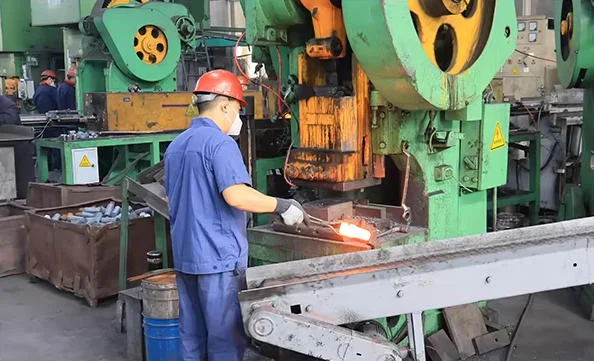
SIMIS offers multiple manufacturing routes for air spring base metal components. Aluminum closed-die forging is the principal process for suitable structural pistons and bases. Impact extrusion or cold forging may be appropriate for certain thin-wall shapes, while gravity permanent mold casting provides an alternative for approved complex aluminum caps and brackets.
| Manufacturing Process | Potential Air Spring Components | Process Considerations |
|---|---|---|
| Closed-Die Aluminum Forging | Structural lower bases, piston blanks and compact mounting bodies. | Forms heated wrought aluminum in dies; material grade and final temper follow the drawing. |
| Cold Forging / Impact Extrusion | Compatible cylindrical piston or sleeve preforms. | Requires part geometry and aluminum alloy suitable for the selected cold-forming operation. |
| Gravity Permanent Mold Casting | Approved A356 upper caps, complex piston bodies, flanged bases and mounting brackets. | Pours aluminum into reusable metal molds; pressure integrity must be separately specified and verified. |
| Aluminum Sand Casting | Suitable prototype, lower-volume or larger shaped base and bracket castings. | Uses expendable sand molds, with dimensions and soundness controlled to the approved specification. |
| Pressure Die Casting | Selected non-pressure-retaining covers and customer-approved accessory housings. | Suited to some complex high-volume shapes; not a default substitute for a pressure-retaining forged base. |
| Sheet Metal Fabrication | Mounting plates, covers, retaining hardware and supporting brackets. | Used where plate or formed metal construction better fits the actual drawing. |
Closed-Die Forging for Structural Aluminum Air Spring Bases
In aluminum closed-die forging, a suitably prepared aluminum billet is heated and pressed between shaped dies to form the component profile. Forging is relevant for selected structural bases and pistons with sufficient production volume to justify tooling. SIMIS supplies closed-die forging and custom aluminum forging services for appropriate automotive components.
The properties of a forging depend on the particular alloy, forging route, final temper and component geometry. Descriptions such as completely pore-free, guaranteed leak-tight or universally fatigue-resistant are not technically appropriate for every forged base. Customers define the acceptance requirements for any critical part.
Cold Forging and Impact Extrusion for Selected Thin-Wall Forms
Some piston or sleeve preforms have a relatively simple cylindrical or cup-like shape suitable for impact extrusion or other cold-forming processes. Tooling, material flow and feasible wall dimensions depend on the selected aluminum alloy and part geometry. SIMIS offers cold forging and extrusion for suitable metal components, but the process is not assumed suitable for every large flared air spring piston.
Gravity Permanent Mold Casting for Complex Aluminum Caps
Gravity permanent mold casting forms aluminum by pouring molten metal into a reusable metal mold. An approved A356 casting alloy may be considered for an air spring end cap, bracket or shaped base. SIMIS provides gravity permanent mold casting and broader aluminum casting services. The casting grade, temper, pressure boundary and test requirements are determined by the OEM.
Sand Casting, Die Casting and Fabricated Auxiliary Parts
For suitable lower-volume aluminum caps or brackets, sand casting may be considered. Pressure die casting can also serve appropriate non-pressure-retaining cover or accessory shapes when the specific alloy and production route are approved. Simple mounting plates and connection hardware may be more suitable for sheet metal fabrication rather than forging or casting.
Forged 6061 and 7075 Aluminum, Cast A356 and Other Materials
SIMIS manufactures suitable custom air spring metal components in customer-specified aluminum grades. Material selection should follow the approved product drawing, the component function and the required manufacturing route. Wrought and cast alloys have different compositions and specifications and should not be treated as interchangeable solely because both are aluminum.
| Material Grade | Material and Production Notes | Potential Air Suspension Components |
|---|---|---|
| 6061 Aluminum, Specified Temper | Heat-treatable wrought Al-Mg-Si alloy; forging may be followed by an approved temper such as T6. | Forged piston bodies, lower bases and selected mounting components. |
| 6082 Aluminum, Specified Temper | Wrought Al-Mg-Si alloy for suitable forged components when specified by the OEM. | Custom structural bases and mounting forgings. |
| 7075 Aluminum, Specified Temper | High-strength wrought Al-Zn-Mg-Cu alloy; environmental suitability and temper require review. | Selected demanding forged piston or base components where approved. |
| A356.0 Aluminum Casting, Specified Temper | Al-Si-Mg casting alloy; gravity casting and an approved T6 condition can be specified. | Cast upper caps, flanged bases, compatible brackets and approved piston bodies. |
| A357.0 Aluminum Casting | Al-Si-Mg casting grade for selected higher-duty cast components under an approved specification. | Specialized customer-approved cast mounting or housing parts. |
| A380 Aluminum Die Casting | Al-Si-Cu die-casting alloy with distinct composition and manufacturing characteristics. | Selected non-pressure-retaining accessory housings or covers where approved. |
| 304 / 316 Stainless Steel | Wrought stainless steel grades for appropriate corrosion-exposed hardware. | Separate fasteners, inserts, washers or other specified metal fittings. |
| Carbon / Alloy Steel | Wrought steel grades for compatible separate attachments; not the primary material of the aluminum piston shown. | Customer-specified pins, brackets and other supporting hardware. |
6061 and 6082 Wrought Aluminum for Forged Bases
6061 and 6082 belong to the wrought aluminum-magnesium-silicon family and can be considered for suitable forged air spring bases, mounting structures and piston blanks. The forged shape and final material temper are separate aspects of the manufacturing specification. A designation such as 6061-T6 describes a defined material condition rather than a universal result automatically produced by every forging operation.
7075 Wrought Aluminum for Specified High-Strength Components
7075 is another wrought aluminum alloy that may be specified for selected air suspension parts. Its higher-strength applications require attention to the approved temper and service environment, particularly where corrosion exposure matters. SIMIS manufactures according to the customer-selected material condition and component drawing; 7075 is not automatically preferable for every air spring base.
A356 Cast Aluminum for Caps and Complex Supporting Shapes
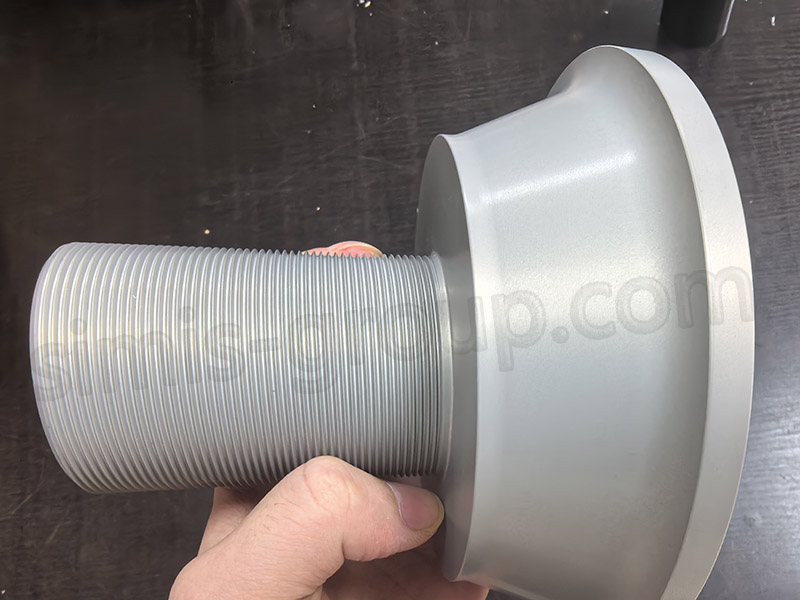
A356.0 is a casting alloy distinct from wrought 6061 or 7075. Gravity-cast A356 can be appropriate for customer-approved end caps, brackets and certain shaped bases. When the part is expected to act as a pneumatic pressure boundary, the acceptance plan must address the customer-specified casting soundness and leak requirements. A T6 temper alone does not guarantee airtightness.
Stainless Steel and Steel for Separate Fittings
Stainless steel 304 or 316 may be used for compatible corrosion-exposed fittings and fasteners, while carbon and alloy steels may be specified for separate load-bearing attachments. These materials should not be presented as direct replacements for a forged aluminum piston without an approved product redesign and material specification.
Applications in Passenger Cars, EVs, Trucks and Air Struts
Air spring bases and pistons are used in selected vehicle suspension arrangements. The same broad product term covers components that may differ significantly in load path, mounting interface, pressure environment and bellows geometry. SIMIS supplies customer-defined parts to the vehicle or suspension equipment manufacturer.
Passenger Car and Luxury Vehicle Air Suspension
Passenger cars and luxury vehicles may use air springs to provide specified suspension functions. In certain rolling-lobe designs, a contoured aluminum piston guides the flexible air bellows while a supporting base connects it to the assembly. SIMIS manufactures suitable aluminum metal parts to approved OEM dimensions.
Electric Vehicle Air Suspension Components
Electric vehicles may use air suspension systems with custom packaging and chassis connection requirements. Forged aluminum bases and shaped pistons are options where the OEM chooses a lightweight metal construction. Vehicle efficiency, payload and ride performance depend on the complete system and are not guaranteed by one piston material.
Commercial Truck Cabin and Axle Air Springs
Some commercial trucks use air springs in cabin or axle suspension applications. Their metal end components may require different interfaces and structural dimensions from passenger-car air struts. SIMIS supplies suitable base, piston and bracket components according to the customer specification; no single commercial-vehicle load rating applies to all parts.
Aftermarket Air Struts and Specialized Vehicle Applications
Air strut manufacturers and approved aftermarket suppliers may require custom bases, upper caps and mounting pieces for particular vehicle platforms. SIMIS supplies metal components to those drawings. Compatibility with the vehicle, air bellows, damper and suspension assembly must be determined and validated by the responsible equipment supplier.
OEM Air Suspension Metal Parts Manufactured to Customer Drawings
SIMIS supports OEM and ODM customers seeking aluminum air spring bases, suspension piston forgings, cast aluminum upper caps and associated metal mounting parts. We review the required component, specified aluminum grade, proposed manufacturing route and purchase quantity to define a practical supply scope.
Depending on the project, the order may cover a forged blank, a cast base, a finished metal piston or customer-defined mounting pieces. Any machining of O-ring grooves, threads, contact surfaces or other interfaces is carried out only to the agreed drawing and manufacturing specification. Heat treatment, anodizing, coating and inspection are likewise specified on a project basis.
An air spring base may serve as a bellows interface or as part of a compressed-air boundary, so dimensional requirements alone do not establish its complete function. The customer should identify the relevant sealing surfaces, pressure or environmental requirements and accepted verification method. SIMIS does not assign a universal zero-leakage claim, 100% inspection rule, salt-spray duration, fatigue cycle result or industry certificate to every component.
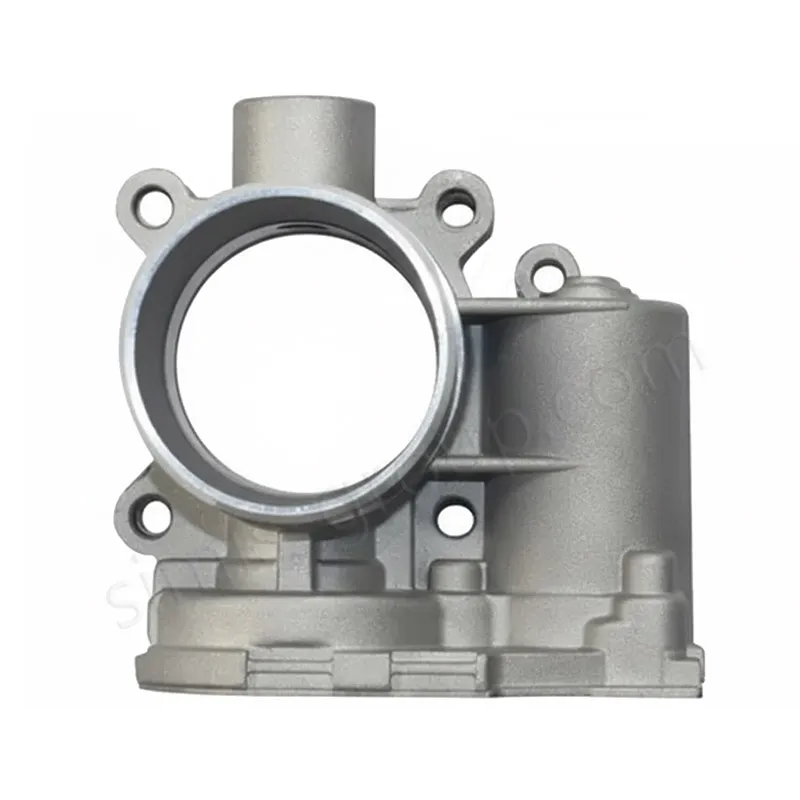
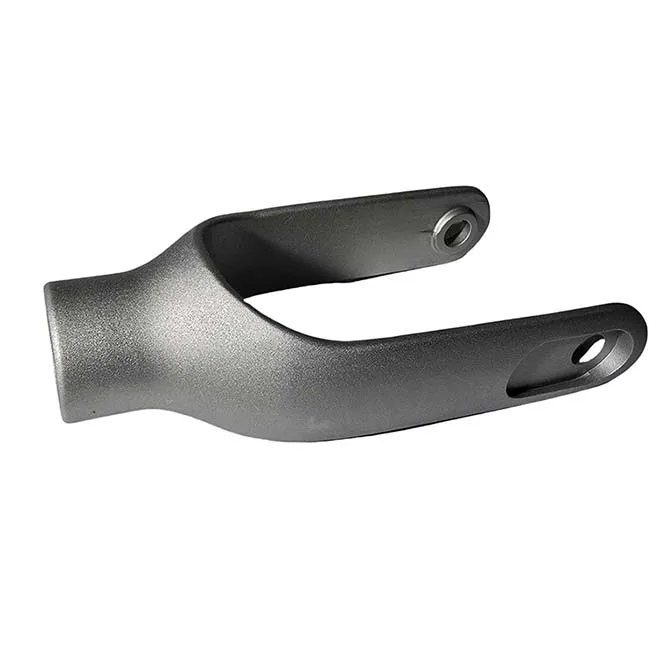
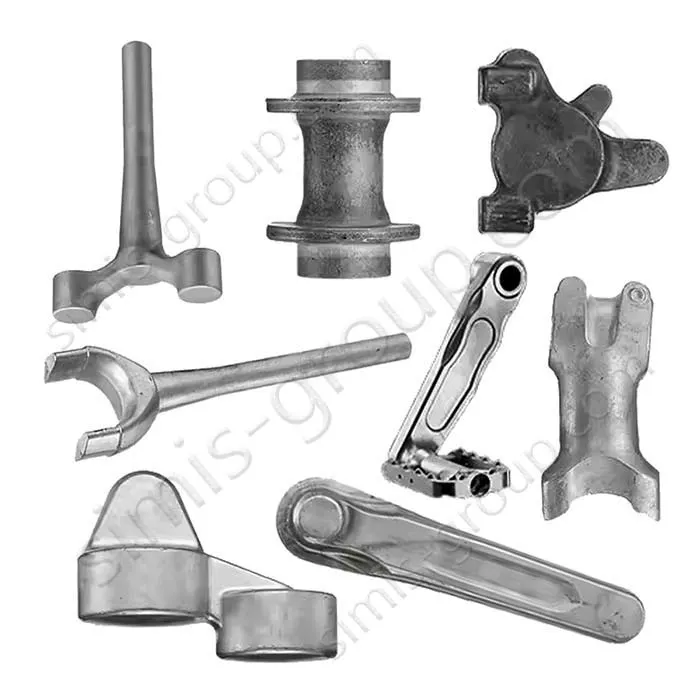
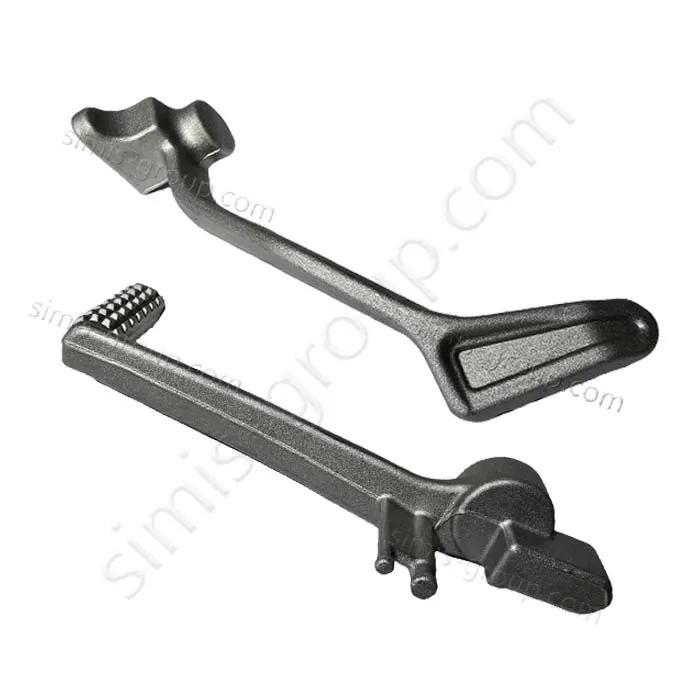
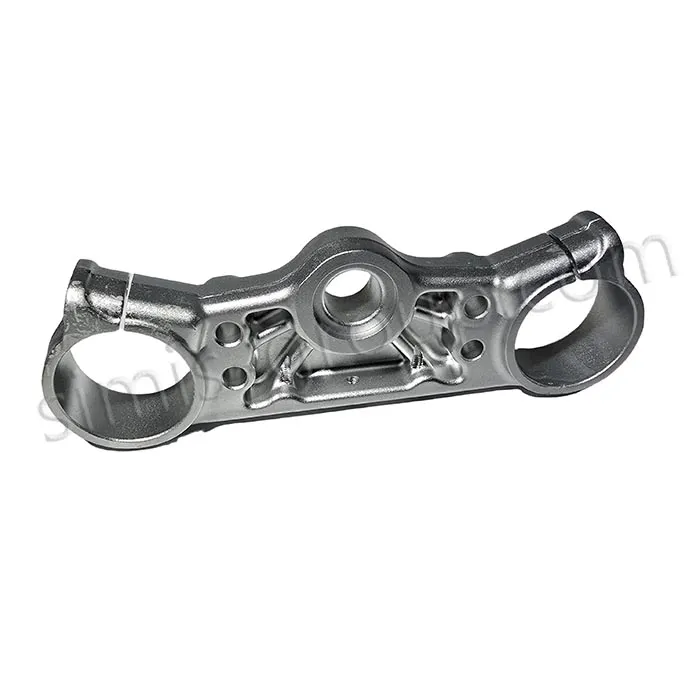
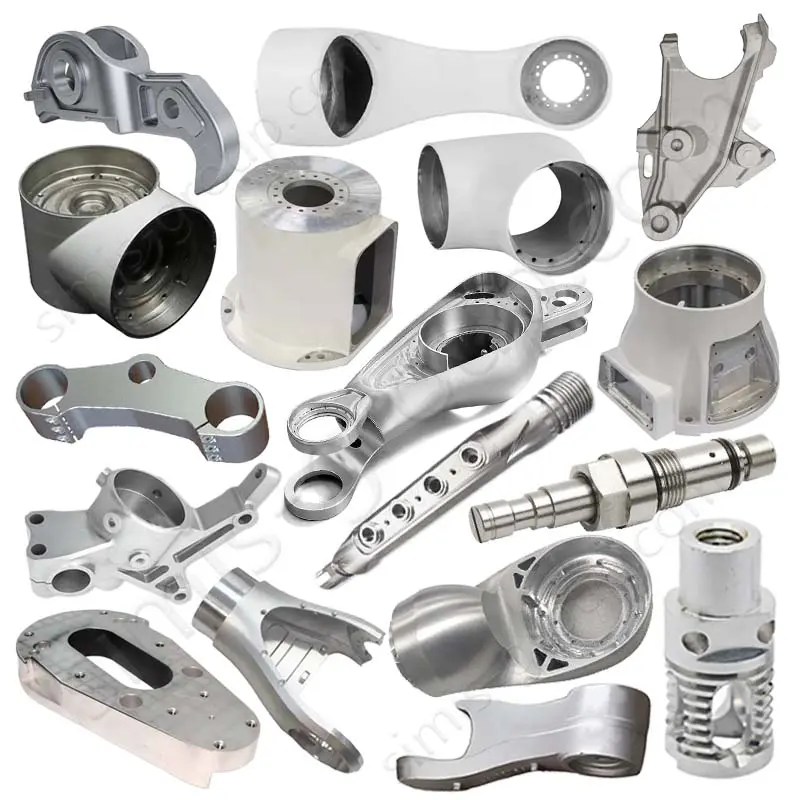
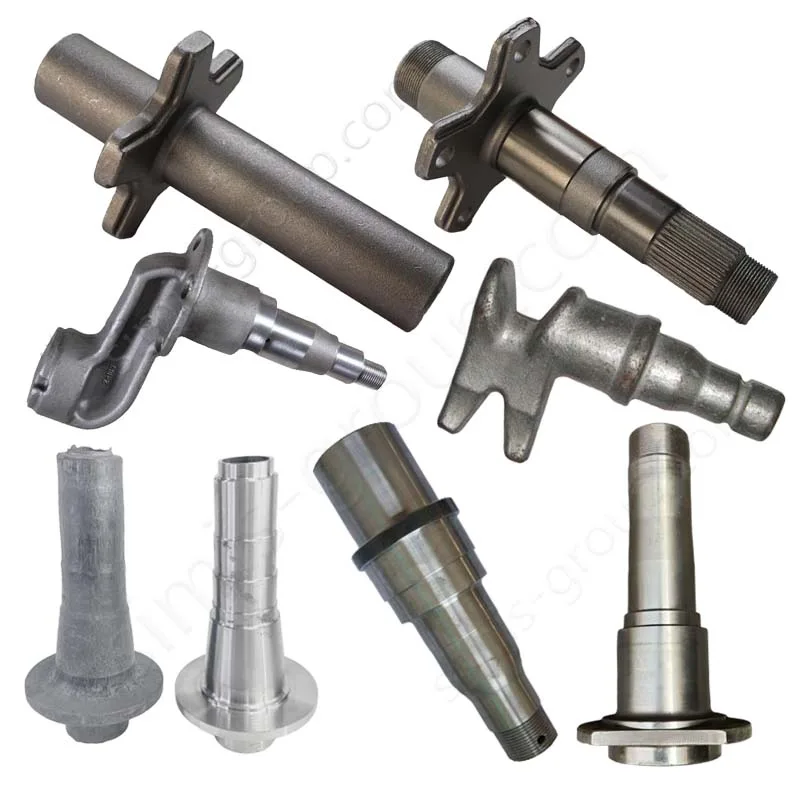
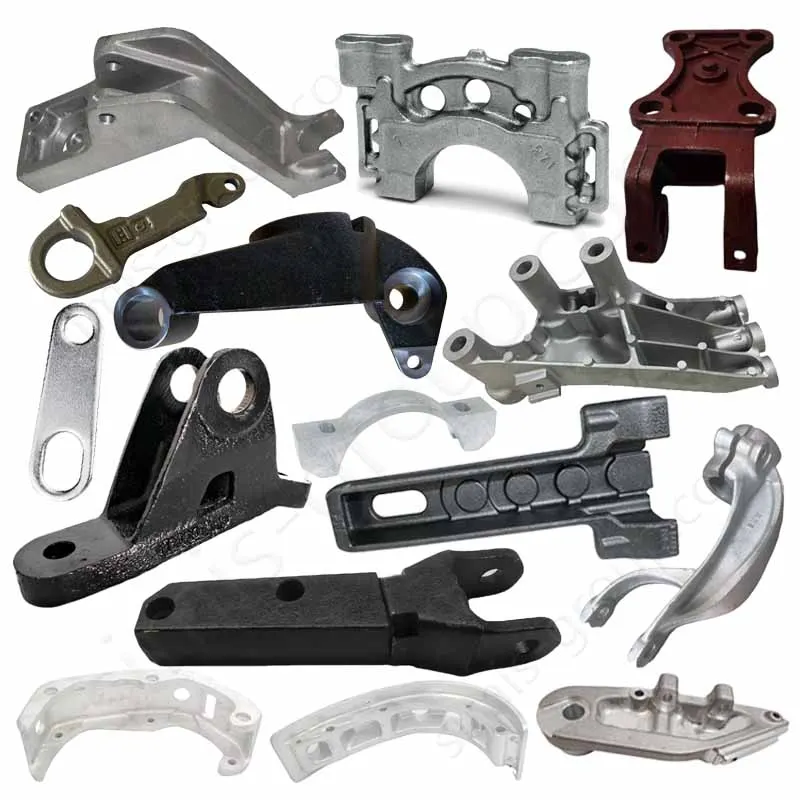
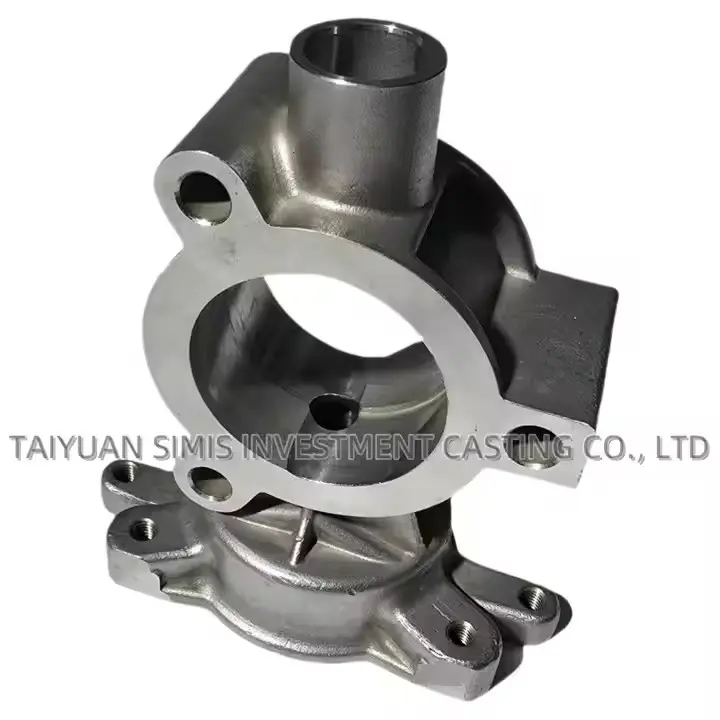
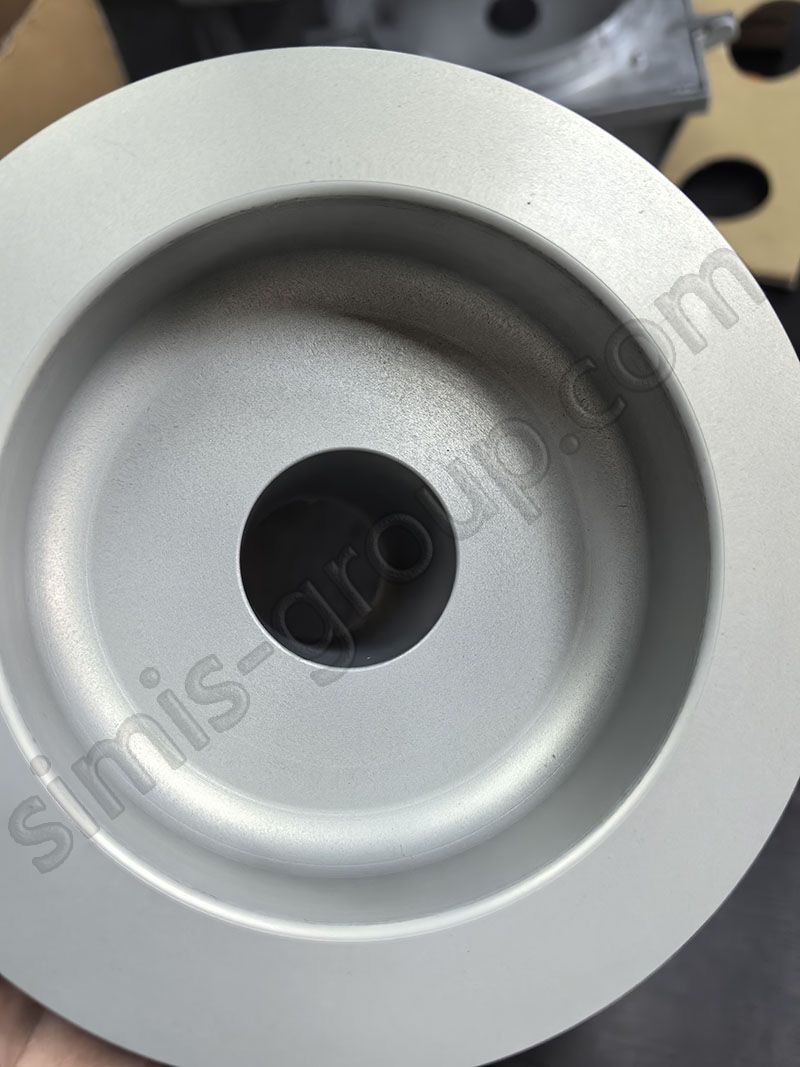
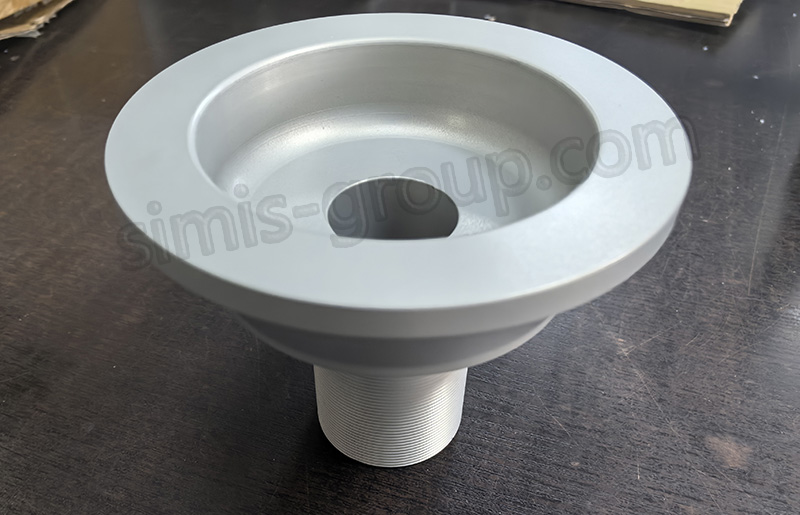
The photographs below are examples of the aluminum air spring component shapes shown on the original SIMIS product page. They do not by themselves establish material test results, assembly compatibility or the pressure rating of a complete air spring system.
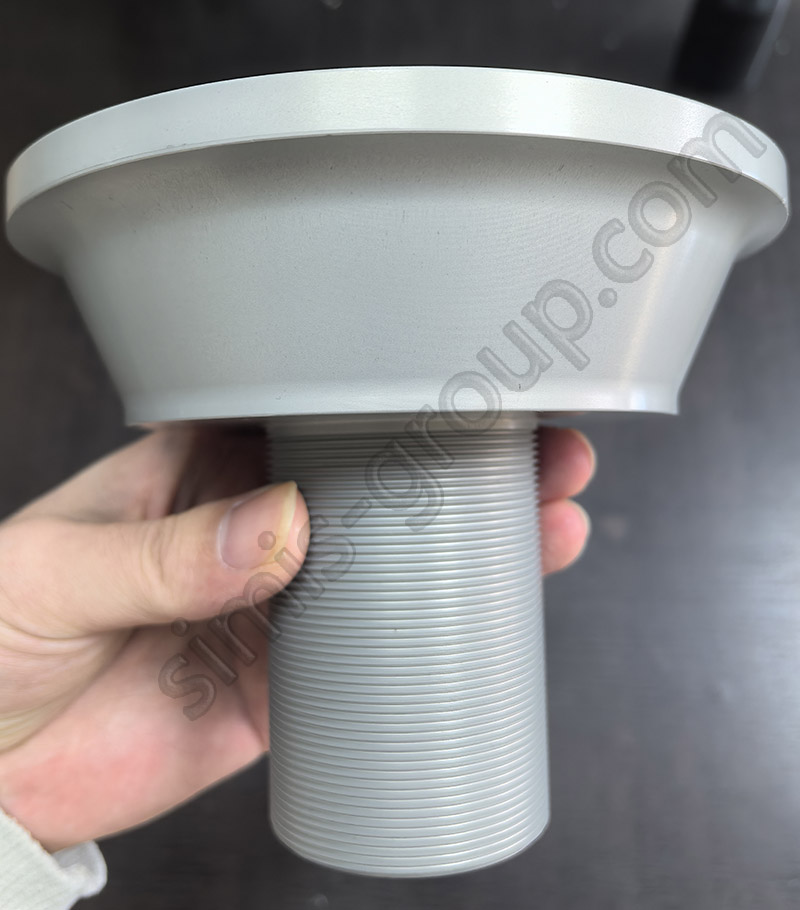
For related OEM production, SIMIS also provides aluminum forged automotive parts, appropriate cast metal pieces and separate mounting brackets under their own product specifications. Requesting a base or piston by drawing helps distinguish the required metal component from the complete air suspension system.
Request a Quote for Custom Air Spring Bases and Pistons
SIMIS welcomes OEM inquiries for custom aluminum air spring bases, forged suspension pistons, cast upper caps, air strut mounting bases and related metal components. For a quotation, please share the following details where available:
Drawings: 2D technical drawings or available 3D CAD / STEP models of the air spring base, piston or cap.
Component type: Lower base, rolling-lobe piston, upper end cap, strut mount or a separate suspension fitting.
Material: Required 6061, 6082, 7075, A356 or other specified grade and supply condition.
Key interfaces: Bellows contact and clamping dimensions, overall height, mounting holes or threads, and sealing features where applicable.
Order requirements: Estimated quantity, intended vehicle or suspension application, forged/cast/finished supply condition and specified pressure-boundary requirements if relevant.
Additional surface finish, coating, dimensional acceptance or material documentation requirements can be included in the approved purchase documents. SIMIS will quote the appropriate manufacturing and delivery scope.
Send your custom air spring base drawings and OEM inquiry to SIMIS: info@simis-group.com