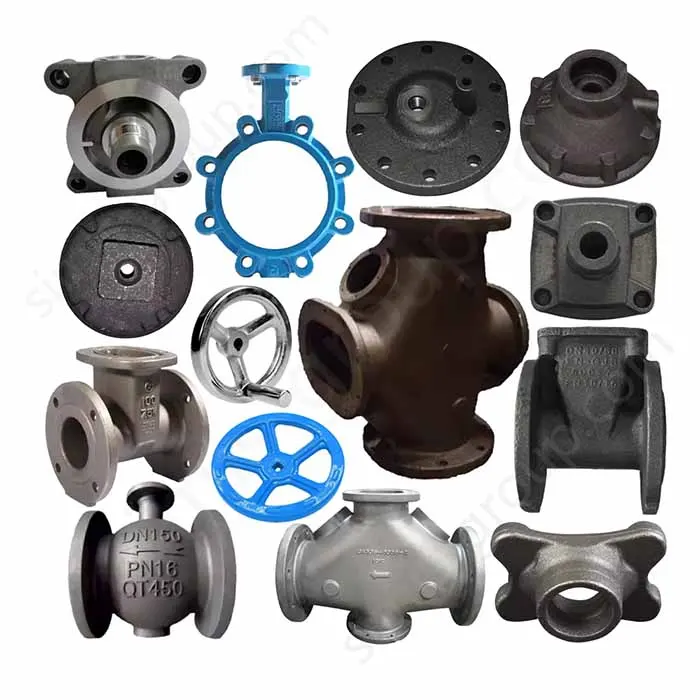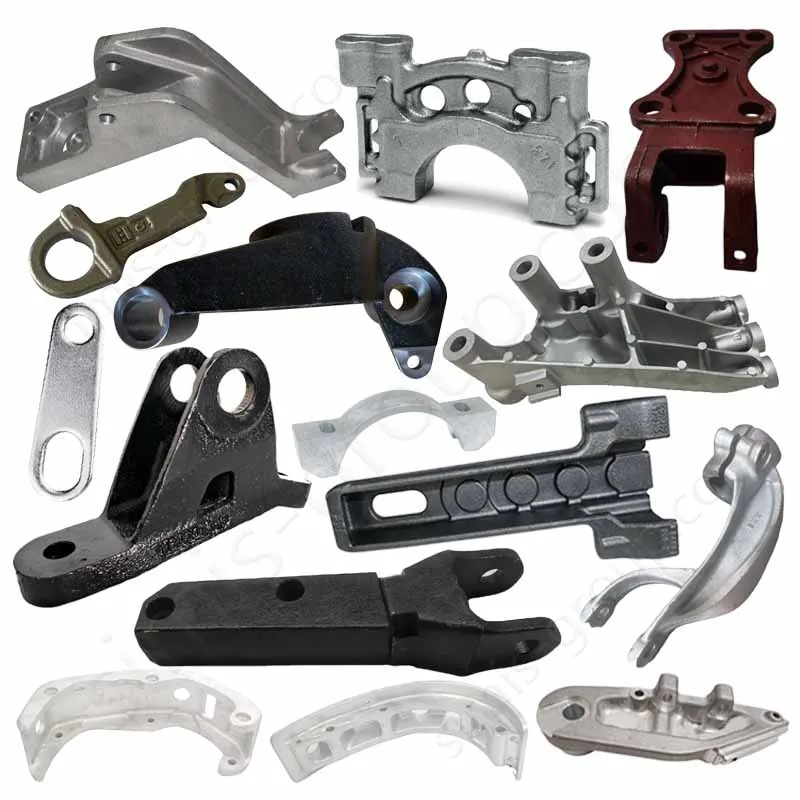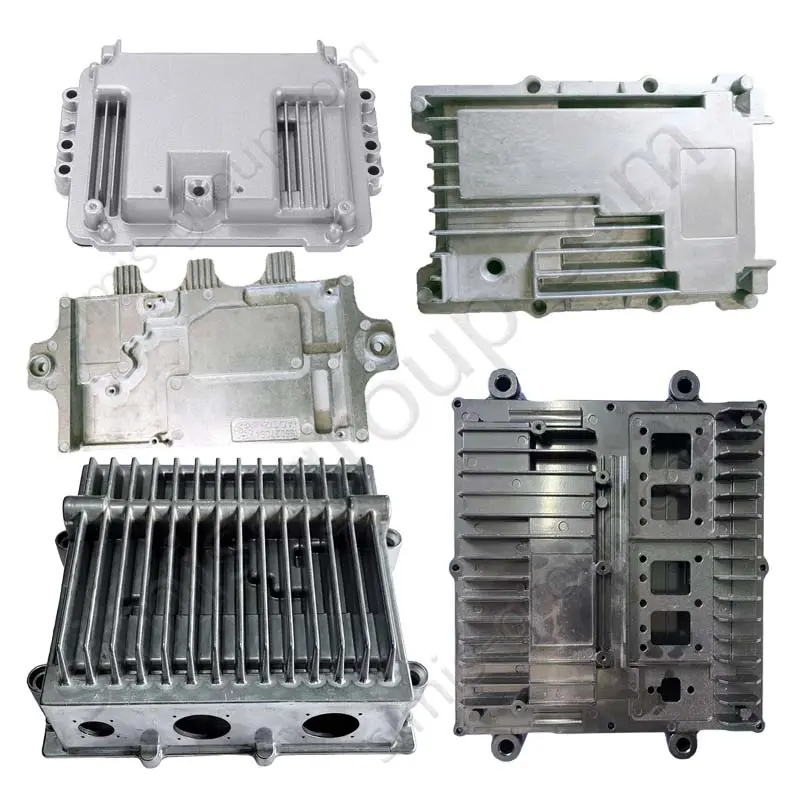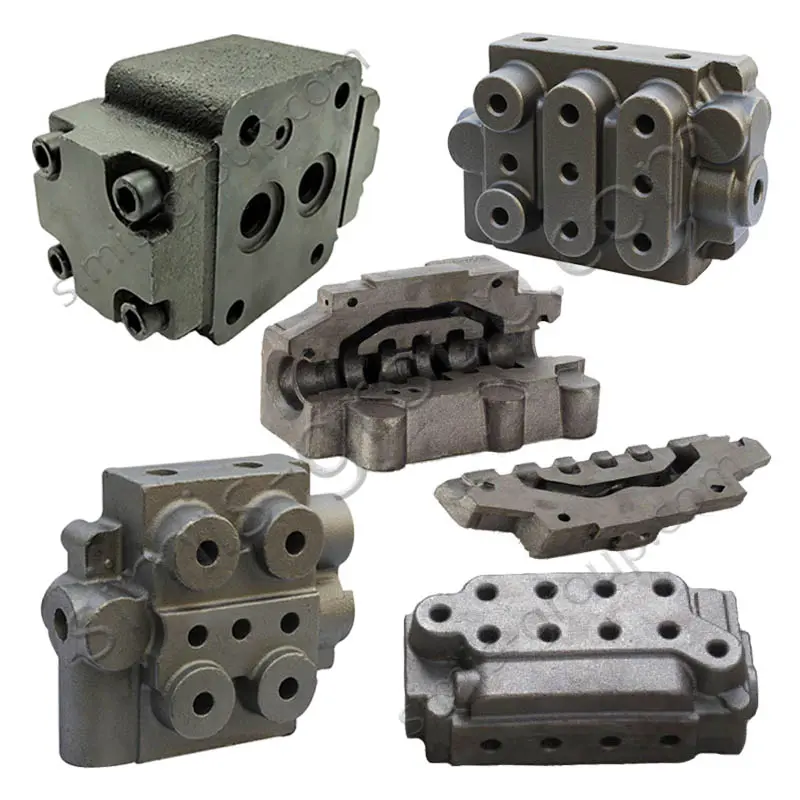
Custom EGR Valve Housing Manufacturer
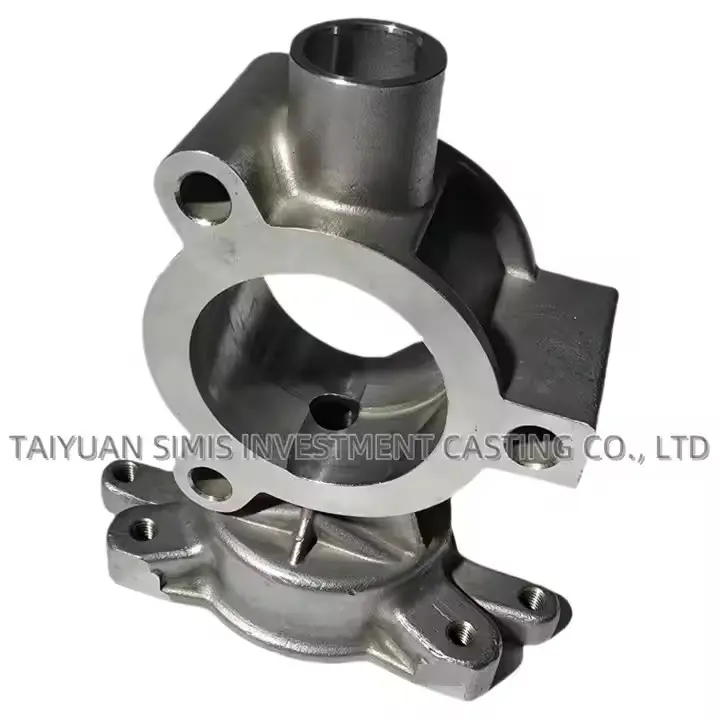
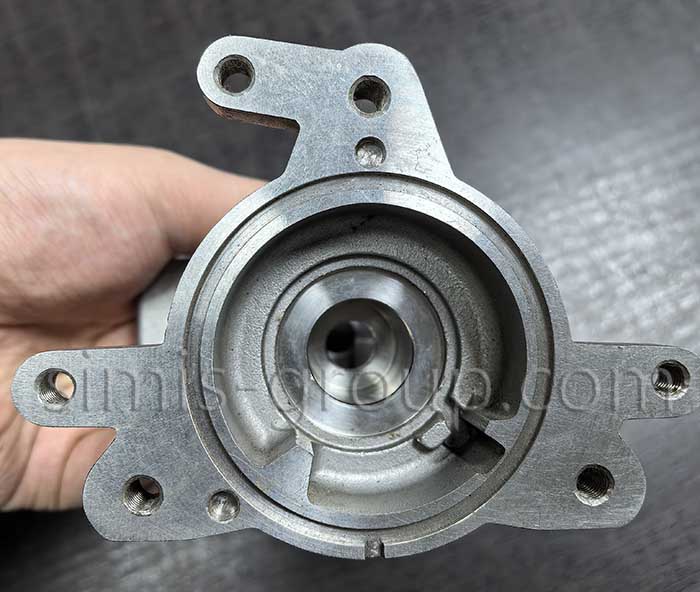
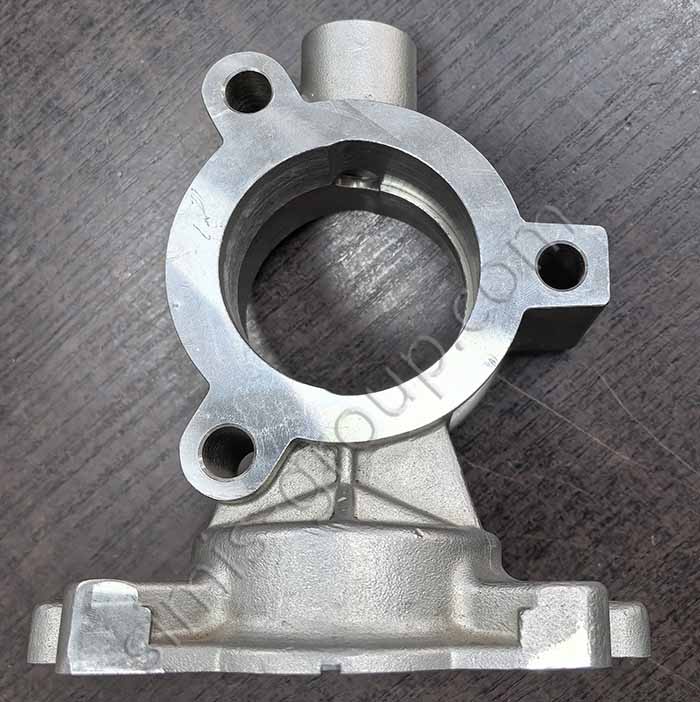
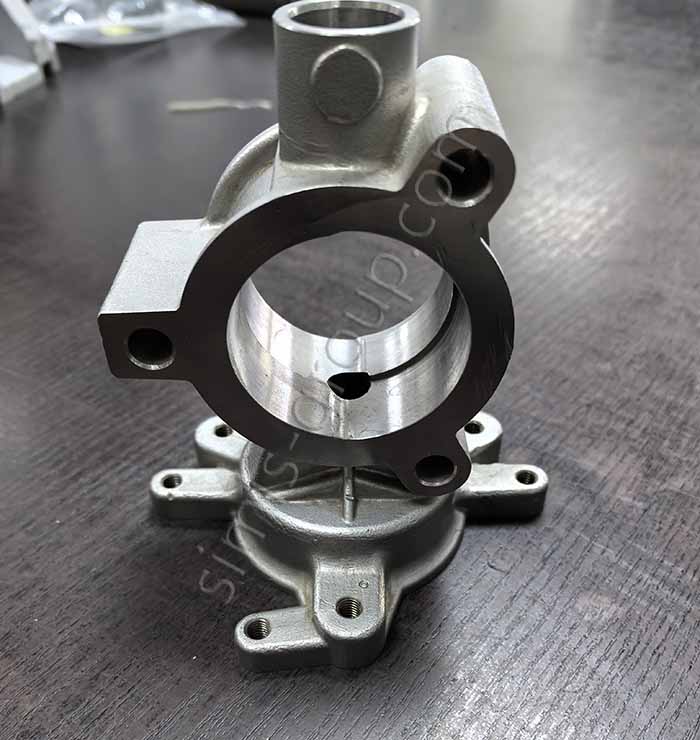
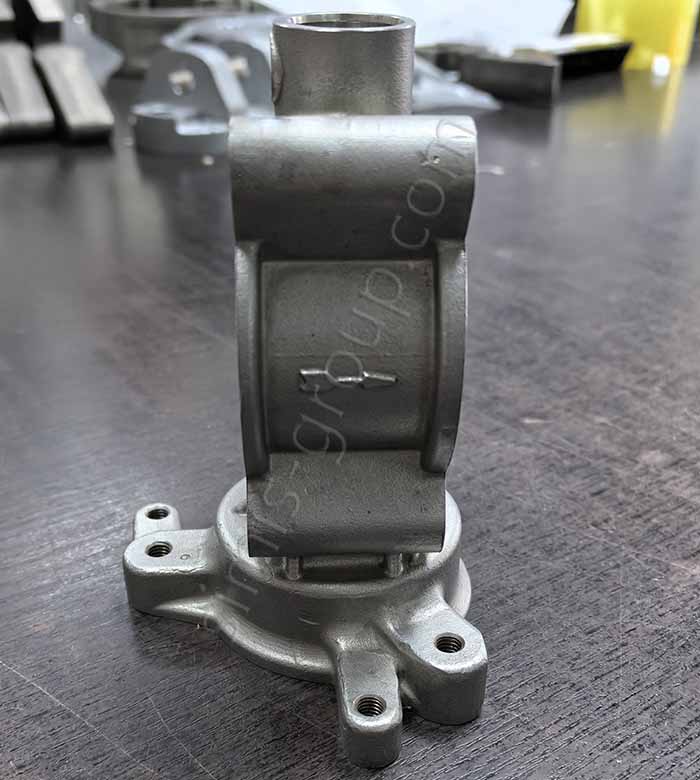
EGR Valve Housing

China Simis Company specializes in the manufacturing of high-performance Exhaust Gas Recirculation Valve Housings for gasoline and diesel engines. The EGR Valve Housing is a critical emissions control component that channels a precise amount of hot exhaust gas back into the engine's intake manifold to reduce combustion temperatures and suppress NOx emissions. The Housing is exposed to extreme temperatures (up to 700°C), aggressive chemical corrosion, and severe thermal fatigue from constant heating and cooling cycles.
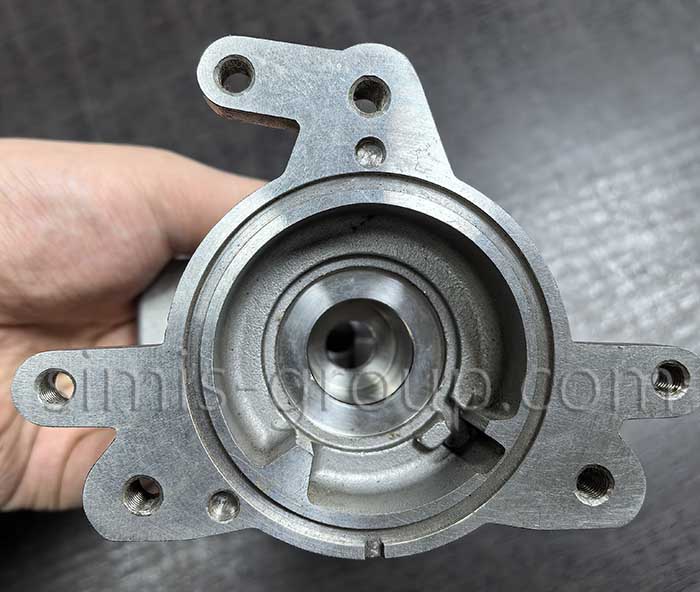
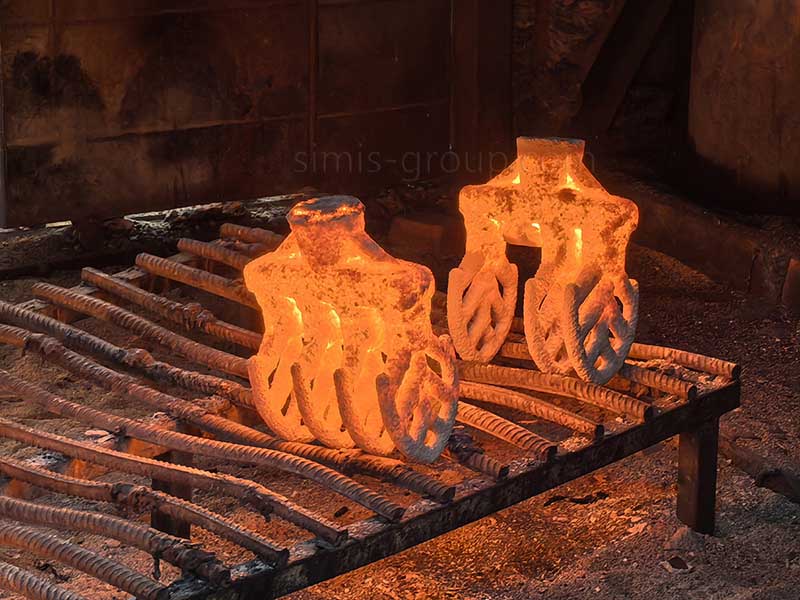
To withstand this harsh environment, the materials must possess excellent high-temperature strength, thermal stability, and oxidation resistance. The primary method is high-precision Investment Casting using Stainless Steel and specialized Alloy Steel. This process is crucial for achieving the internal precision required for valve sealing and for casting high-performance, heat-resistant alloys. Precision CNC Machining is mandatory for all critical sealing faces, valve seats, and actuator mounting points.
What Manufacturing Processes Are Applied to EGR Valve Housings?
Our processes focus on casting high-performance alloys and achieving the geometric precision necessary for valve operation. Each process is selected based on the component's complexity, material grade, and performance requirements to ensure optimal quality and cost-effectiveness.
| Manufacturing Process | Applicable Material Range | Application Focus for EGR Valve Housings | Core Advantage |
| Investment Casting (Lost-wax casting) | Stainless Steel (300/400 Series), Alloy Steel | Primary and essential method for complex EGR Housings requiring high precision and the use of heat-resistant, hard-to-machine alloys. | Achieves excellent surface finish and necessary geometric accuracy for complex internal flow and valve seating areas, minimizing expensive machining. |
| Precision CNC Machining | All Alloys | Mandatory finishing for the valve seat, exhaust gas ports, and the flat mounting flanges for the actuator and engine. | Guarantees the critical flatness, parallelism, and concentricity necessary for leak-free sealing and precise valve movement. |
| Sand Casting | Alloy Steel | Occasionally used for very large industrial EGR Cooler Housings where wall thickness is large and precision is secondary to structural integrity. | Cost-effective for large, non-critical volumes where subsequent machining is heavily required. |
How to Select the Right Material for EGR Valve Housings?
Material choice is overwhelmingly determined by resistance to extreme temperature and corrosion from exhaust condensates. Each material grade is matched to the specific operating environment of the EGR system to ensure long-term reliability.
| Material Type | Core Performance Attributes | Primary Application Scenarios for EGR Valve Housings |
| Stainless Steel | Superior high-temperature oxidation resistance, excellent corrosion resistance (especially to sulfuric acid condensates). | Universal material for all modern gasoline and diesel EGR Valve and cooler Housings. |
| Alloy Steel | High strength at elevated temperatures; used when specific thermal expansion or creep resistance properties are needed. | Used for high-stress areas or specialized valve components where specific heat treatments are required. |
| Copper Alloy | Excellent thermal conductivity; used for internal valve components (e.g., valve guide) to quickly dissipate heat. | Used for small, internal wear components where rapid heat transfer is beneficial. |
What Are the Critical Engineering Performance Demands for EGR Valve Housings?
EGR Housing performance hinges on thermal stability, durability, and accurate valve function. These performance metrics directly determine the efficiency of the emissions control system and the reliability of the engine.
·Thermal Stability & Fatigue:
The Housing must resist warping and cracking due to rapid and extreme temperature fluctuations (thermal cycling fatigue) without compromising the valve's sealing integrity.
·Corrosion Resistance:
The material must resist the corrosive attack from acidic water vapor, soot, and other condensates present in the cooled exhaust gas.
·Valve Seating Precision:
The valve seat geometry must be exceptionally precise to ensure the valve closes tightly, preventing unwanted EGR flow at idle.
·Actuator Alignment:
The mounting interface for the electric or vacuum actuator must be perfectly aligned to ensure smooth, low-friction operation of the internal valve stem.
What Quality Assurance Measures Are Implemented for EGR Valve Housings?
QA protocols ensure the Housing meets the extreme environmental and geometric demands. Our quality control process covers every stage from raw material inspection to final product testing.
·Dimensional Certification (CMM):
CMM inspection verifies critical dimensions, particularly the parallelism and concentricity of the valve guide and seat, and the flatness of the mounting flanges.
·Internal Integrity NDT:
X-ray testing is often performed on Investment Cast parts to verify the integrity and density of the high-performance alloy structure.
·Leak Testing:
Mandatory pressure decay or vacuum testing is performed to ensure the housing does not leak exhaust gas or vacuum pressure, which would compromise engine control.
·Metallurgical Analysis:
Confirms the Stainless Steel composition meets specifications for high-temperature service and resistance to intergranular corrosion.
What Are the Key Application Areas for EGR Valve Housings?
These components are essential for meeting modern NOx emissions standards across most internal combustion engine platforms. Each application sector has unique performance requirements that our customized solutions are designed to address.
| Application Sector | Typical Component | Core Performance Needs | Simis Material/Process Focus |
| Automotive OEM | Cooled/Uncooled EGR Valve Housing, EGR Cooler End Caps. | High Reliability, Thermal Fatigue Resistance, High-Volume Precision. | Stainless Steel (Investment Casting). |
| Heavy-Duty Diesel | Large EGR Valve Housings for Commercial Trucks and Buses. | Maximum Durability, Resistance to Soot Buildup, Extreme Temperature. | Stainless Steel (Investment Casting/Sand Casting). |
| Marine Engines | EGR Systems for Marine Diesel Engines. | Superior Resistance to Saltwater Condensation and Corrosion. | Specialty High-Corrosion Resistant Stainless Steel (Investment Casting). |
| Industrial Equipment | Off-Road and Generator Set Engines. | Long Service Life, Robustness against Thermal Cycling. | Stainless Steel (Investment Casting). |
How to Get a Quote for Custom EGR Valve Housings?
China Simis Company is your specialized partner for Custom high-performance EGR Valve Housings, offering advanced Investment Casting and CNC machining solutions using Stainless Steel to meet the critical demands of extreme temperature, corrosion resistance, and valve seating precision. To obtain a detailed and accurate quotation for your custom EGR Valve Housing project, please provide the following technical documentation and specifications to our professional engineering team:
2D technical drawings or 3D CAD models with complete GD&T (Geometric Dimensioning and Tolerancing), including critical requirements for valve seat flatness, concentricity of exhaust ports, and actuator mounting interface tolerances
Specified material grade (e.g., 316L Stainless Steel, Alloy Steel 410) and required heat treatment processes (e.g., solution annealing, quenching and tempering)
Detailed application information: engine type (gasoline/diesel/marine), maximum operating temperature, and expected exhaust gas composition
Emissions compliance standards (e.g., Euro VI, EPA Tier 4) that the component must meet
Annual production volume, target delivery timeline, packaging requirements, and shipping destination
Our engineering team will conduct a comprehensive feasibility analysis, provide material and process optimization recommendations, and deliver a full quotation package covering unit pricing, tooling costs, production lead time, quality inspection plans, and global logistics solutions.