Custom Overhead Conveyor Chain Manufacturer
Overhead Conveyor Chain

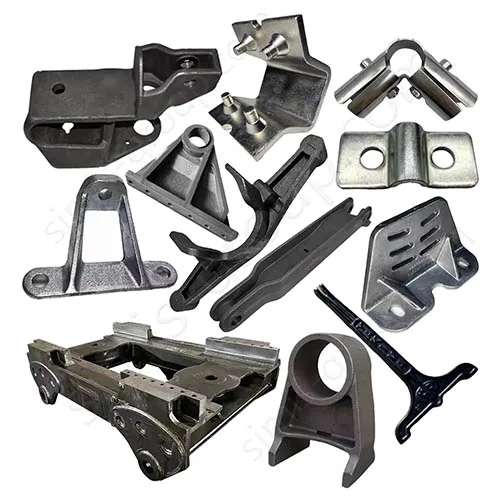
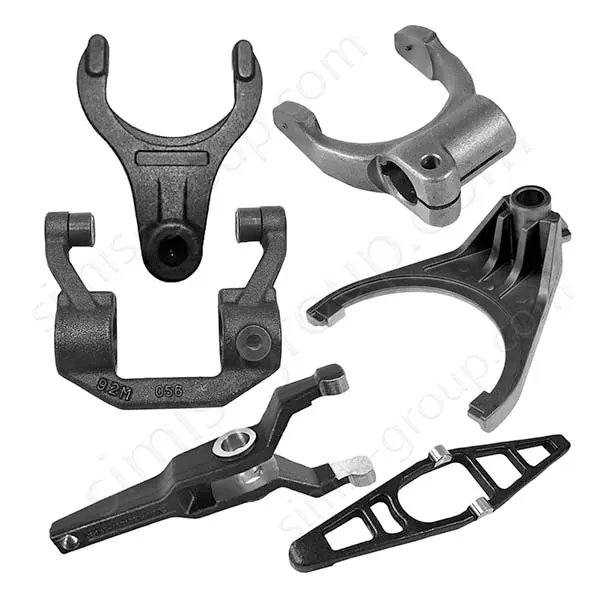
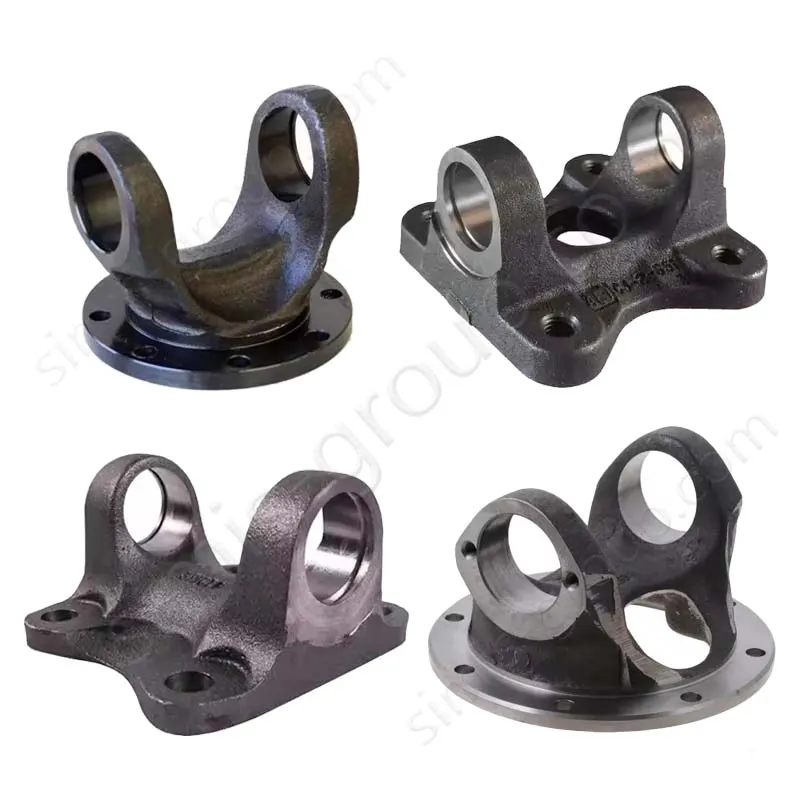
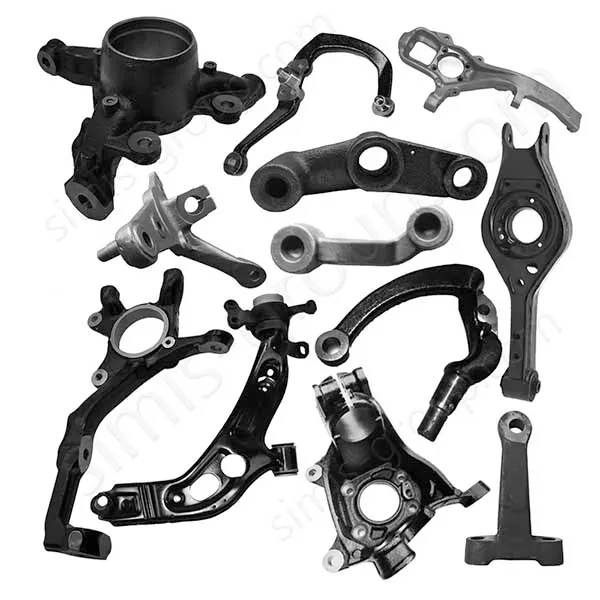
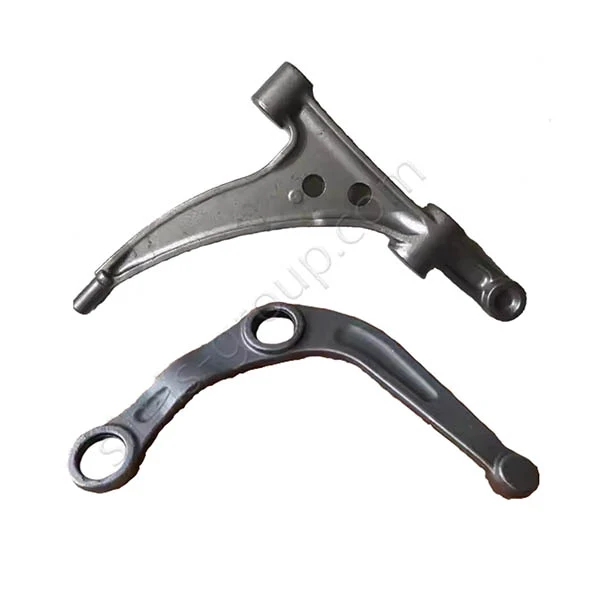
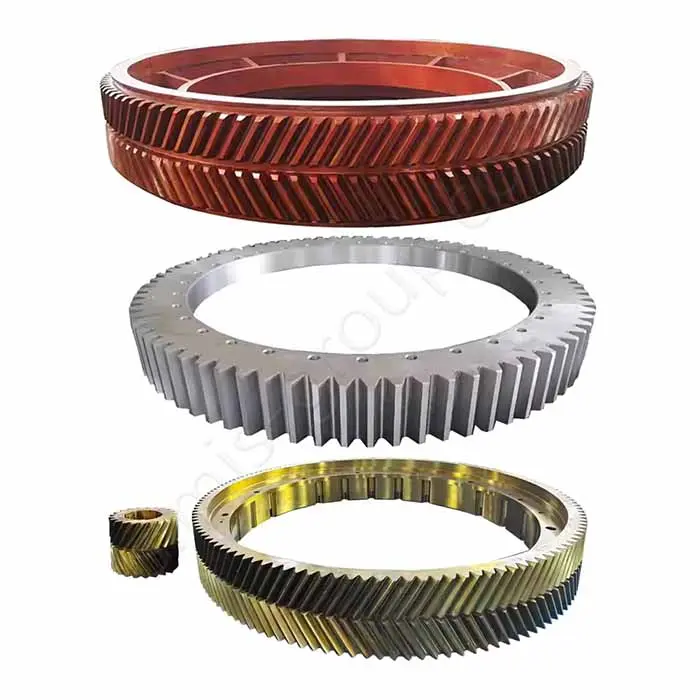
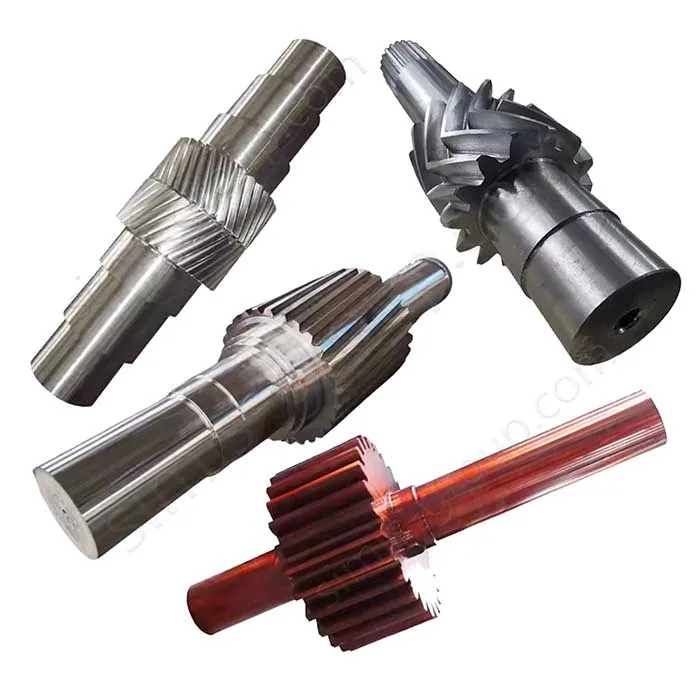
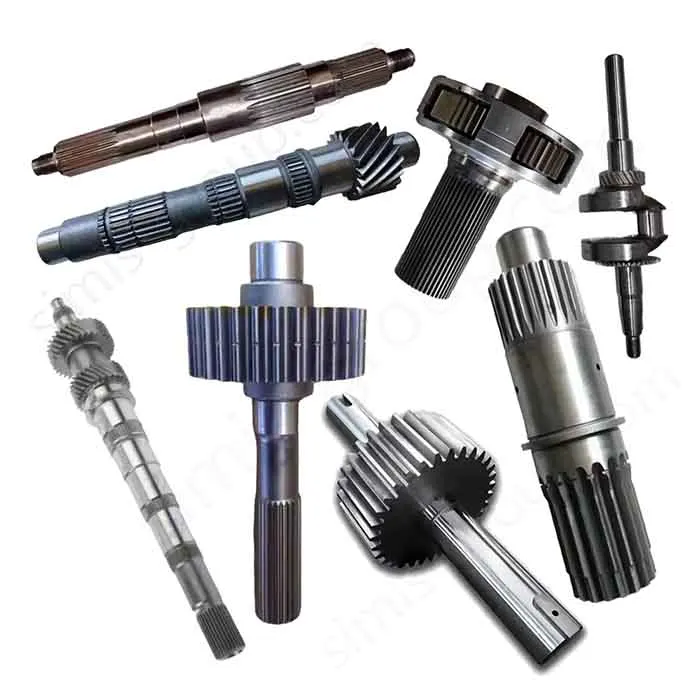
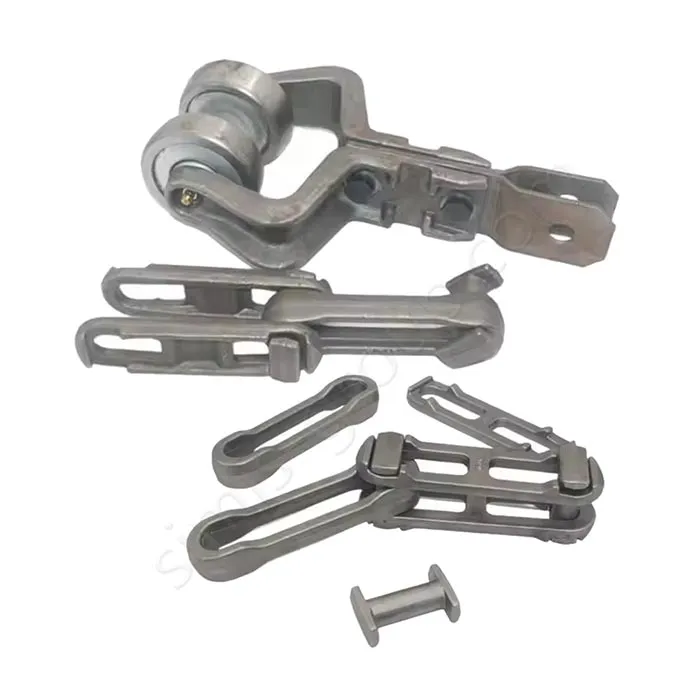
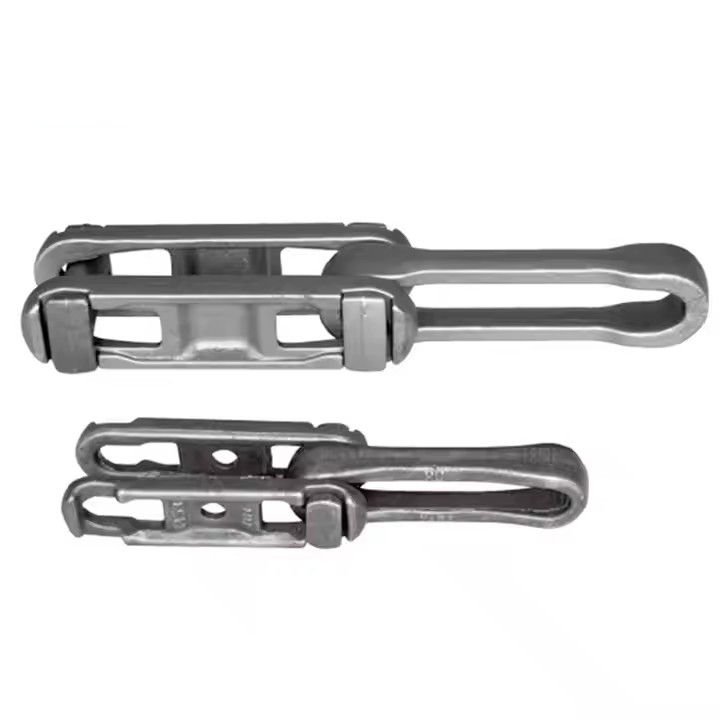
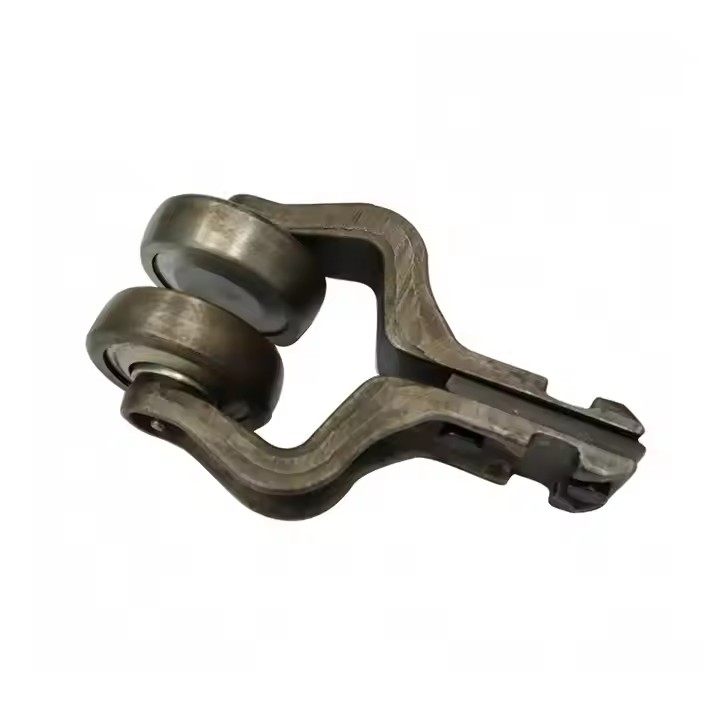
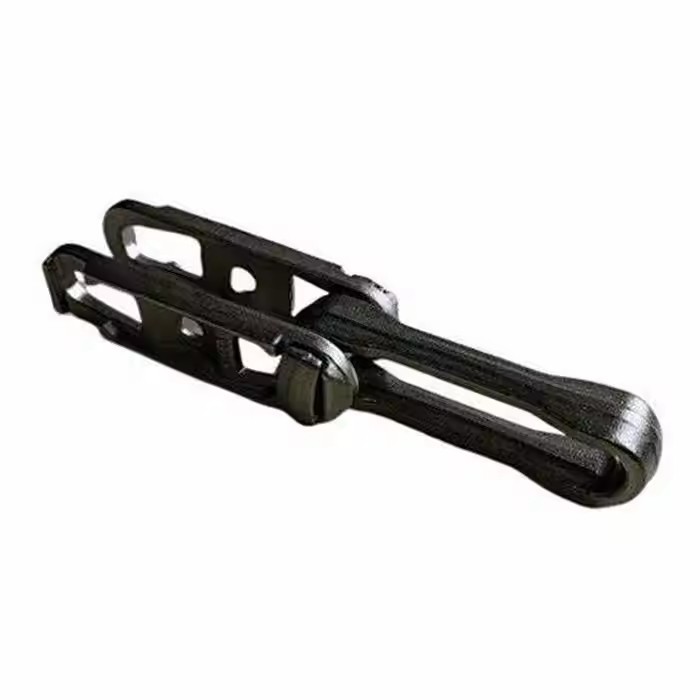
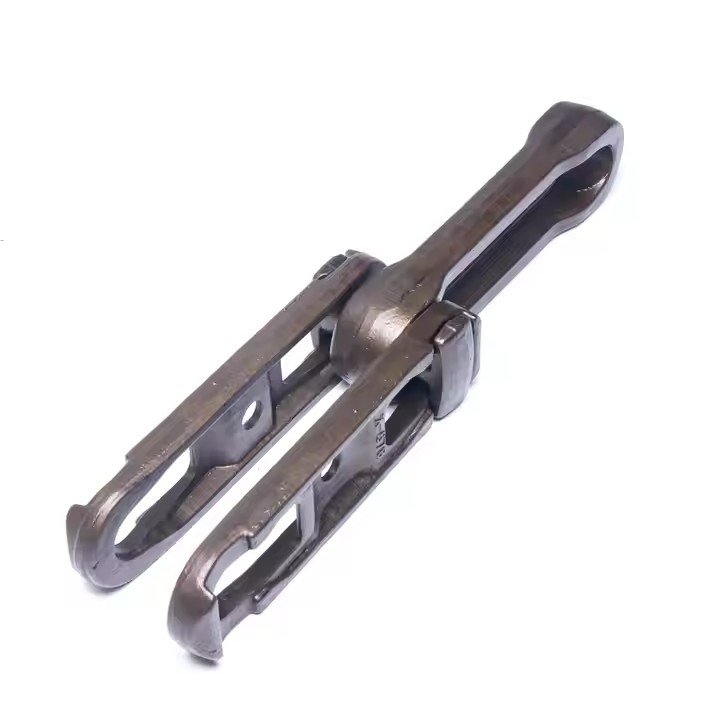
China Simis Company specializes as an OEM custom manufacturer of high-performance Overhead Conveyor Chain Components, including trolley assemblies, forged links, hanger yokes, and load hooks. These parts are the foundation of automated production lines, subjecting them to continuous cyclical tensile loads, abrasion, and friction throughout their operational life. Reliability is paramount to prevent costly line stoppages.
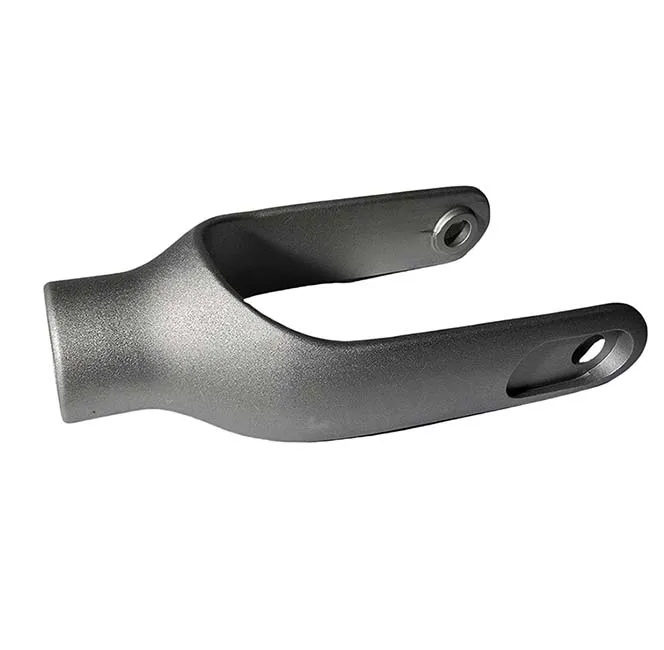
We utilize Precision Forging for critical load-bearing components (links, hooks) to maximize fatigue strength, and specialized Casting (Steel/Ductile Iron) for complex trolley bodies and brackets. Our focus is on certified wear resistance via specialized material grades and Heat Treatment, ensuring maximum uptime for systems in demanding sectors like automotive and logistics.
What Are the Manufacturing Processes for Overhead Conveyor Chain Component?
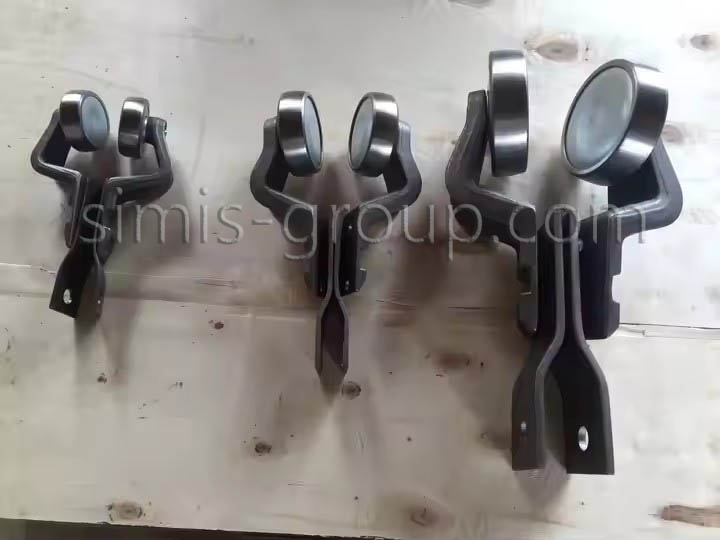
The selection of casting or forging is determined by the component's role: maximizing strength for dynamic loads or achieving complex geometry for guiding/mounting. We adopt 4 core processes including Precision Forging, Casting, Heat Treatment and Precision Machining to meet different overhead conveyor chain component production needs.
| Manufacturing Process | Component Focus | Material Focus | Key Advantage for Conveyor Performance |
Precision Forging | Chain Links, Hooks, Trolley Yokes. | Alloy Steel, Carbon Steel. | Maximizes Fatigue Life. The aligned grain flow is essential for links and hooks subjected to constant tensile and bending stress. |
Casting (Sand/Investment casting/Lost Foam Casting) | Trolley Bodies, Brackets, Non-Critical Links. | Ductile Iron (A536), Cast Steel, Stainless Steel. | Cost-effective for complex shapes (e.g., integrated trolley arms) where features cannot be achieved by forging. lost foam casting is leveraged for Ductile Iron parts. |
| Heat Treatment (Hardening) | Pins, Rollers, High-Wear Surfaces. | Alloy Steel (Carburizing), Carbon Steel (Induction Hardening). | Critical for Wear Resistance. Creates an extremely hard surface to resist abrasion and friction while maintaining a tough core to absorb shock loads. |
| Precision Machining | Roller Bores, Pin/Link Connections. | All Materials. | Essential for achieving the precise dimensions and alignment required for smooth, quiet running, particularly through sharp turns and inclines. |
How to Select Overhead Conveyor Chain Component Materials?
Material selection must balance high hardness for friction/wear resistance with corrosion resistance demanded by specific environments. We provide 4 main material types including Alloy Steel, Carbon Steel, Stainless Steel and Ductile Iron for overhead conveyor chain component production, each with specific performance advantages matching different application requirements.
| Material Type | Primary Performance Requirement | Typical Conveyor Component & Service |
| Alloy Steel (AISI 8620, 4140) | Highest Strength, Excellent Hardenability for Wear Resistance. | Pins, Rollers, Critical Links in automotive paint lines and heavy-duty assembly conveyors. |
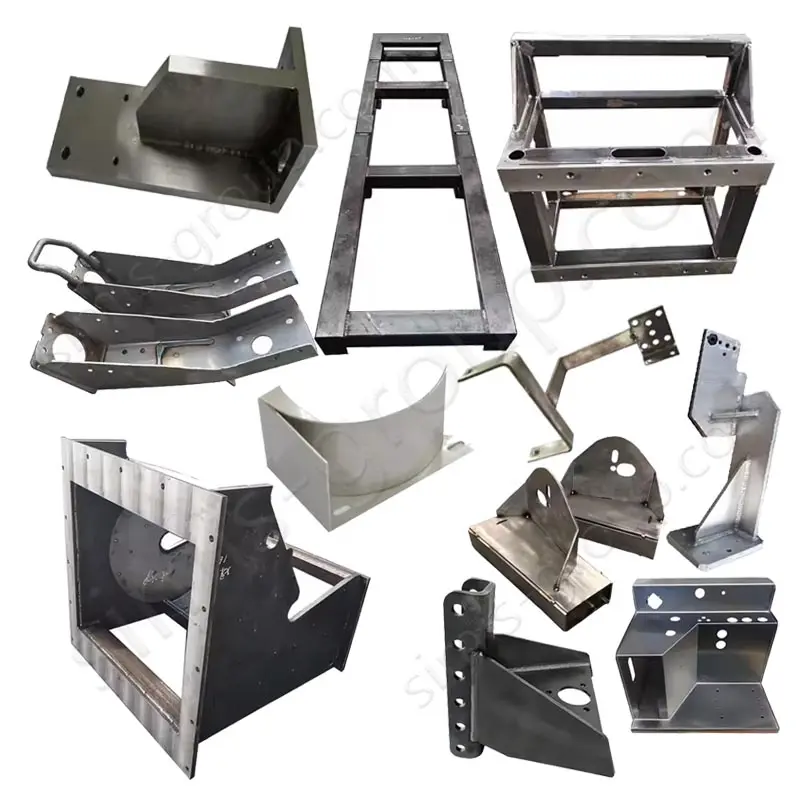
| Carbon Steel (AISI 1045) | Good Balance of Strength and Cost. | General-purpose links, track brackets, and non-critical trolley components in warehousing. |
| Stainless Steel (304, 316) | Corrosion Resistance and Hygiene. | Links, Hooks, Trolleys in food processing, packaging, and electronic manufacturing (cleanroom/washdown environments). |
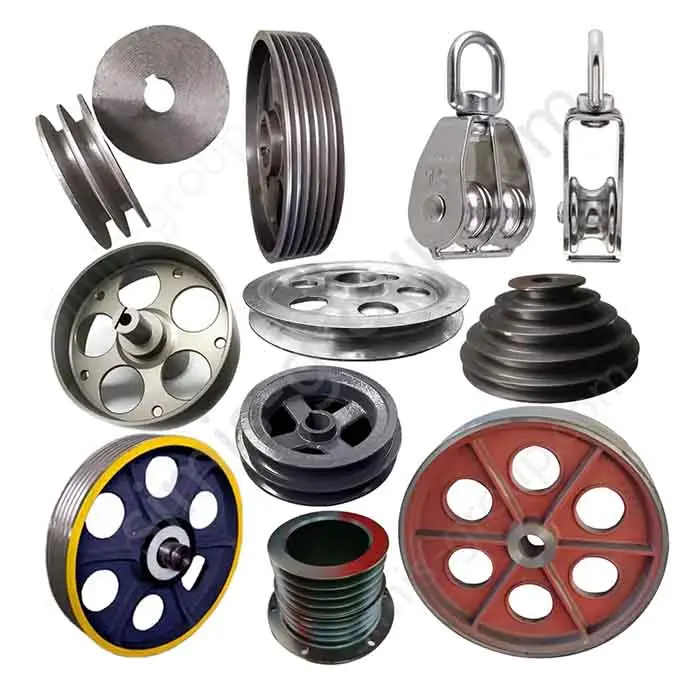
| Ductile Iron (ASTM A536) | Good Impact Toughness, Cost-Effective. | Trolley bodies, complex brackets, and hangers for general industrial conveyors. |
What Measures Ensure Overhead Conveyor Chain Component Quality Assurance and Reliability Certification?
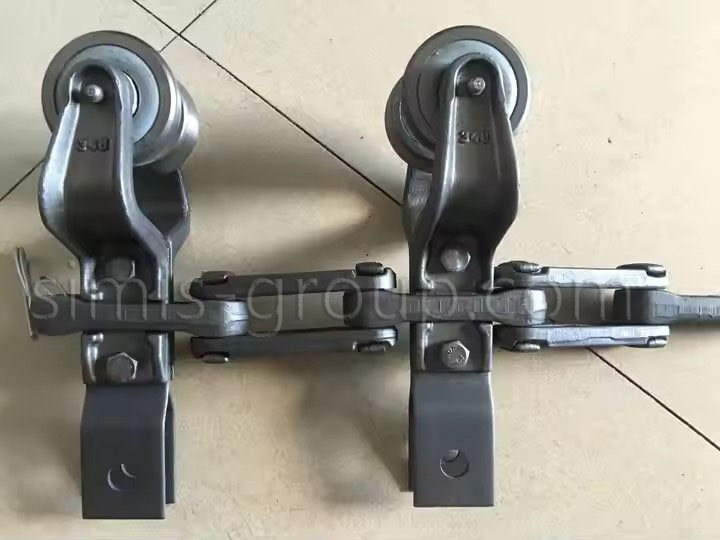
Reliability in conveyor systems is defined by the components' ability to withstand millions of cyclical movements without failure. Our core quality assurance measures include Fatigue Testing, Surface Hardness Verification, Dimensional Consistency Control and NDT (Non-Destructive Testing) to guarantee each overhead conveyor chain component meets strict industry standards.
·Fatigue Testing:
Critical forged links and trolley yokes undergo Cyclical Tensile Fatigue Testing to verify the calculated lifespan under maximum operating loads.
·Surface Hardness Verification:
Post-heat treatment, Hardness Testing (HRC) is mandatory on rollers and pins to confirm adequate case depth and hardness for long-term wear resistance.
·Dimensional Consistency:
Statistical Process Control (SPC) and CMM verification ensure the consistent pitch and pin bore dimensions required for precise link-up and smooth tracking.
·NDT (Non-Destructive Testing):
MPI (Magnetic Particle Inspection) or LPI (Liquid Penetrant Inspection) is performed on critical load-bearing components (forged hooks, yokes) to ensure surface integrity before deployment.
What Are the Key Applications for Simis Overhead Conveyor Chain Components?
Our components are engineered for the harsh realities of high-volume manufacturing and logistics, covering automobile manufacturing, food processing & packaging, logistics & warehousing and electronic manufacturing sectors.
·Automobile Manufacturing:
E-coat and paint shop lines, assembly line trolleys and skillet systems, requiring high cleanliness and durability.
·Food Processing & Packaging:
Stainless steel chains and hooks for washdown areas, requiring superior corrosion resistance and hygiene standards.
·Logistics & Warehousing:
Heavy-duty accumulation conveyors, sortation systems, and bulk handling mechanisms.
·Electronic Manufacturing:
Cleanroom-compatible components requiring minimal dusting and high precision.
What Are the Advantages of Simis OEM Custom Manufacturing Overhead Conveyor Chain Components?
Partnering with Simis ensures maximum uptime and component life in automated production systems:
·Forging for Maximum Fatigue:
We utilize Precision Forging for all high-stress tension members (links, pins) to deliver the longest possible cyclical fatigue life, significantly reducing the risk of unexpected line failure.
·Certified Wear Resistance:
Our in-house Heat Treatment capability guarantees the precise surface hardness and case depth on pins and rollers required to survive constant abrasion and friction.
·Process Adaptability:
We combine the structural integrity of Forging (for strength) with the geometric flexibility of Casting (for complex brackets/trolleys), optimizing cost and performance based on the component's function.
·Dimensional Reliability:
Strict control over pitch, bore alignment, and overall assembly tolerance ensures smooth, quiet component engagement and reliable tracking through the entire conveyor loop.
How to Get a Quote for Custom Overhead Conveyor Chain Components?
China Simis Company is your expert global partner for custom forging and casting conveyor chain components, engineered for superior wear, exceptional fatigue resistance, and system reliability.
Please submit your 2D technical drawings, CAD models, and specific requirements for required WLL (Working Load Limit), operating speed, material grade, required HRC on pins/rollers, and environmental conditions (e.g., washdown, high temperature) to our engineering department for a consultation and detailed quotation.