Custom Scraper Conveyor Chain Manufacturer
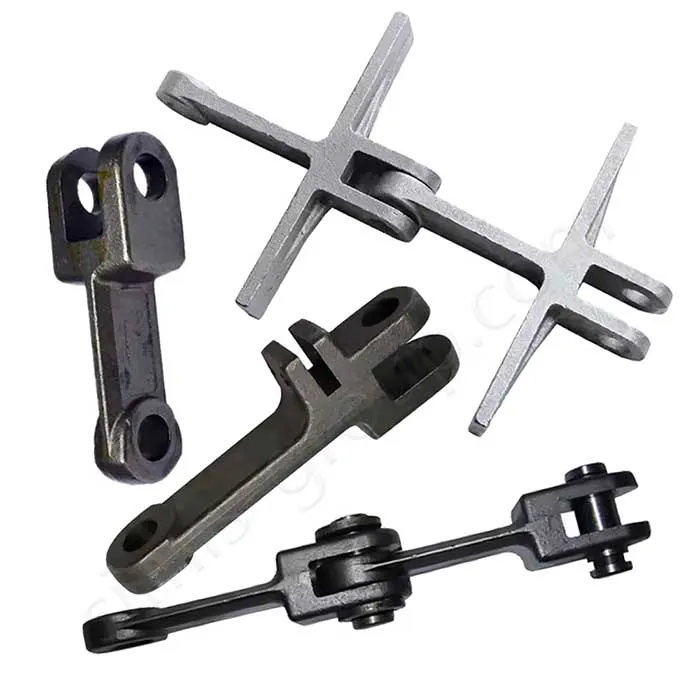
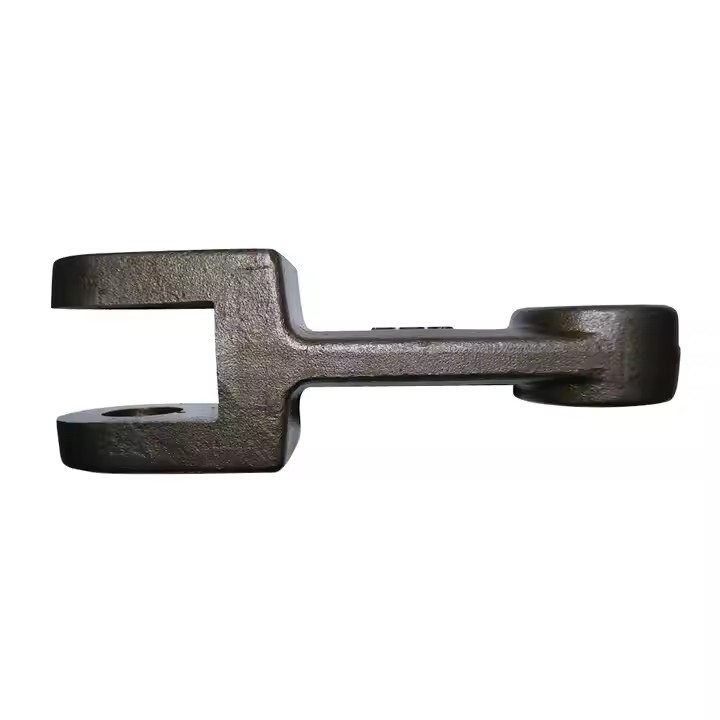
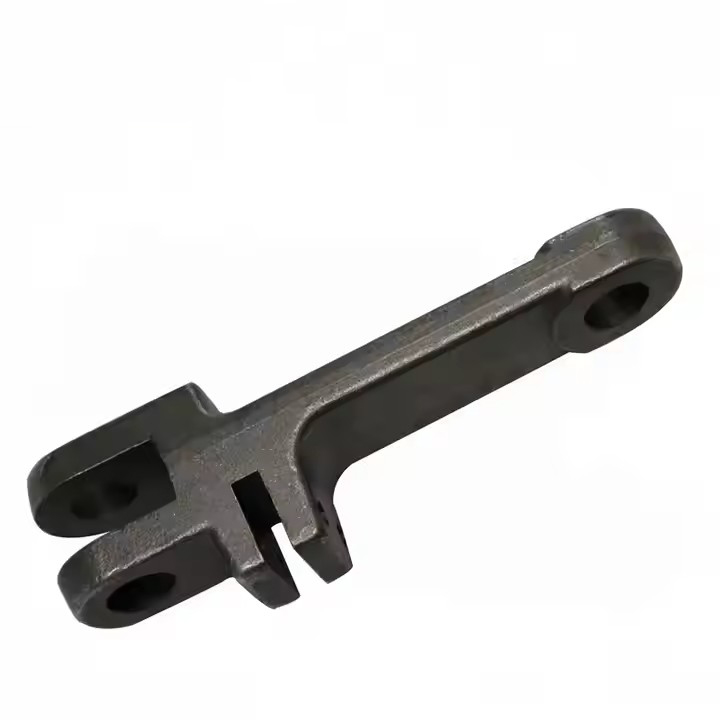
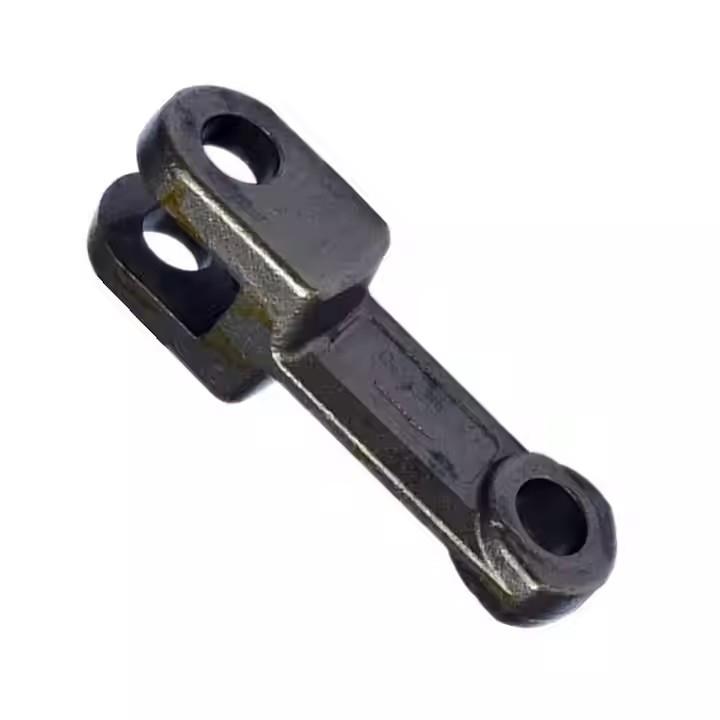
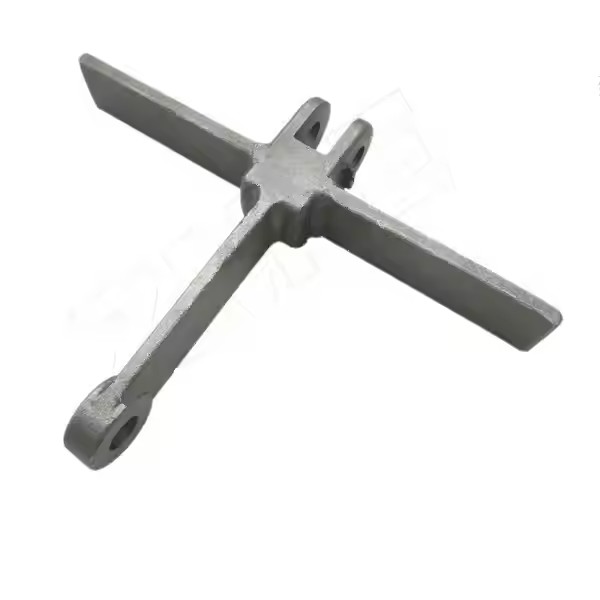
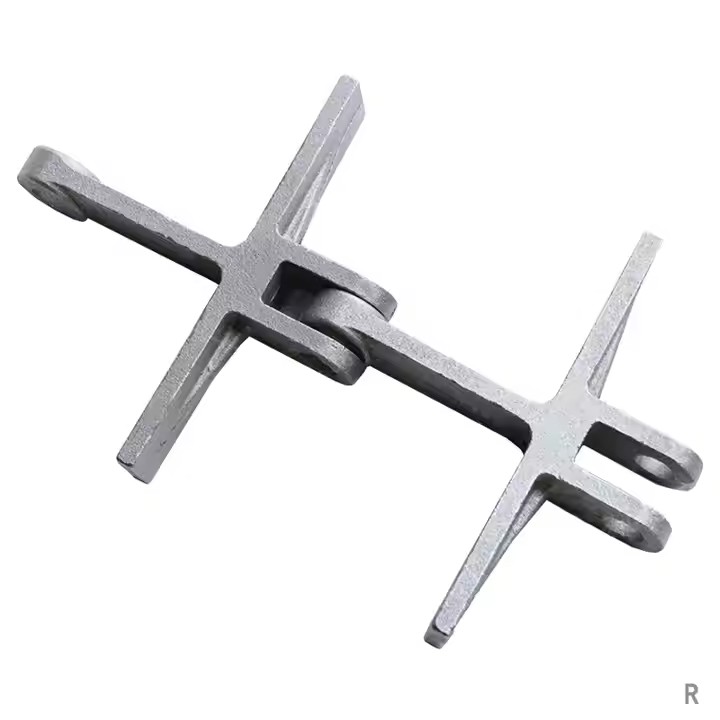
Scraper Conveyor Chain

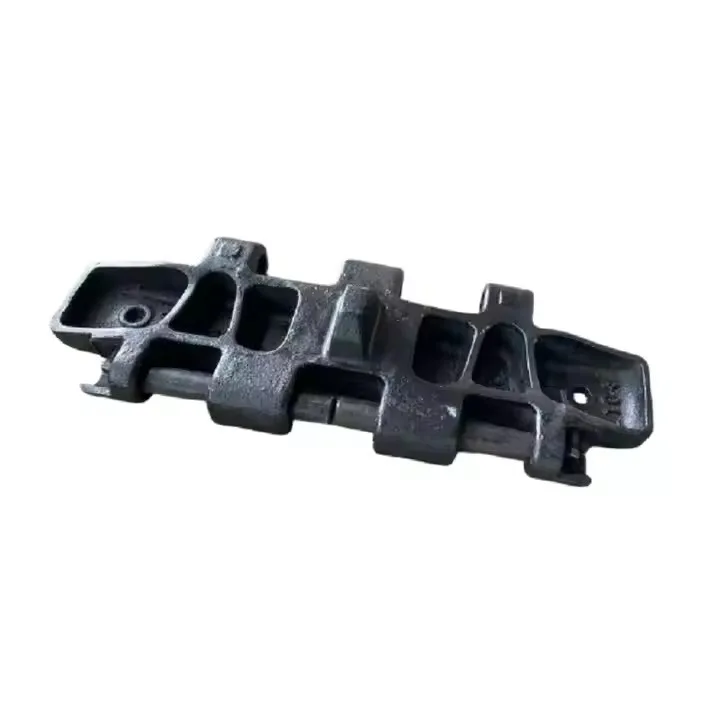
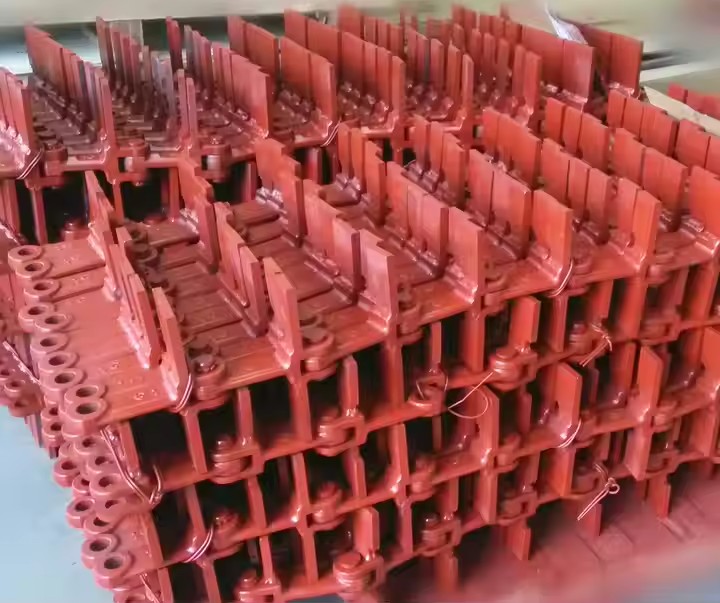
China Simis Company is a specialized OEM custom manufacturer of Heavy-Duty Alloy Steel Scraper Conveyor Chains designed for handling bulk, abrasive materials in harsh industrial environments. These chains are safety-critical elements subjected to extreme pulling tension, high cyclical fatigue across the pin/link joint, and severe abrasion from materials like coal, cement, ore, and ash.
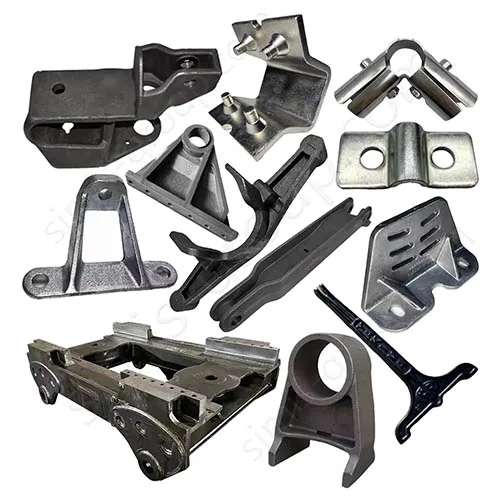
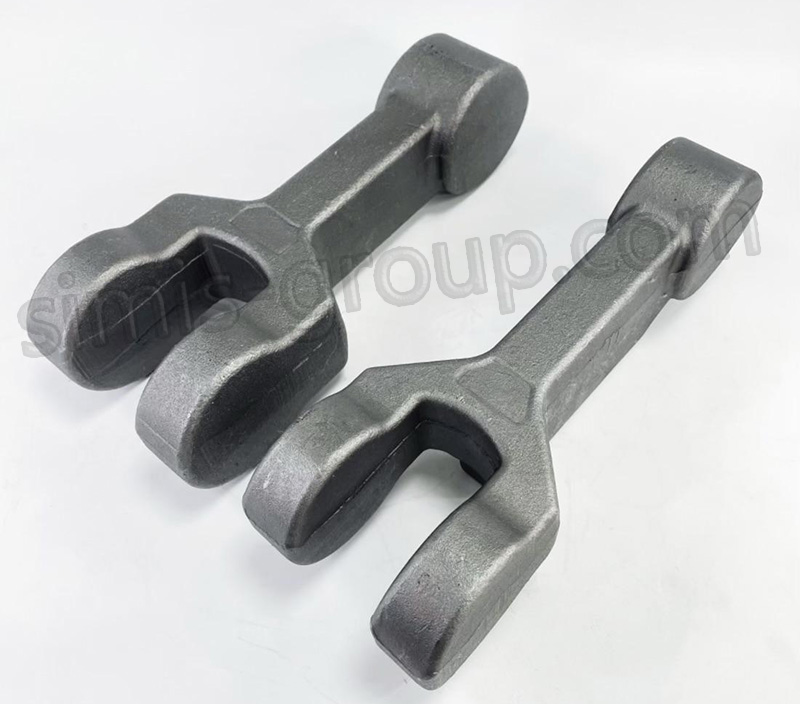
We utilize Drop Forging (Closed-Die Forging) for individual links to optimize grain flow and High-Frequency Induction Hardening to create a wear-resistant outer shell while maintaining a ductile core. Our chains are engineered to minimize elongation and maximize the service life of your material handling systems.
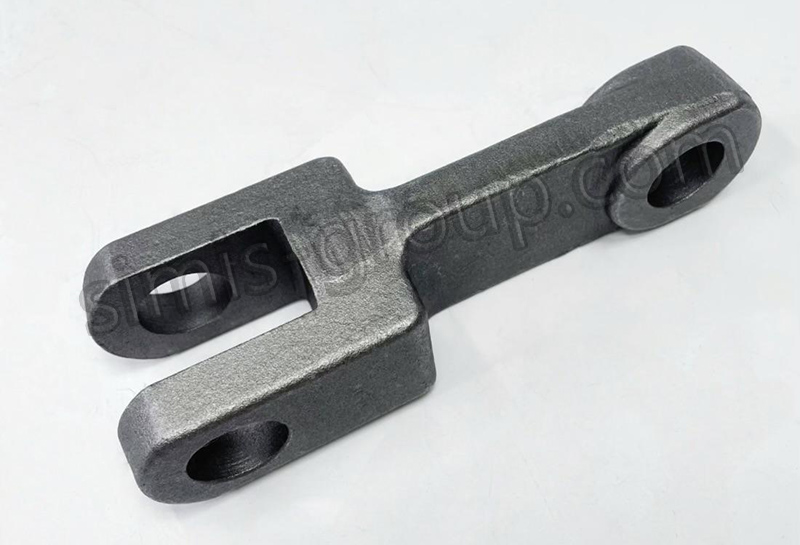
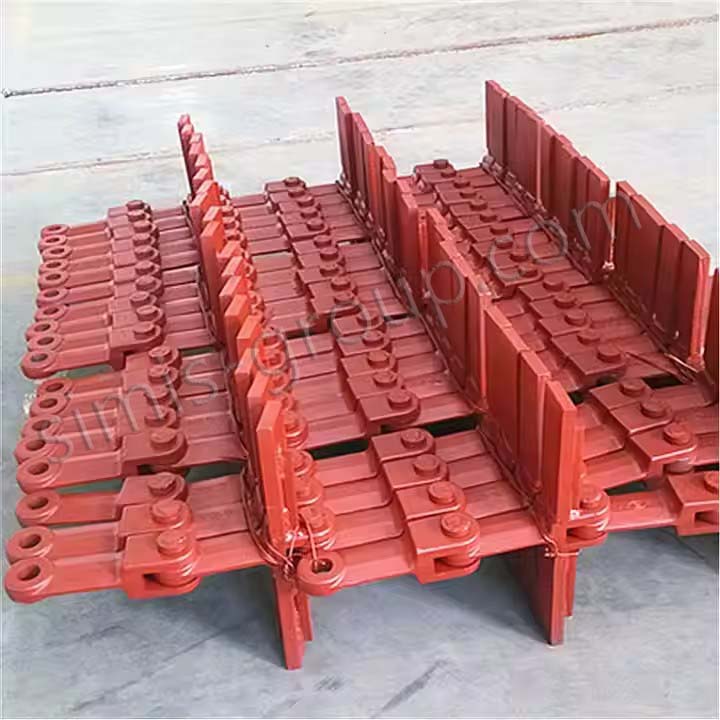
What are the components of a scraper conveyor chain?
| Component Type | Primary Function | Stress Profile | Ideal Process/Material Focus |
| Chain Links | Bearing tension and structural connection. | High Tensile Load, Cyclical Fatigue. | Forged Alloy Steel (Heat Treated). |
| Pins and Bushings | Articulation point and wear surface. | Friction, Shear, High Surface Abrasion. | Forged/Machined Alloy Steel (Case Hardened). |
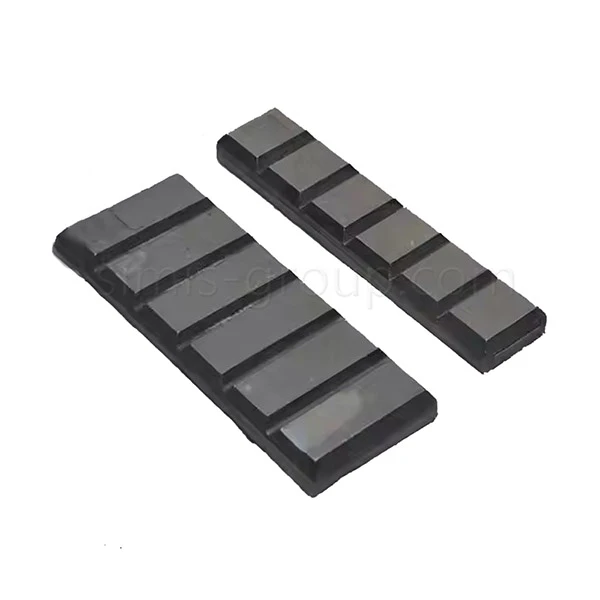
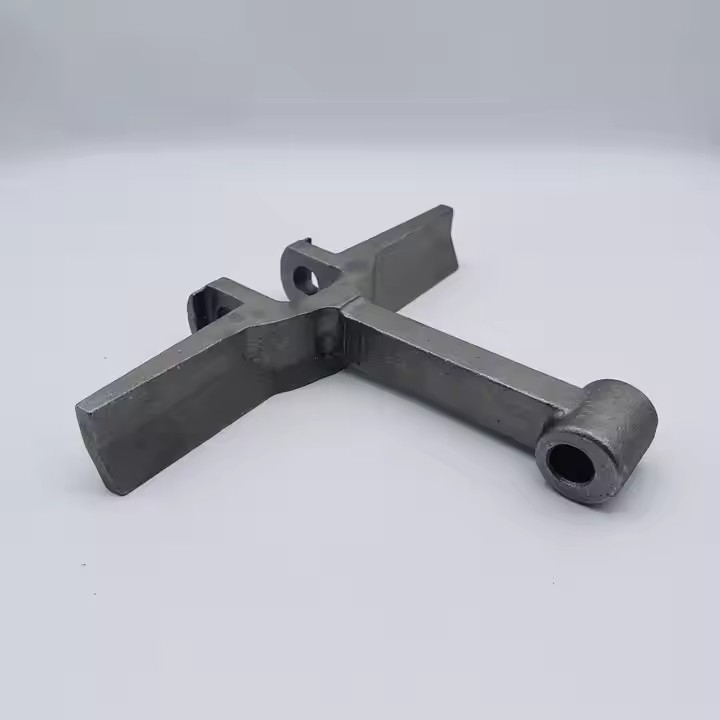
| Scraper Flights | Bulk material movement. | Extreme Abrasion, Impact Load. | Hardox / Manganese Steel. |
| Sprocket Teeth | Power transmission interface. | High Impact and Shear Force. | Cast Alloy Steel or Forged Steel (Surface Hardened). |
What Are the Key Manufacturing Processes for Scraper Conveyor Chain?
The process must deliver superior core strength to resist sudden tension failure and high surface hardness to resist prolonged abrasion. We adopt 4 core processes including Precision Closed Die Forging, Precision CNC Machining, Induction/Case Hardening and Plasma/Laser Cutting to meet the performance requirements of heavy-duty scraper conveyor chains.
| Manufacturing Process | Component Focus | Material Focus | Key Advantage for Scraper Chain Performance |
| Precision Closed Die Forging | High-tensile scraper links, Pins, Connecting Rods, Critical Fasteners. | Alloy Steel (20CrMnTi / 40Cr / 42CrMo.). | Grain Refinement. Forging eliminates internal voids, providing superior fatigue strength compared to cast or welded chains. |
| Precision CNC Machining | Pin holes and link mating surfaces. | Alloy Steel. | Pitch Accuracy. Ensures perfect synchronization with drive sprockets, reducing vibration and uneven wear. |
| Induction / Case Hardening | Links, pins, and bushes. | Heat-treatable alloys. | Surface Hardness (HRC 55-60). Provides a hard "armor" against abrasion while the core remains tough to absorb shock loads. |
| Plasma/Laser Cutting | Scraper attachments (flights). | AR400 / AR500 Wear Plates. | Custom Geometry. Allows for bespoke scraper shapes tailored to specific material densities (grain, coal, cement). |
How to Select Scraper Conveyor Chain Materials?
The metallurgical challenge is providing sufficient surface hardness to fight abrasion while maintaining enough core toughness to prevent brittle fracture under shock load and tension. We provide 4 main material types including Alloy Steel, Ductile Iron, High Chromium Cast Iron and Stainless Steel, each matching different component performance requirements.
| Material Type | Primary Performance Requirement | Typical Chain Component & Service |
| Alloy Steel (AISI 4140, 4340) | Maximum Tensile Strength, High Fatigue Life, Hardenability. | Forged Links and Pins in long, high-tension mining conveyors. |
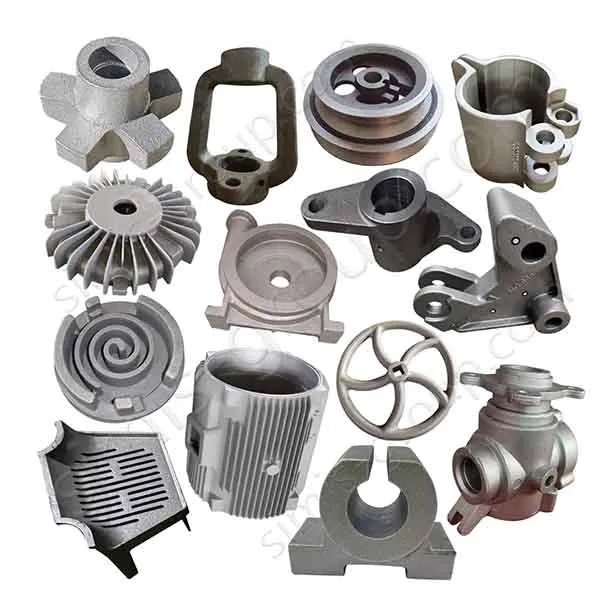
| Ductile Iron (ADI) | Excellent Wear Resistance, Good Shock Absorption, Cost-Effective. | Cast Scrapers/Flights and Heavy Conveyor Links in cement/aggregate handling. |
| High Chromium Cast Iron | Extreme Surface Abrasion Resistance. | Cast Scrapers used in applications where material hardness is the primary cause of wear (e.g., handling ore or clinker). |
| Stainless Steel (304, 316) | Corrosion and Chemical Resistance. | Links and Scrapers used in fertilizer, water treatment, or chemical processing plants. |
What Quality Assurance Measures Ensure Scraper Conveyor Chain Reliability?
QA focuses on ensuring the chain will withstand its rated load (tensile strength) and achieve its specified service life (fatigue and wear resistance). Our core quality assurance measures include Tensile Load Testing, Fatigue Testing, Hardness Profile Mapping, Non-Destructive Testing and Dimensional Fit Verification to guarantee each chain meets industry standards.
·Tensile Load Testing:
Mandatory destructive testing on sample chains and links to verify the actual break strength meets or exceeds the specified safety factor (often 5:1 or 6:1 static safety factor).
·Fatigue Testing:
Cyclical testing of pin/link assemblies to predict the service life and identify potential failure points under repetitive stress.
·Hardness Profile Mapping:
Verification of the case depth and surface hardness (e.g., HRC 58-62) on pins and bushings to guarantee wear life.
·Non-Destructive Testing (NDT):
Magnetic Particle Inspection (MPI) is used on critical forged components (pins, links) to detect surface or near-surface cracks before assembly.
·Dimensional Fit:
CMM verification of pitch length and pin hole concentricity, critical for smooth sprocket engagement and overall chain longevity.
What Are the Key Application Areas for Scraper Conveyor Chains?
Our custom scraper conveyor chains are utilized in industries where material handling is fundamental and operational failure is costly and hazardous.
| Application Sector | Conveyed Materials | Primary Component Challenge | Material/Process Highlight |
| Mining & Coal | Coal, Ore, Aggregates, Rock. | Extreme Abrasion, High Torsional Load, Long Lengths. | Alloy Steel Forging for links; High Manganese Steel Casting for scrapers. |
| Cement, Ash & Power Plants | Hot Clinker, Cement Dust, Boiler Ash. | High Temperature, Fine Particle Abrasion, Chemical Attack. | Cast Ductile Iron or Cast Steel (Sand) for durability in thermal cycling environments. |
| Waste Treatment & Recycling | Garbage, Sludge, Chemical Waste. | Severe Corrosion, Impact from Unsorted Materials, Chemical Resistance. | Stainless Steel (304/316) Links and Pins or specialized protective coatings. |
| Fertilizer & Grain Processing | Chemical Powders, Granules, Agricultural Bulk. | Chemical Corrosion, High Hygiene Requirements (for feed/food), Abrasion. | Stainless Steel Casting/Forging (316L) for chemical resistance and cleanliness. |
What Are the Advantages of Simis OEM Custom Scraper Conveyor Chains?
Simis delivers high-performance scraper chains engineered for maximum productivity, minimizing elongation, and resisting catastrophic failure in abrasive, high-tension operations.
·Certified High Tensile Strength:
We utilize precision forging and controlled heat treatment to guarantee the necessary structural integrity for operation under maximum load.
·Maximum Wear Life:
We strategically combine forged pins with case hardening and high-chromium cast scrapers (via Sand Casting) to create a chain system optimized for extreme abrasion environments.
·Process Versatility:
The ability to offer both forging (for high-stress links) and Sand Casting (for complex, wear-resistant scrapers) ensures we select the optimal manufacturing method for every component in the system.
·Fatigue Resistance:
Detailed testing and NDT on all critical joints ensure our chains exhibit minimal elongation over time, reducing maintenance and extending service cycles.
How to Get a Quote for Custom Scraper Conveyor Chains?
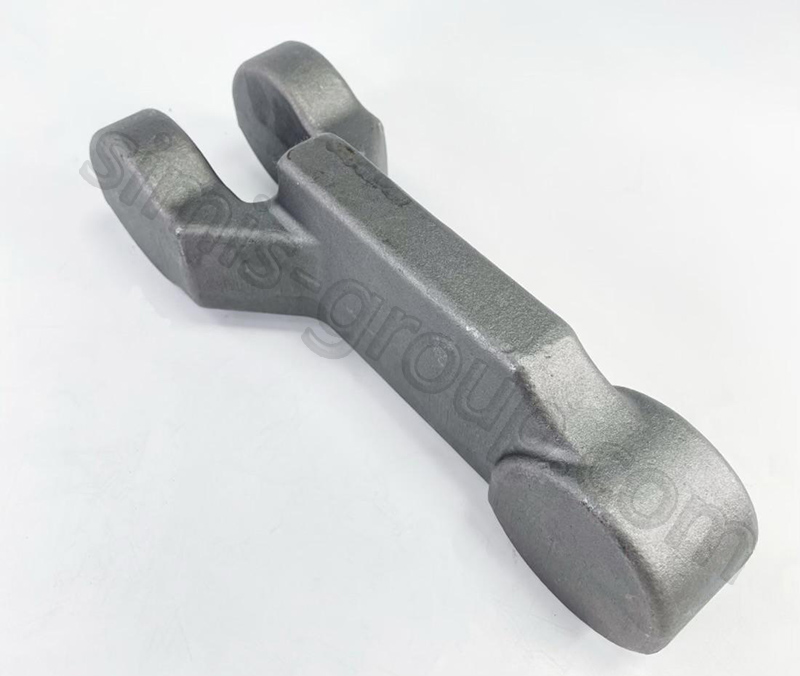
China Simis Company is your expert global partner for custom casting and forging Scraper Conveyor Chains (Steel forging services), engineered for extreme wear resistance, certified high tensile fatigue life, and reliable operation in the harshest industrial environments.
Please submit your 2D technical drawings, CAD models, required material grade (e.g., 4140 or 316 SS), minimum ultimate tensile strength (lbs or kN), specified surface hardness (e.g., HRC 60), and the operating environment/material type to our engineering department for a consultation and detailed quotation.