Custom Gas Stove Burner Parts Manufacturer
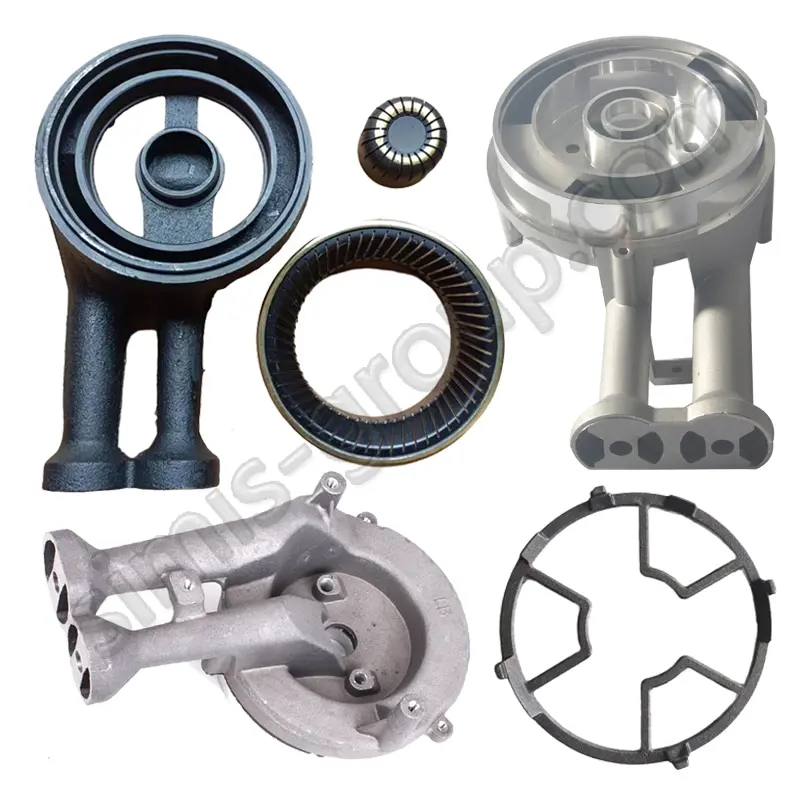
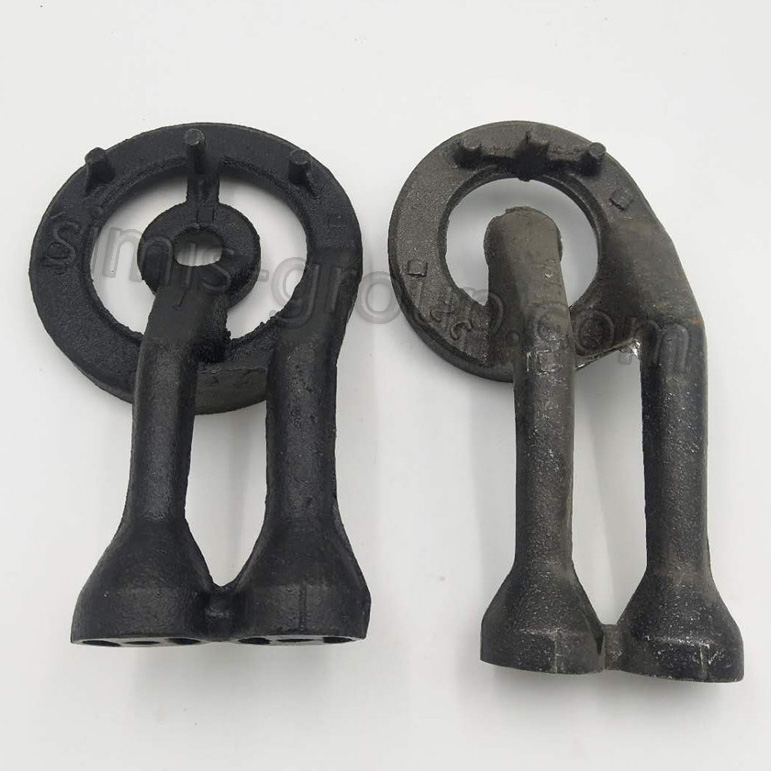
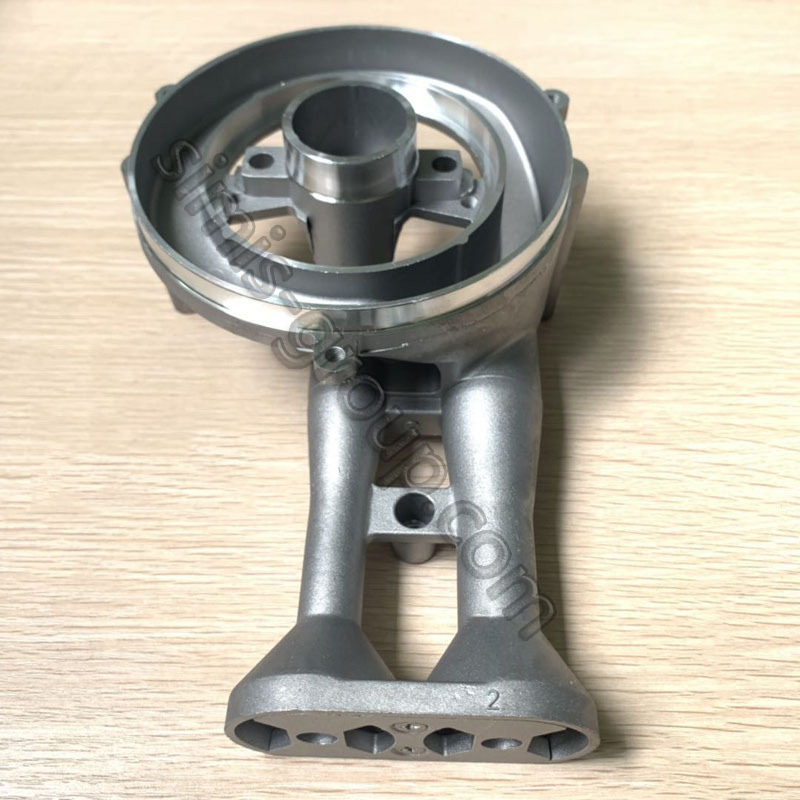
Gas Stove Burner Parts

Custom Gas Stove Burner Parts Manufacturing FAQs
Can SIMIS manufacture gas stove burner parts from our drawings?
Yes. SIMIS offers drawing-based OEM casting and CNC machining for metal gas burner components. Typical inquiry types include burner bodies, burner bases, burner heads, flame spreaders and cast burner caps. We review the material, geometry, functional interfaces, production quantity and inspection requirements to establish a suitable manufacturing route. Parts can be supplied as rough castings or machined components according to the agreed scope.
What is the difference between a gas burner body, burner head and flame spreader?
The burner body or base supports the upper burner components and may contain gas-air mixing passages and distribution chambers. A burner head or crown typically contains or helps define the flame ports, while a flame spreader distributes the mixture to the flame outlets. A burner cap closes the upper chamber and may help define the outlet geometry. Terminology differs between appliance manufacturers, so we use the customer drawing and assembly definition to identify each component.
Which materials are suitable for gas stove burner castings?
Gray cast iron and cast aluminum alloys are the principal materials for many gas stove burner parts. Cast iron is commonly selected for robust burner structures and caps, while aluminum alloys are widely used for lightweight bodies and bases. Brass may be specified for selected burner crowns or flame spreaders. Material selection must reflect the actual temperature exposure, corrosion conditions, mechanical requirements and appliance design.
Can you produce gas burner bodies with integrated Venturi tubes?
Bodies with single or multiple integrated mixing passages can be evaluated from the casting and assembly drawings. The internal geometry determines whether sand cores, removable tooling or another forming approach is appropriate. Dimensional checks of the specified flow passages and mounting interfaces can be included in the agreed inspection plan.
Can you inspect gas passages and machined assembly surfaces?
Inspection may include material verification, visual examination, dimensional checks, passage inspection and specified leak testing where applicable. The appliance manufacturer defines the functional and safety requirements, including any leakage limits and test method. Component inspection does not replace combustion, durability or safety qualification of the completed appliance.
OEM Gas Stove Burner Castings Made to Your Design
Gas stove burner parts are functional metal components used in domestic cooking appliances and commercial gas cooking equipment. Depending on the burner design, the cast components may support gas-air mixing, distribute the mixture around a burner chamber, locate the burner crown and cap, or provide mounting interfaces for the surrounding appliance. The geometry of these parts affects assembly fit, flow distribution and repeatability in production.
SIMIS provides custom gas stove burner castings, iron casting and CNC machining services for appliance manufacturers, gas burner suppliers and industrial OEM customers. Our drawing-based manufacturing scope covers cast iron gas burner bodies, aluminum burner bases, integrated mixing-tube castings and selected upper burner components. Casting allows complex chambers, ribs, mounting bosses and connection features to be formed in one component, with machining used where the drawing requires more accurate interfaces.
We focus on manufacturing metal components to approved customer designs rather than supplying complete gas stoves or universal replacement burners. Burner architecture, fuel compatibility, combustion performance and applicable appliance safety requirements are defined and validated by the equipment manufacturer.
Types of Custom Gas Stove Burner Parts
Gas burner bodies and bases
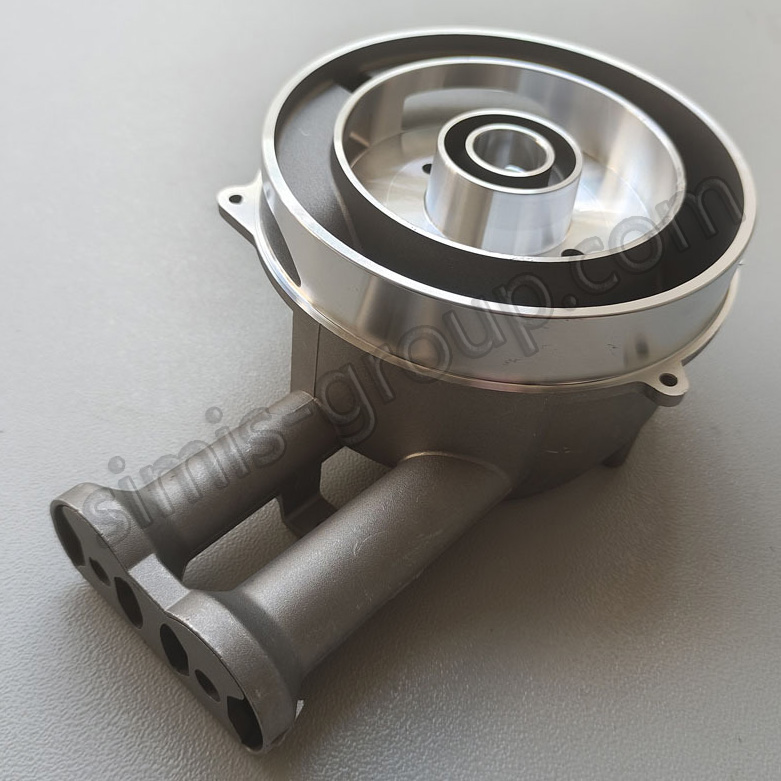
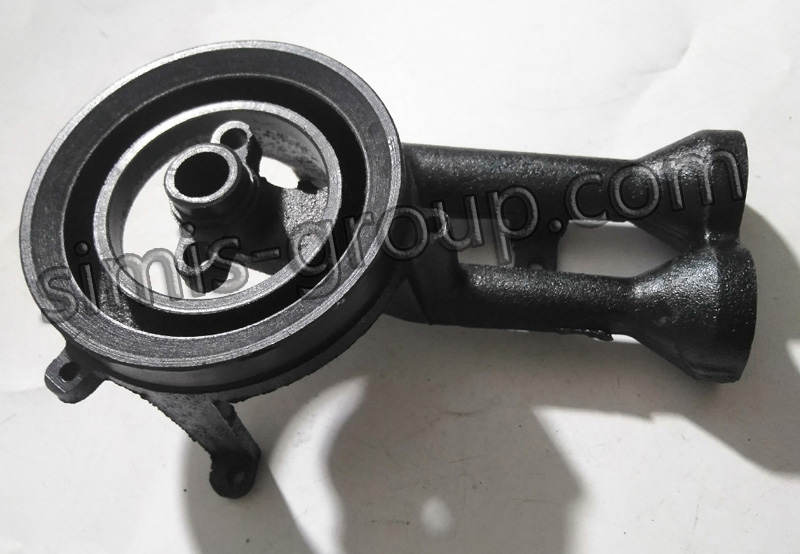
A gas burner body or lower burner base may combine a central chamber, annular distribution cavities, mounting lugs and locating surfaces. Cast aluminum burner bodies are often chosen where low mass and compact geometry are important, while cast iron bodies may suit heavier-duty constructions. Machining requirements depend on how the casting mates with the burner crown, injector holder and appliance frame.
Burner bodies with integrated mixing tubes
Some gas cooker burner bodies incorporate one or more Venturi mixing tubes and separate distribution passages within the casting. Internal passage continuity, core location and access for cleaning are important manufacturing considerations. For dual-passage designs, the casting must preserve the separation and geometry specified by the customer.
Gas burner heads, crowns and flame spreaders
Burner heads and flame spreaders form the upper distribution region of many gas cooktop burners. The flame outlet features may be cast, machined or formed by mating components depending on the approved design. Burrs, distortion and dimensional variation around these features require attention during production and inspection.
Cast burner caps and related components
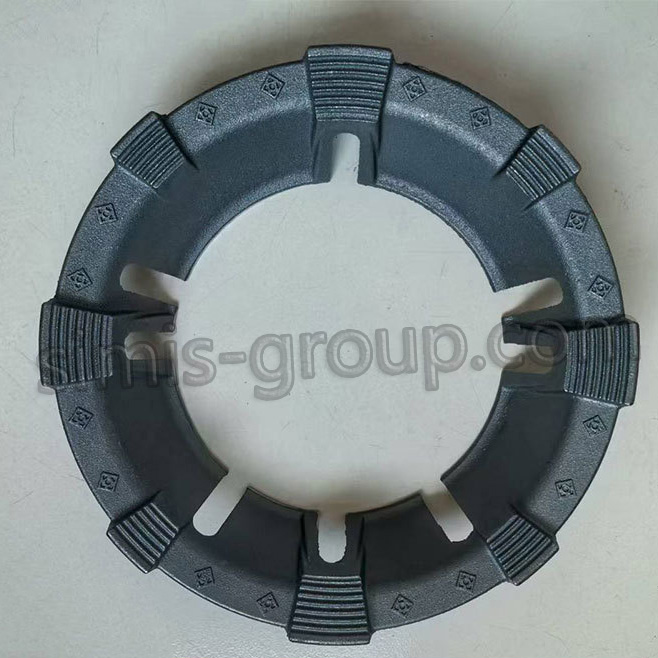
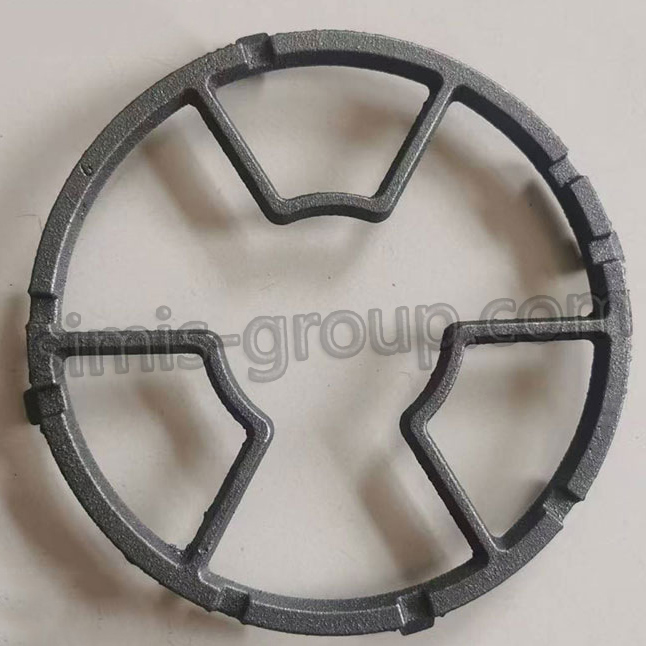
Burner caps, support rings and other metal burner components may be manufactured in cast iron or other suitable materials. Their flatness, locating features, thermal exposure and finish requirements are considered separately from those of the lower burner body.
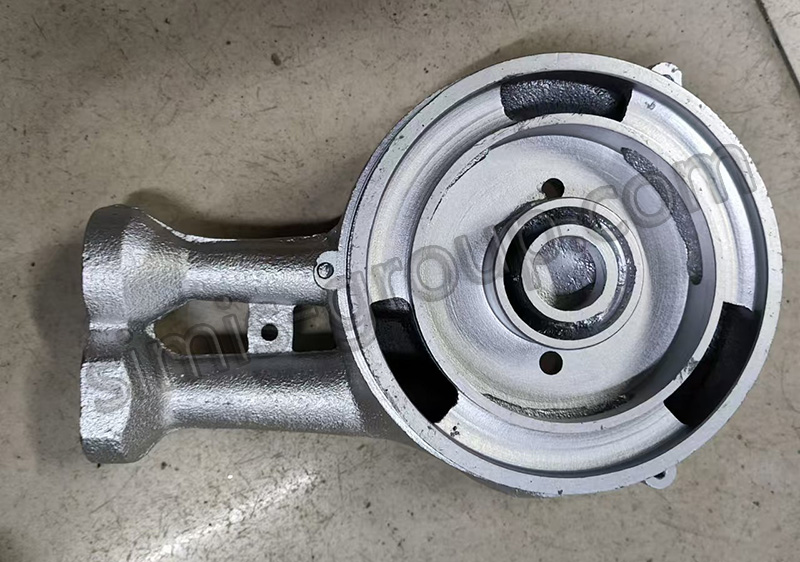
Casting Processes for Gas Stove Burner Parts
The manufacturing process for a gas burner casting depends on the alloy, part size, internal cavity design, surface requirements and expected order volume. An enclosed passage may need a sacrificial core, whereas an open geometry may be compatible with reusable metal tooling. Production economics should be evaluated together with the required machining and inspection operations.
| Manufacturing Process | Typical Applications | Key Manufacturing Considerations |
|---|---|---|
| Sand casting | Cast iron burner bodies, commercial burner castings and complex cored parts. | Suitable for irregular geometries and internal cavities formed with cores. Core stability, sand removal and machining stock require review. |
| Shell mold casting | Selected iron burner parts with detailed external features. | May improve surface consistency for suitable shapes and production volumes. Internal core arrangement depends on the design. |
| Gravity die casting | Aluminum burner bodies and bases suited to permanent molds. | Tooling layout, feeding, solidification and access to internal cavities determine feasibility. |
| High-pressure die casting | Repeat aluminum burner bases and other compatible open or tool-accessible designs. | Tool withdrawal, porosity control and the need for subsequent machining or leakage checks must be assessed. |
| CNC machining | Locating bores, mating faces, mounting holes and specified functional features. | Machining datums, allowances and inspection methods must correspond to the approved assembly drawing. |
Where a burner body integrates complex mixing tubes, the preferred process is established from the full CAD model rather than the external appearance alone. A process that works for a simple open burner base may not be appropriate for a body with enclosed or intersecting passages.
Material Options for Gas Stove Burner Castings
Material selection depends on the location of the part within the burner assembly. The lower body, upper flame distributor and burner cap do not necessarily experience the same thermal or mechanical conditions. The following materials are candidate options for OEM inquiries, not interchangeable grades or a universal appliance specification.
| Casting Material | Typical Grade Examples | Application Considerations |
|---|---|---|
| Gray cast iron | HT150, HT200; EN-GJL grades as specified | Robust burner bodies, commercial gas burner structures and selected caps. Consider thermal cycling, oxidation, casting soundness and section thickness. |
| Cast aluminum alloy — sand or gravity cast | A356 or other specified casting alloys | Lightweight burner bodies and bases with suitable service temperatures. Consider alloy condition, dimensional stability and internal passage geometry. |
| Cast aluminum alloy — die cast | ADC12, A380 or other approved die-casting alloys | Volume production of compatible burner base geometries. Evaluate casting porosity, machining and thermal exposure. |
| Cast brass — project-specific | Customer-specified cast brass grade | Selected flame spreaders, crowns and burner head components. Alloy choice and supply feasibility require project review. |
For a cast iron gas stove burner or an aluminum gas burner body, the quotation should identify the exact material standard and grade, any required heat treatment and relevant material verification. Grades listed from different standards are examples only and should not be treated as direct equivalents. Additional alloys can be reviewed against the approved drawing and available manufacturing capability.
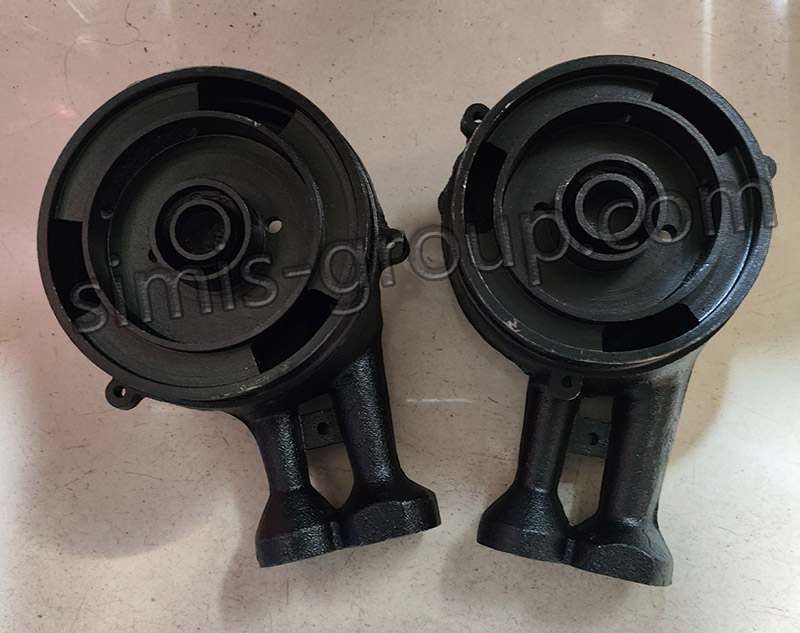
Internal Passage Formation and Casting Quality
Core location and passage continuity
Cored burner castings require attention to the location of internal cavities relative to the external assembly features. Core movement can affect wall thickness and passage alignment. During manufacturing review, the casting model, core support arrangement and intended inspection access are assessed together so that the specified geometry can be reproduced.
Casting soundness and dimensional stability
Shrinkage, gas porosity, inclusions and distortion may affect machined interfaces or the integrity of gas-containing passages. Process selection and solidification control are therefore particularly important near functional mating regions. Acceptance criteria should distinguish cosmetic casting features from defects that affect the intended function of the part.
Cleaning of internal cavities
Residual sand, loose particles, flash and machining chips must be controlled in accordance with the cleanliness requirements of the burner component. Access for cleaning and inspection should be considered early in the manufacturing review, especially for enclosed or multiple distribution chambers.
CNC Machining and Critical Assembly Interfaces
Many gas stove burner parts use a combination of as-cast surfaces and machined interfaces. The aim is to establish repeatable fit with the mating components without adding machining to every surface. The customer drawing should identify the critical datums and distinguish functional dimensions from general casting dimensions.
| Feature | Manufacturing Consideration | Typical Inspection Focus |
|---|---|---|
| Burner crown or cap locating surface | Maintain the defined seating geometry and avoid burrs or distortion. | Flatness, locating diameter and relevant fit dimensions. |
| Mounting lugs and holes | Relate hole positions to the functional assembly datums. | Hole size, position and mounting-face alignment. |
| Mixing tube and inlet interfaces | Preserve specified passage alignment and mating geometry. | Interface dimensions and passage continuity. |
| Distribution chambers and flame outlet features | Maintain the approved geometry; remove unintended obstruction and flash. | Specified dimensions, visual condition and accessible passage features. |
| Specified sealing surfaces | Use the required machining finish and dimensional controls. | Surface finish, geometry and specified leakage acceptance where applicable. |
Our CNC machining services can be evaluated for these interfaces as part of the casting project. Specific tolerances, surface roughness and inspection frequency are agreed against the customer specification.
Design for Manufacturability and Repeatable Assembly
Early drawing review can identify avoidable manufacturing complexity in burner castings, such as difficult-to-access cavities, abrupt section changes, unnecessary machining requirements and tooling features that cannot be released. Practical casting allowances and process-related design suggestions can be discussed with the customer before tooling is approved.
Any proposed changes to the gas-air mixing geometry, flame outlets, chamber separation or thermally loaded features must be reviewed and approved by the appliance design owner. Manufacturing convenience alone is not sufficient justification for modifying the functional combustion geometry.
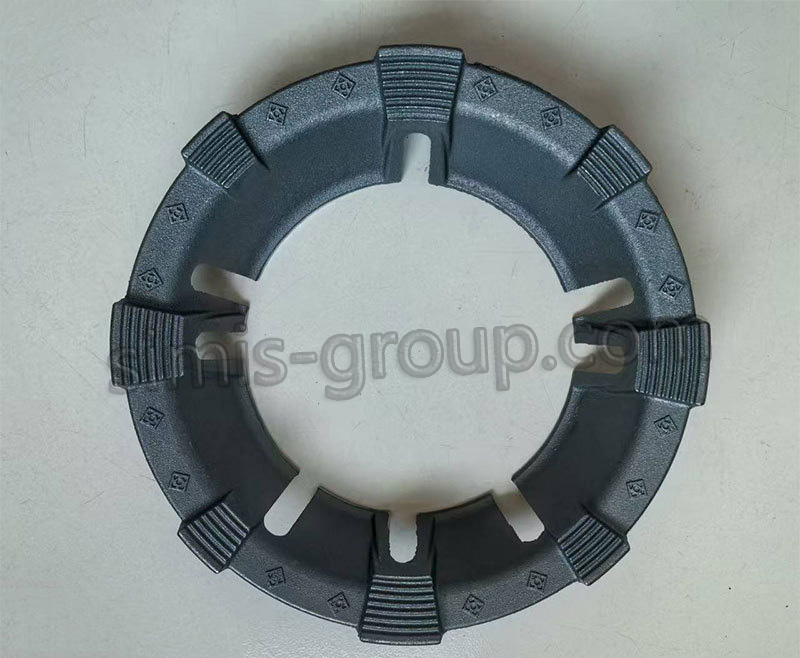
Quality Control and Inspection for Gas Burner Parts
Quality planning for gas stove burner parts should be based on the intended assembly and the functional requirements defined by the customer. Inspection may cover both casting integrity and final machined features. The agreed plan should state the required inspection method, acceptance limits and documentation.
| Inspection Item | Purpose and Scope |
|---|---|
| Material verification | Confirm the specified alloy or grade and material documentation where required. |
| Visual and casting inspection | Check agreed limits for surface defects, flash, burrs and visible casting condition. |
| Dimensional inspection | Verify critical mounting, mating, locating and passage-related dimensions using suitable measurement methods. |
| Internal passage and cleanliness checks | Assess accessible cavities for specified continuity, residual material and unintended obstructions. |
| Leak testing or nondestructive examination | Where specified and appropriate, review the defined test method, acceptance criteria, inspection coverage and feasibility before production. |
| Sample approval and batch documentation | Provide the agreed first-sample inspection and production records according to the purchase requirements. |
Additional information is available on our quality control page. Component-level inspection supports the appliance manufacturer’s quality process but does not establish gas appliance certification or replace functional combustion and safety testing of the complete product.
Surface Treatment and Thermal Service Considerations
Cast iron burner components may require a specified protective or high-temperature finish, while aluminum burner bodies may be supplied as cast, cleaned, machined or with a customer-approved surface treatment. Finishes must be compatible with the actual service temperature, material and location within the appliance.
The finishing specification should identify any surfaces or passages that must remain uncoated, as well as coating thickness and appearance requirements where applicable. Coatings must not obstruct gas passages, interfere with assembly fits or alter approved flame outlet geometry. Suitable options can be reviewed through our surface treatment service.
Applications of Custom Gas Stove Burner Parts
Drawing-based gas burner castings may be used in domestic gas stoves, gas cooktops, gas hobs, freestanding gas ranges and commercial cooking equipment. Typical projects include aluminum burner bodies for compact household appliances, cast iron burner structures for commercial kitchens and custom burner crowns or bases designed for a particular equipment platform.
Gas cooker burner, gas cooktop burner and gas hob burner are common application terms used in different markets. The actual part geometry, fuel compatibility and performance requirements remain specific to each appliance. SIMIS focuses on OEM component manufacturing, with the appliance manufacturer retaining responsibility for product design and end-use qualification.
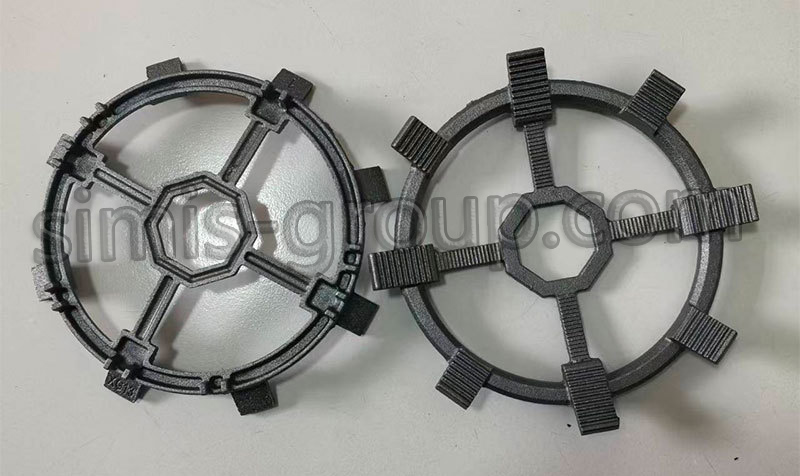
From Drawing Review to Manufacturing and Delivery
A typical OEM gas burner casting project begins with the customer’s 2D drawings, 3D CAD files, material specification, estimated order volume and functional acceptance criteria. SIMIS reviews the casting geometry, production route, tooling requirements, machining operations and quality plan before discussing the quotation and sampling arrangement.
After the agreed manufacturing requirements are approved, tooling and sample production can proceed where needed. Sample inspection and customer approval are followed by batch production, machining, specified inspection and protective packaging. The actual sequence and lead time depend on the approved design, order quantity and inspection scope.
Request a Quote for Custom Gas Stove Burner Parts
To request a quotation for custom gas stove burner parts, cast iron gas burner castings or aluminum gas burner bodies, please send SIMIS your 2D drawings and 3D CAD files, material grade, expected annual and batch quantities, critical assembly dimensions, finish requirements and inspection specifications. Include the intended application, relevant thermal service requirements, internal passage criteria and any specified leakage or documentation requirements.
Whether your project involves a cast gas burner base, a burner body with integrated mixing tubes or a custom flame spreader, we can review the drawing and discuss a suitable casting and machining route. Email your technical inquiry to info@simis-group.com or use the SIMIS contact page.