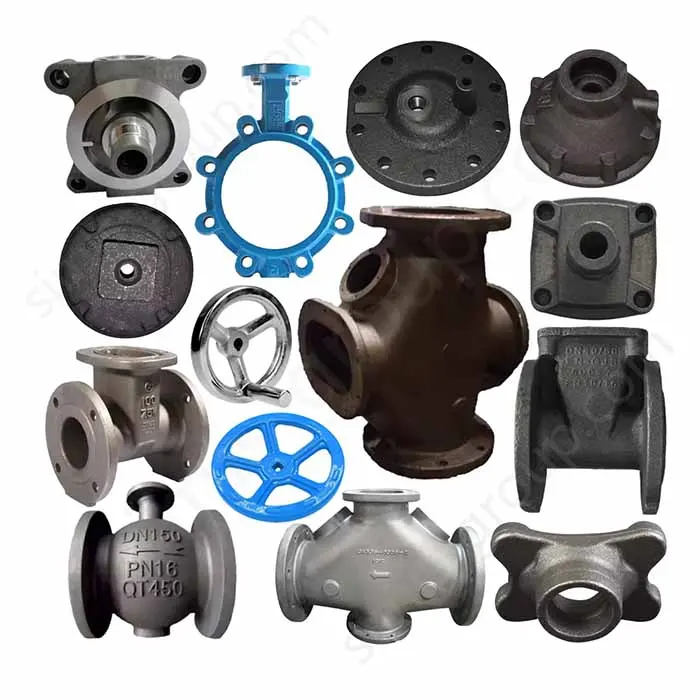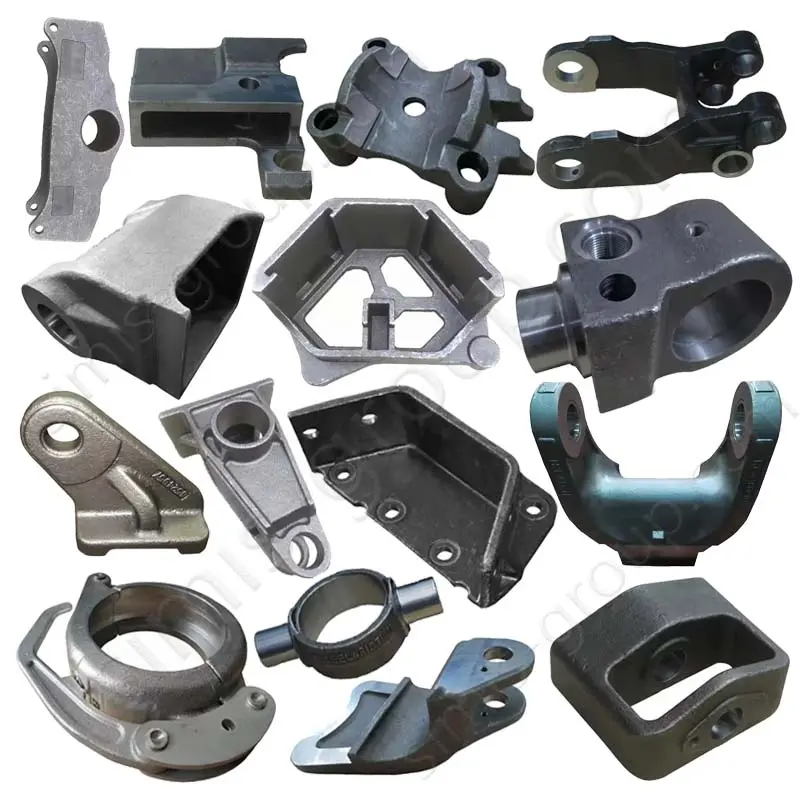
Custom Hand Wheels Manufacturer

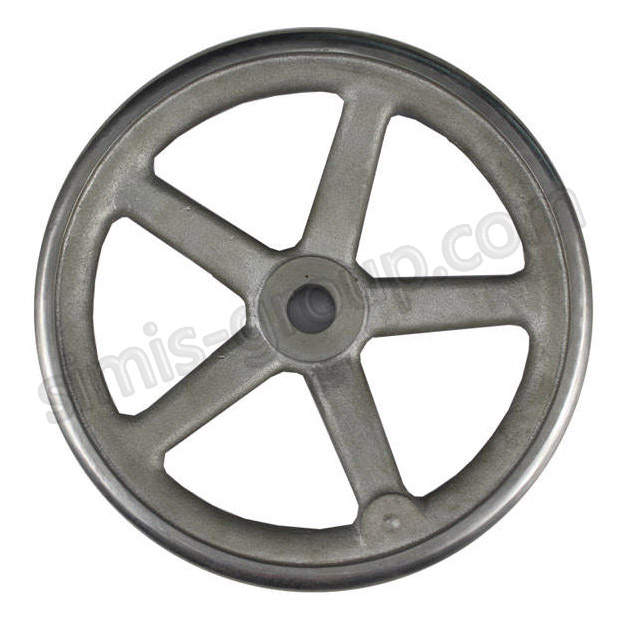
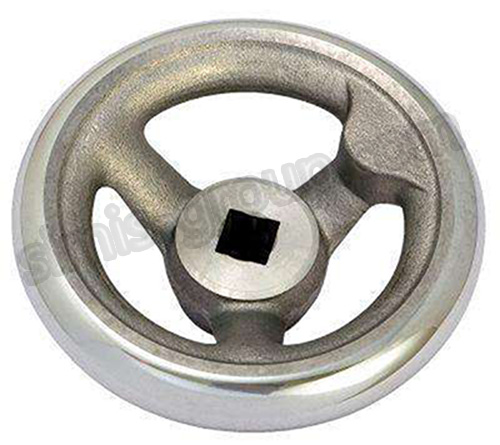
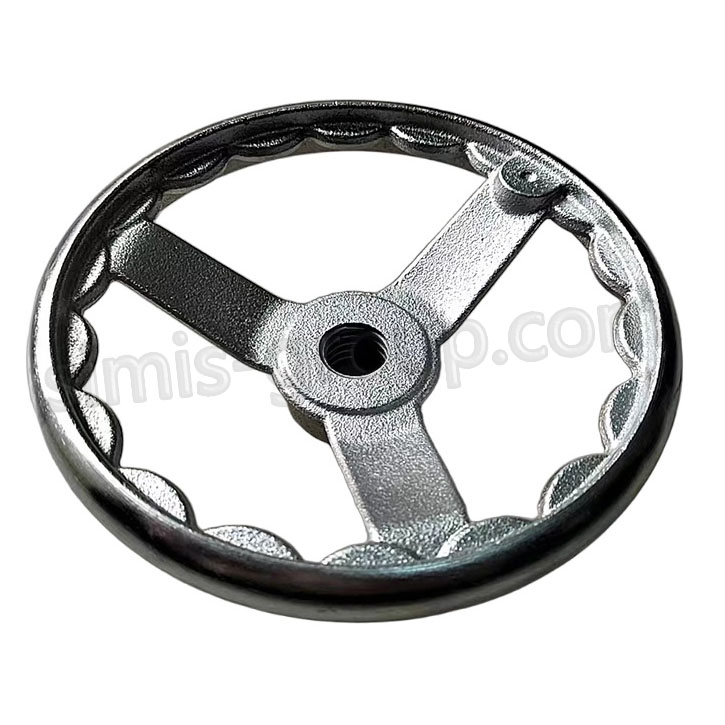
Hand Wheels

Custom Metal Hand Wheels: OEM Manufacturing FAQs
Can SIMIS manufacture custom hand wheels from our drawings?
Yes. SIMIS supports drawing-based OEM manufacturing of metal hand wheels for industrial valves, machine tools and mechanical adjustment systems. Depending on the specified material and geometry, production may involve sand casting, investment casting, aluminum gravity casting, die casting, sheet metal forming and CNC machining. We review wheel diameter, spoke design, hub connection, operating torque, surface finish and order quantity before recommending a manufacturing process.
Which material is best for a valve or machine hand wheel?
Gray iron and ductile iron are common candidates for cast industrial hand wheels. Aluminum alloys may be selected where lower weight matters, while stainless steel may be specified for particular corrosion or cleaning environments. Carbon steel can be considered for fabricated or formed designs. The correct material depends on the required torque, wheel size, hub connection, temperature and operating environment rather than one universal material ranking.
Can SIMIS make square bores, keyed bores and threaded hubs?
Custom hub interfaces can include square stem openings, round through-bores, keyways, tapered interfaces and threaded holes where the design permits. Critical dimensions may be produced or finished by CNC machining and suitable secondary operations. The required fit, engagement depth, corner clearance and retention arrangement must match the customer's stem or shaft drawing.
How is hand wheel torque capacity determined?
The intended operating and maximum applied torque should be specified by the equipment manufacturer. Wheel radius, rim grip, spoke geometry, hub size and material properties influence how hand force is transmitted to the valve stem or machine shaft. A component-level torque or proof-load test can be discussed when the drawing defines the test arrangement and acceptance criteria. A hand wheel alone does not establish the torque rating or safe operation of the complete valve.
What information do you need to quote custom hand wheels?
Please send a 2D engineering drawing and available 3D model, wheel outside diameter, rim and spoke dimensions, hub interface, material specification, target quantity, required finish and inspection requirements. Include the stem or shaft dimensions, operating torque, expected manual force, installation environment and any special grip or color requirements. These details help us review manufacturability and prepare a project-specific quotation.
Custom Cast Hand Wheels for Industrial Valves and Machinery
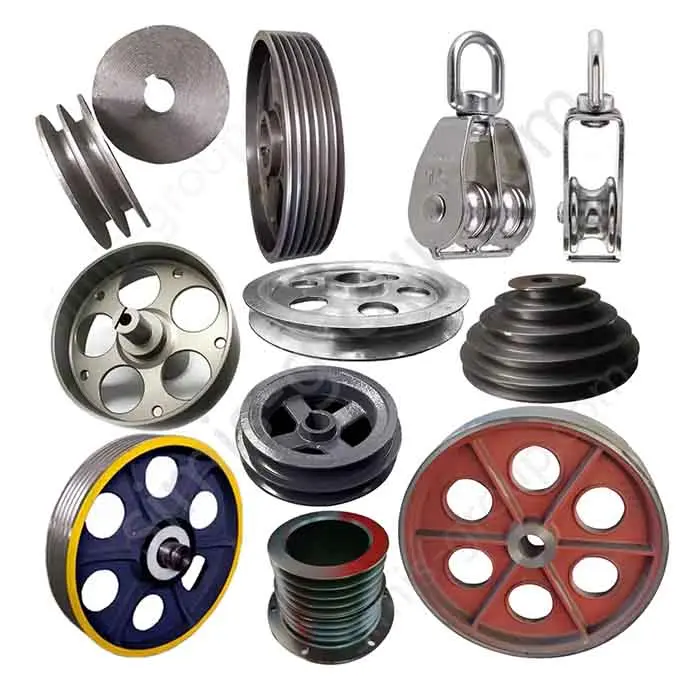
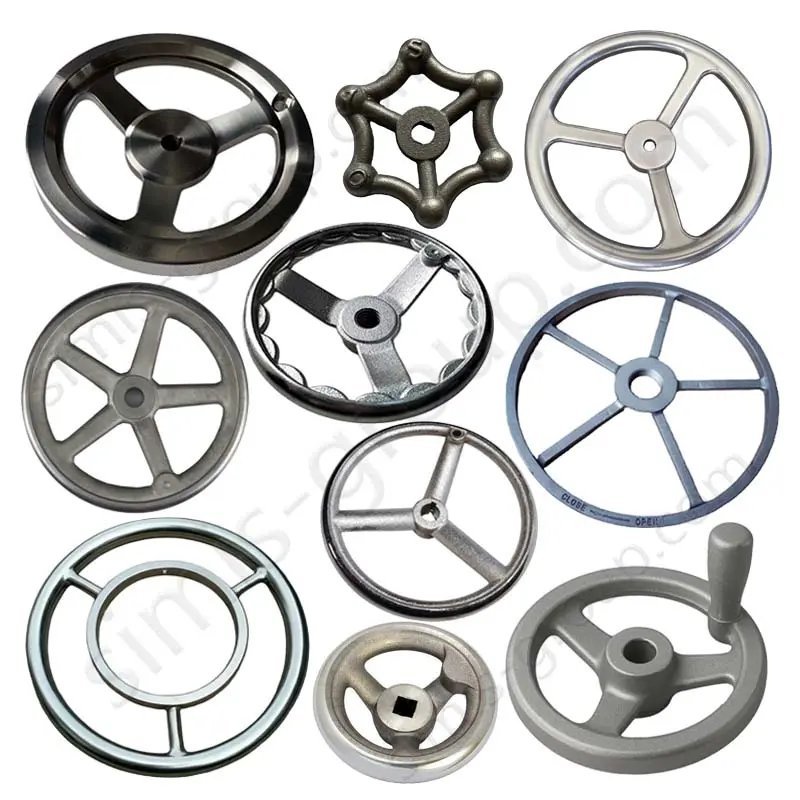
A hand wheel is a manually operated rotating control component used to turn a valve stem, position a machine axis or adjust a mechanical mechanism. It typically consists of an outer rim, connecting spokes or a solid web, and a central hub that engages the operating shaft. Unlike a power-transmission pulley, its main function is to transmit intentional manual input through a defined mechanical connection.
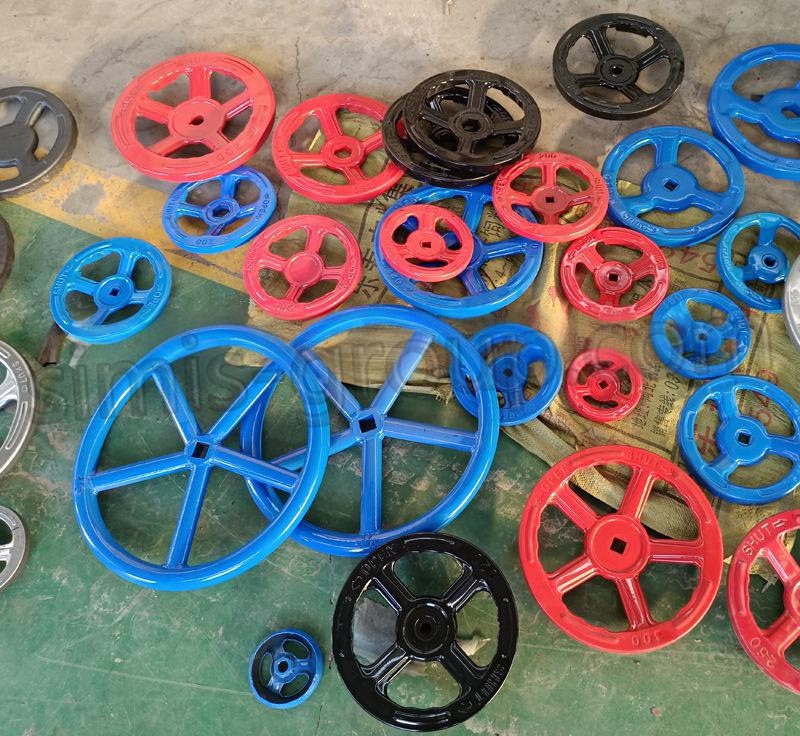
Custom hand wheels can be manufactured with smooth circular rims, scalloped grips, three-spoke or multi-spoke layouts, solid centers and different bore arrangements. Some applications require a compact wheel operated occasionally; others use a larger diameter to provide greater mechanical leverage for routine valve operation. Wheel geometry must account for installation clearance and access as well as appearance.
SIMIS supports OEM metal casting and subsequent machining for customer-specified hand wheels. The manufacturing route is selected around the approved design rather than assuming every wheel is made from the same metal or casting method.
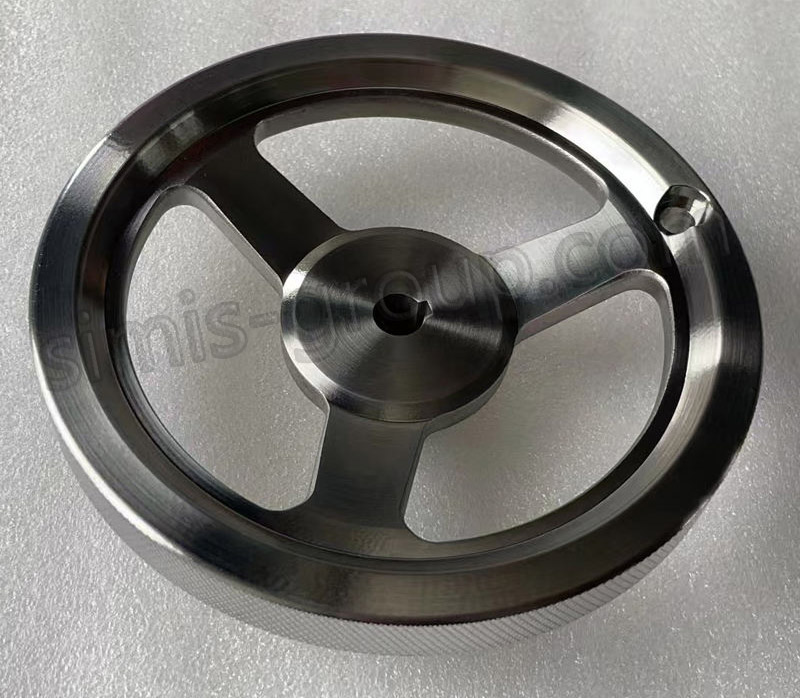
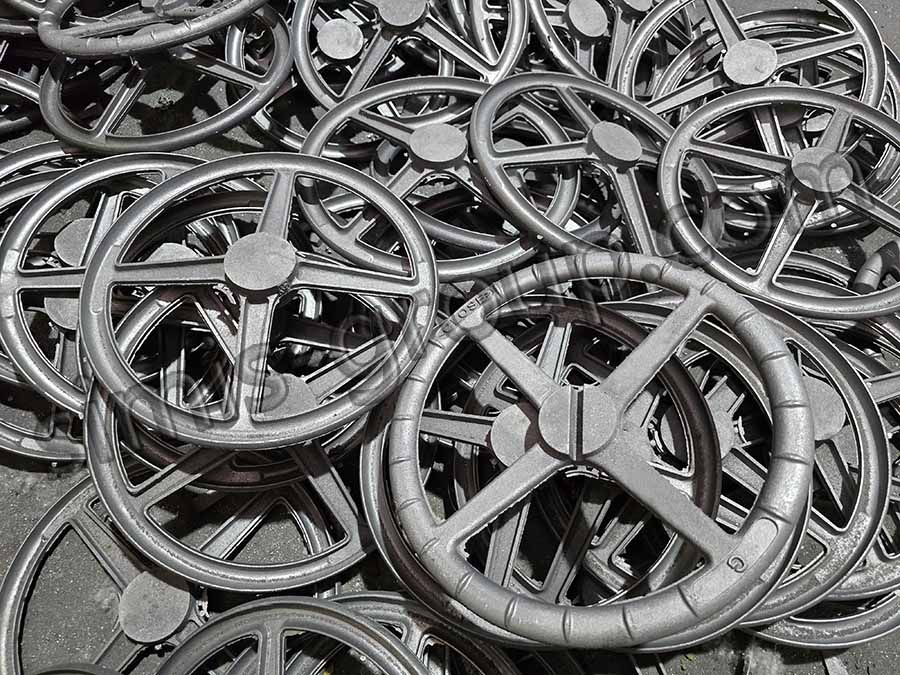
Manufacturing Processes for Custom Metal Hand Wheels
The appropriate manufacturing method depends on wheel diameter, rim thickness, spoke arrangement, material grade and production quantity. The process should produce a suitable wheel blank while allowing the hub and other functional features to be finished to the required dimensions.
Sand casting for iron valve hand wheels
Sand casting is a practical route for many gray iron and ductile iron hand wheels, especially larger diameters or wheels with substantial hubs and integral spokes. Pattern design must account for parting lines, draft, rim and spoke sections, feeding and the stock required for final hub machining. SIMIS can review these requirements through its sand casting foundry.
Investment casting for detailed stainless steel wheels
Investment casting may suit stainless steel hand wheels with smaller sections, integrated grip details or relatively complex shapes. It can reduce the amount of finishing needed on selected external surfaces, although critical hub dimensions still require process review. The proposed grade, mold design, finishing and inspection must be appropriate for the application. Learn more about SIMIS investment casting services.
Gravity and pressure die casting for aluminum wheels
Suitable aluminum alloy hand wheels may be evaluated for gravity permanent mold casting or pressure die casting. Gravity casting can be considered for selected geometry and material combinations, while pressure die casting may be economical for repeat production of smaller, detailed wheels. Porosity, hub strength, achievable wall sections and tooling investment must be evaluated for each process.
Formed and fabricated steel hand wheels
Some relatively thin-rim hand wheels can be produced using formed steel sections, stamped components and welded or mechanically assembled hubs and spokes. This is an alternative to casting, not a process that should be applied to every wheel design. Welding details, dimensional distortion, rim finishing and hub alignment must be reviewed. SIMIS can assess relevant sheet metal fabrication requirements.
| Manufacturing Route | Potential Fit | Important Considerations |
|---|---|---|
| Sand Casting | Iron hand wheels with substantial rims and spokes | Draft, feeding, section transitions and machining stock |
| Investment Casting | Detailed stainless steel hand wheels | Alloy, geometry, surface quality and hub finishing |
| Aluminum Gravity Casting | Selected cast aluminum wheel designs | Tooling, solidification and material requirements |
| Pressure Die Casting | Suitable high-volume aluminum wheels | Tooling economics, local porosity and hub design |
| Steel Fabrication | Selected formed-rim and assembled-spoke wheels | Joining quality, rim profile and alignment |
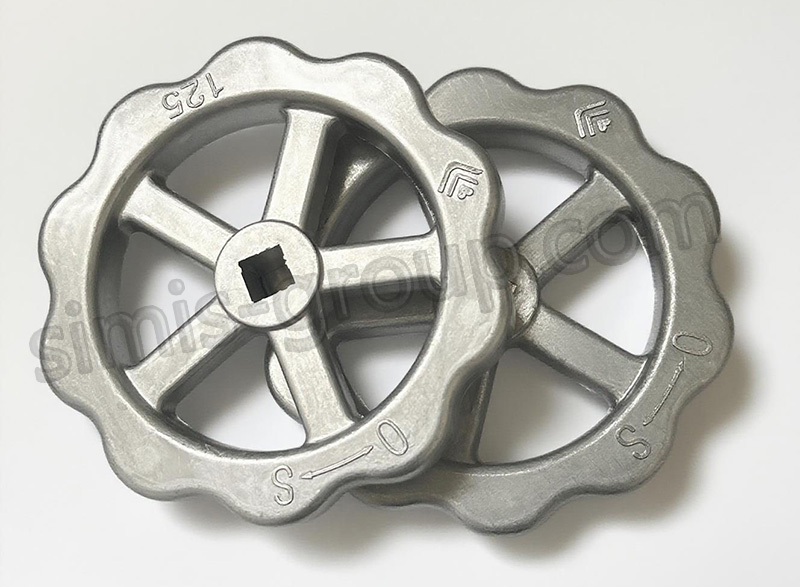
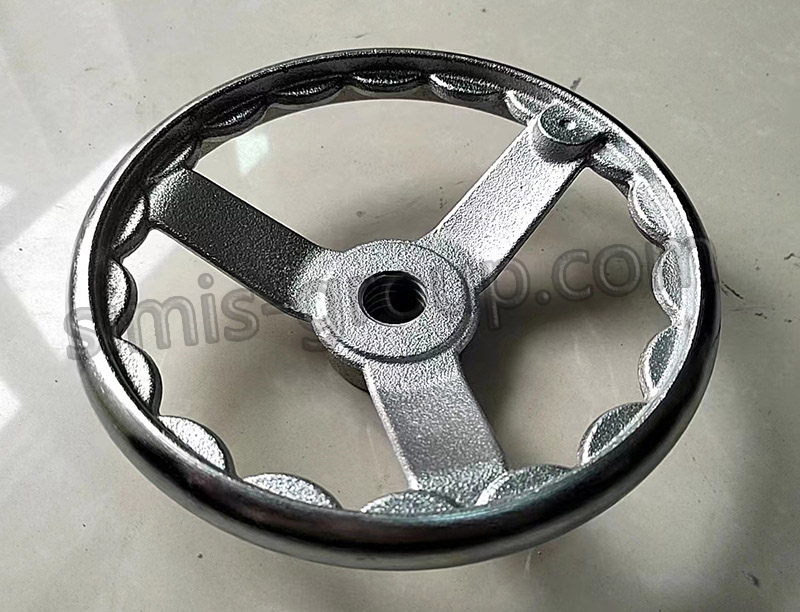
Hand Wheel Material Selection: Iron, Aluminum and Stainless Steel
A hand wheel material must accommodate the intended manual torque, hub geometry, handling conditions and operating environment. Strength is important, but it should not be considered separately from ductility, corrosion resistance, weight, manufacturability and cost.
| Material | Potential Benefits | Selection Considerations |
|---|---|---|
| Gray Cast Iron | Castability, machining characteristics and suitability for selected industrial wheels | Limited tensile ductility; hub and spoke loads need assessment |
| Ductile Iron | Specified strength and elongation grades for engineered cast designs | Grade, graphite nodularity and local casting quality |
| Aluminum Alloy | Reduced weight and flexibility for selected cast shapes | Hub wear, local strength, alloy and casting method |
| Stainless Steel | Grade-dependent corrosion resistance and finish options | Chemical exposure, cleaning requirements and surface condition |
| Carbon Steel | Practical option for formed, fabricated or machined wheels | Corrosion protection, joint design and final finish |
For cast iron wheels, SIMIS can evaluate grades and material properties in the context of its custom ductile iron parts capabilities. Material designations should be confirmed using the customer's applicable standard. Stainless steel grades should likewise be selected for the actual chemical and environmental exposure: the word stainless does not mean immunity to all corrosion or automatic suitability for hygienic machinery.
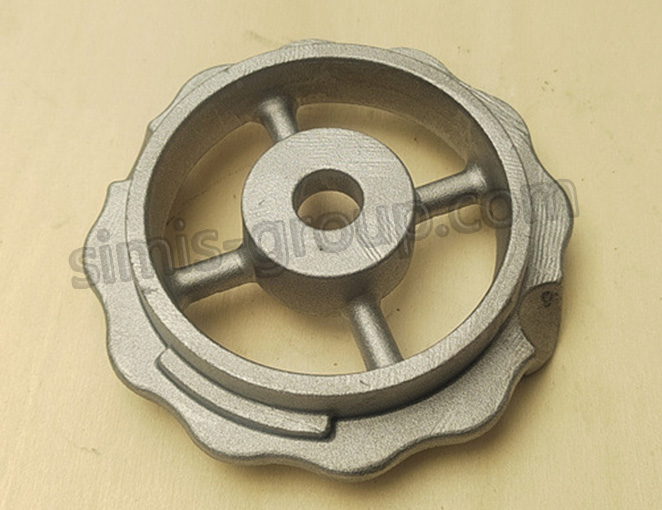
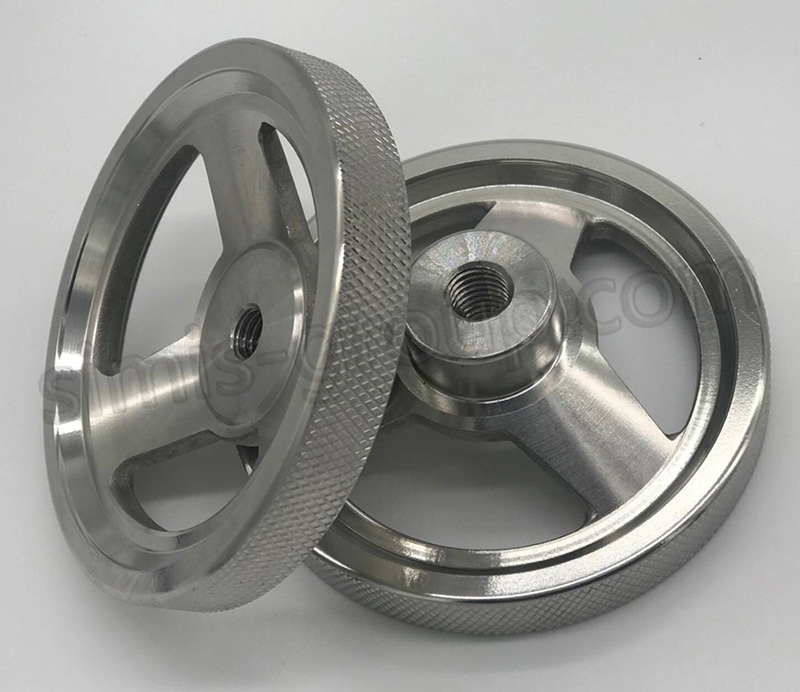
Rim, Spokes and Hub Design for Manual Torque
A hand wheel transfers force from the operator's hand at the rim through the spokes or web to the central hub. This makes the spoke-to-rim and spoke-to-hub transitions particularly important. Although a larger wheel radius can increase the torque produced by a given tangential hand force, allowable torque also depends on the wheel material, geometry and shaft connection.
Wheel diameter and required operator force
For a simplified tangential loading condition, applied torque is related to hand force and effective radius: torque equals tangential force multiplied by radius. Actual operation may involve two-handed force, an uneven grip, gloves or a restricted access angle. The customer should define the intended operating and exceptional loads rather than choosing wheel diameter from nominal valve size alone.
Spoke number, thickness and fillet radii
Three-spoke, four-spoke and multi-spoke layouts can provide different combinations of weight, grip access and load distribution. Spoke section, root fillets and transitions to the hub should be reviewed for localized stress and casting feasibility. More spokes do not automatically produce a stronger or safer wheel if the hub or rim remains the limiting feature.
Rim contour and manual handling
The outer rim may be circular, scalloped, textured or otherwise shaped for the intended operating method. Grip edges should be free of harmful burrs and sharp casting flash. Rim diameter, grip thickness and available hand clearance need to match the equipment layout. Ergonomic suitability should be assessed for the expected operators, operating frequency and work environment.
Precision CNC Machining of Hand Wheel Hub Connections
The hub is usually the most important functional interface of a metal hand wheel. A correctly shaped outer casting cannot compensate for a poor fit on the valve stem or operating shaft. SIMIS can review CNC machining and related secondary operations for drawing-specific hub geometry.
Square stem openings and drive flats
Square openings are used on selected valve hand wheels to engage matching stems. Important features include across-flats dimension, corner relief, bore depth and the available engagement length. Casting may establish the preliminary opening, while final sizing or broaching may be needed where tighter requirements apply. The actual fit should be based on the mating stem drawing.
Round bores, keyways and taper connections
Machine adjustment wheels may use round bores with keys, tapered seats, cross pins or other mechanical connections. Bore diameter, keyway geometry, hub-face location and retention must support the specified torque transfer. The connection should not be modified during production without the equipment designer's approval.
Threaded hubs and axial retention
Some hand wheels use internally threaded hubs or separate retaining hardware. Thread size, pitch, engagement, direction and available tightening clearance must be defined. Appropriate inspection can include thread gauges and fit checks with an approved mating feature. A threaded hub should not be assumed suitable for every valve stem configuration.
Surface Finish, Grip Details and Color Customization
Hand wheels are frequently touched, so the finish serves both protective and practical purposes. Depending on the material and installation environment, operations may include blasting, polishing, industrial painting, powder coating or another specified process.
Surface preparation and coating coverage should consider the hand-contact rim, spoke junctions, hub opening and retention features. Decorative knurling, scalloped grips, raised markings or embossed logos can be incorporated when compatible with the production method. SIMIS can discuss applicable surface treatment options for the specified material.
Red, blue, yellow and other coating colors may help customers implement their own identification systems. However, color meanings differ between facilities and applications; a painted wheel does not independently establish the valve's function, emergency-service status or compliance with any particular marking standard. For food or pharmaceutical environments, an appropriate stainless grade, finish, cleanability and equipment-level requirements should be verified separately.
Quality Control and Inspection for OEM Hand Wheels
Inspection should address the finished wheel's functional geometry, material specification and hand-contact condition. The agreed plan may include material verification, dimensional inspection, torque testing where specified, coating checks and suitable casting examinations.
| Inspection Item | Project-Specific Verification |
|---|---|
| Material | Specified grade, chemical composition and mechanical properties where required |
| Wheel Geometry | Outside diameter, rim width, spoke arrangement and hub position |
| Hub Interface | Square bore, round bore, keyway, thread or taper dimensions |
| Torque or Proof Load | Specified loading arrangement, load level and acceptance criteria where applicable |
| Casting Condition | Visual acceptance and selected NDT when justified by material and application |
| Grip and Finish | Edge condition, burr removal, coating coverage and agreed appearance requirements |
| Documentation | Dimensional reports, material records and traceability where agreed |
Hub fit and dimensional inspection
A hand wheel can be checked using bore gauges, micrometers, suitable profile measurement and functional fit gauges. The inspection approach should reflect the actual stem connection. A perfectly concentric decorative rim is not necessarily the highest-priority requirement when the primary function is manual torque transfer.
Torque testing and structural acceptance
Where torque testing is required, the customer should specify how the hub is held, where force is applied to the rim, the load duration and the allowable permanent deformation or damage. Testing a hand wheel does not certify that a complete valve can safely tolerate the same applied torque under every operating condition.
Casting integrity and surface inspection
Visible cracks, incomplete filling, unacceptable flash and defects around load-bearing spoke roots should be assessed against the approved specification. Penetrant, magnetic-particle, radiographic or other methods may be selected when appropriate; their effectiveness depends on material, geometry and examination coverage. No test should be described as guaranteeing completely defect-free castings.
SIMIS can review the appropriate sampling and reporting requirements through its quality control processes.
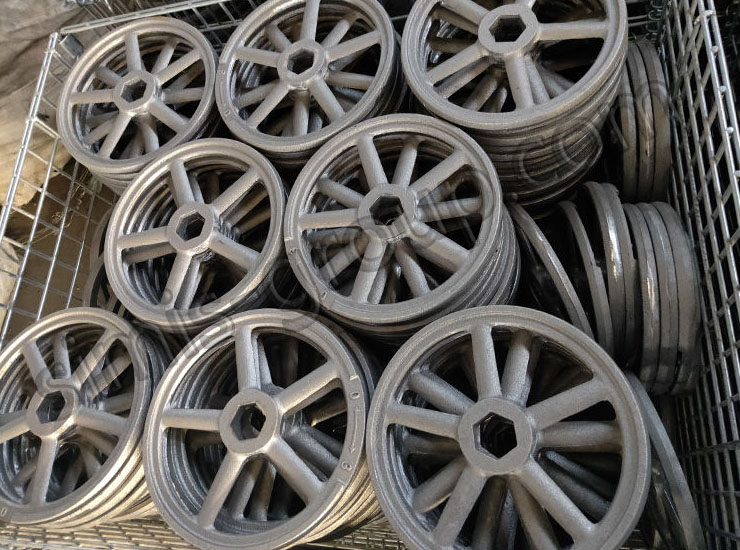
Applications of Custom Industrial Hand Wheels
Gate valves, globe valves and manual valve operators
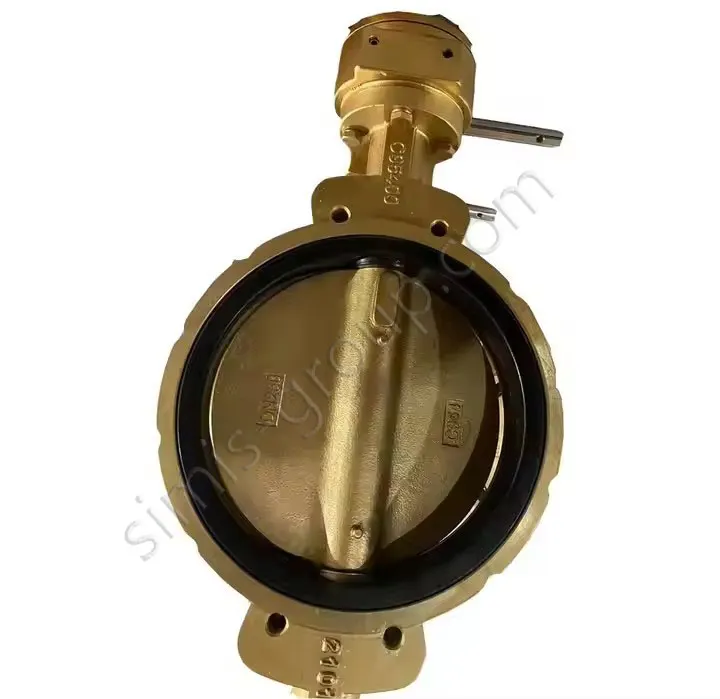
Manual valve operators can use cast or fabricated wheels with square, keyed or other stem connections. Wheel diameter and allowable input torque must be matched to the valve's actual operating mechanism. SIMIS supplies related custom valve components for drawing-based OEM manufacturing.
Water infrastructure and firefighting equipment
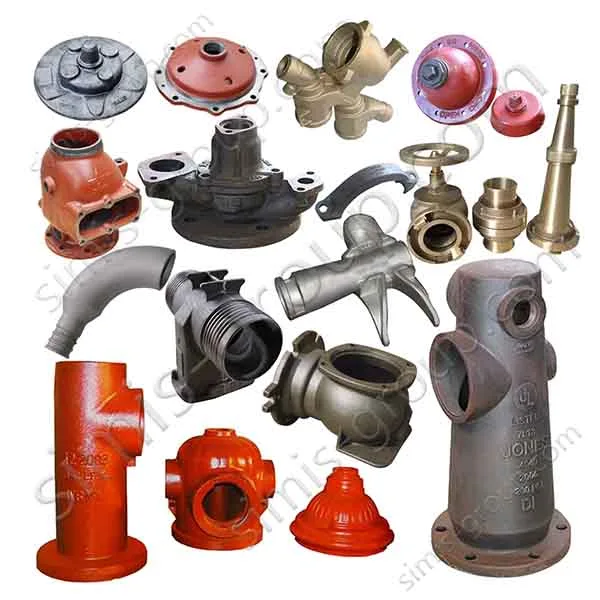
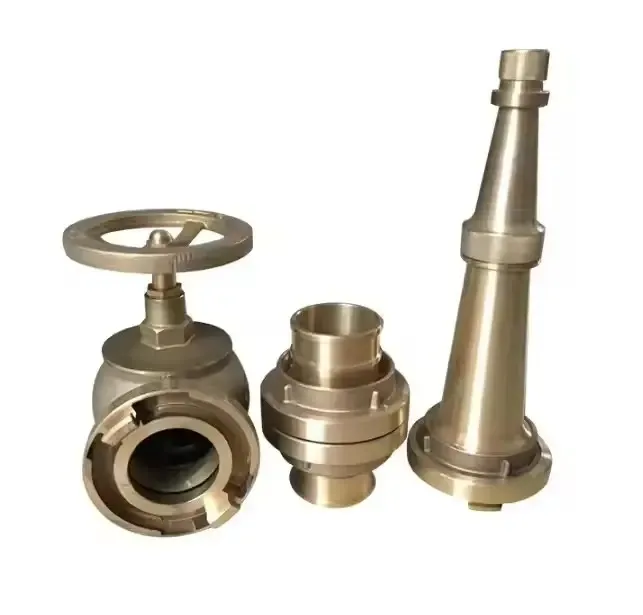
Waterworks and selected firefighting equipment may use hand wheels for manual adjustment and valve operation. Outdoor corrosion exposure, stem compatibility and the applicable equipment specification should guide material and finishing choices. Related products include SIMIS custom fire hydrant parts. A hand wheel's coating color alone does not establish compliance with a firefighting system standard.
Machine tools and mechanical adjustment systems
Machine tools, clamping systems and industrial adjustment devices can require compact metal hand wheels to position lead screws, shafts or adjustable components. Hub fit, angular access and comfortable repeated handling can be important. For these applications, precise functional machining may matter more than producing an unnecessarily heavy wheel.
Chemical, marine and hygienic equipment
Equipment exposed to salt, cleaning chemicals or humidity may require stainless steel or other appropriately protected materials. Where cleanability is important, surface texture, accessible geometry and cleaning validation must be considered. A stainless steel casting is not inherently sterile, nonporous or approved for medical or food-contact use simply because it is polished.
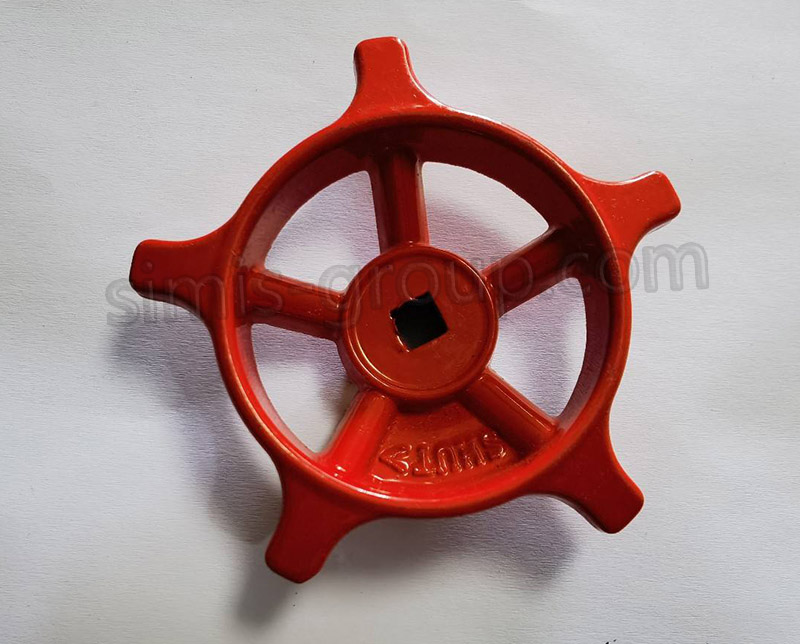
Custom Branding, Grip Profiles and Production Consistency
For repeat OEM orders, hand wheels may include raised logos, part numbers, directional arrows, casting identification or project-specific color finishes. These details should be introduced early enough to allow proper tooling and surface finishing review. Raised marking should not interfere with grip surfaces or reduce the strength of important spoke and hub sections.
Production consistency depends on controlling the casting or fabrication process along with the final hub machining. Samples, approved drawings and agreed reference finishes can help define the required appearance. The amount of documentation and inspection should reflect batch size, component function and the customer's purchasing requirements.
Request a Quote for OEM Custom Hand Wheels
SIMIS supports custom metal hand wheel manufacturing for valves, machinery and industrial operating mechanisms. Our manufacturing review can include the selected material, casting or fabrication route, hub machining, rim finishing and inspection requirements.
For a detailed quotation, please provide: 2D drawings and STEP or other available 3D files; wheel outside diameter and overall envelope; rim, spoke and hub dimensions; square bore, keyed bore, thread or other connection details; specified material grade; anticipated operating and maximum torque; required finish, markings and color; inspection requirements; and estimated batch and annual quantities.
Where the wheel is used on a safety-related valve or in a regulated operating environment, please identify the applicable equipment requirements and component acceptance criteria. Material substitutions and changes to the stem connection or torque-carrying geometry should be approved by the customer's responsible engineer before production.
Send your custom hand wheel drawings and purchasing requirements to info@simis-group.com for a manufacturing feasibility review and quotation.