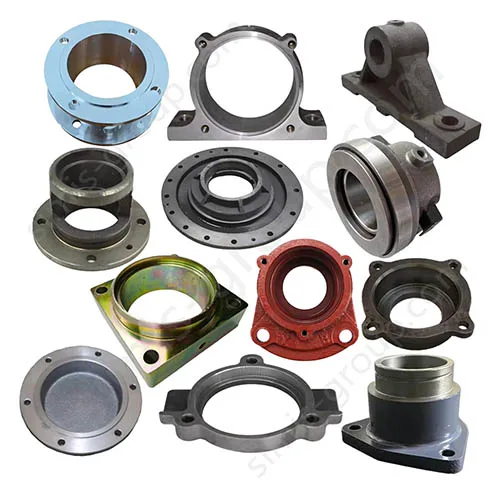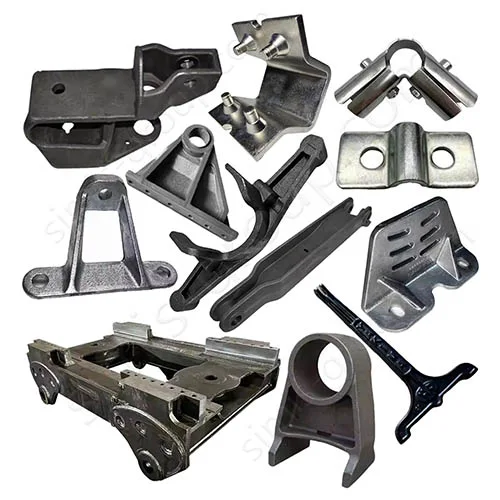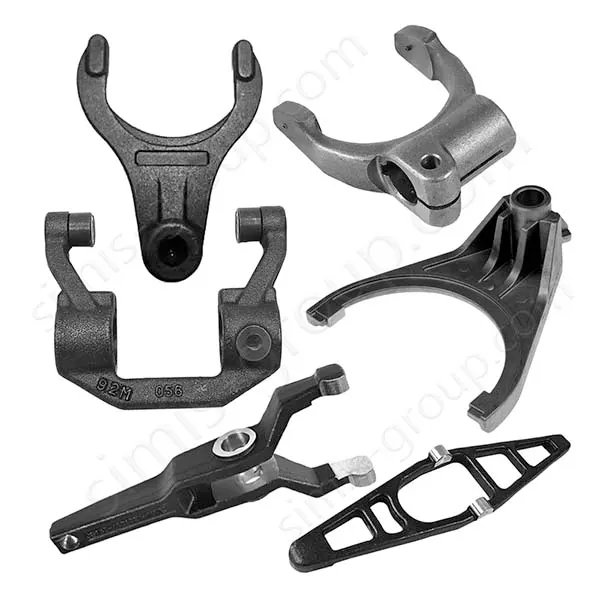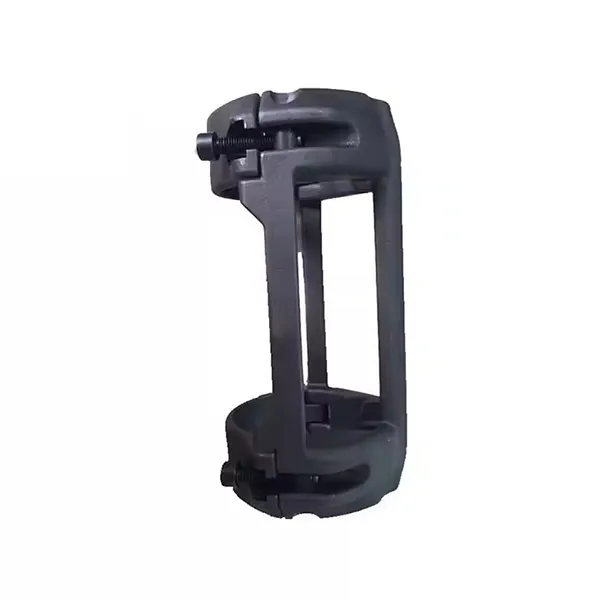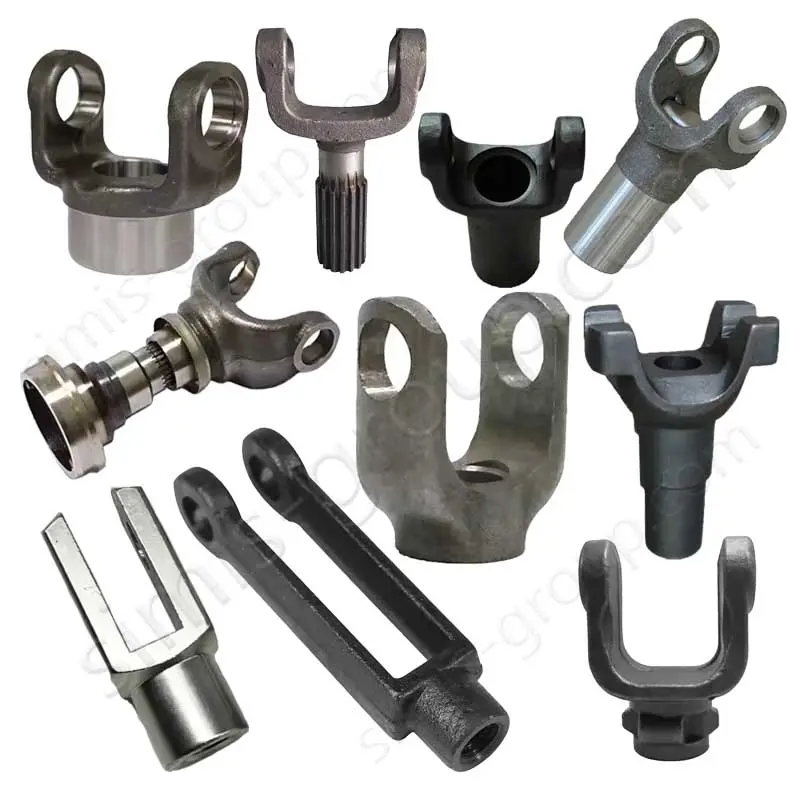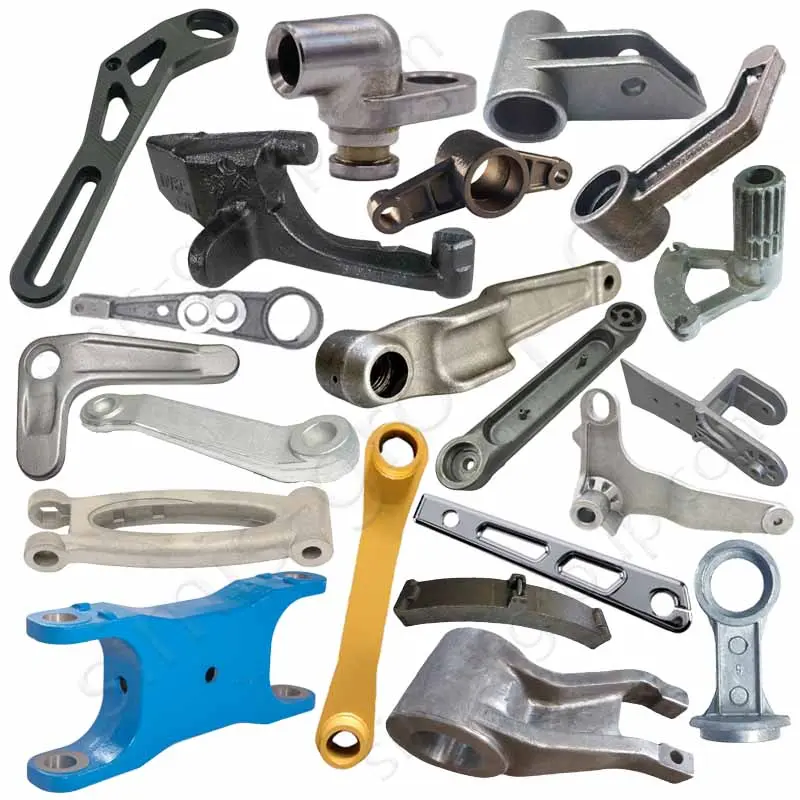
Custom Clevis Manufacturer
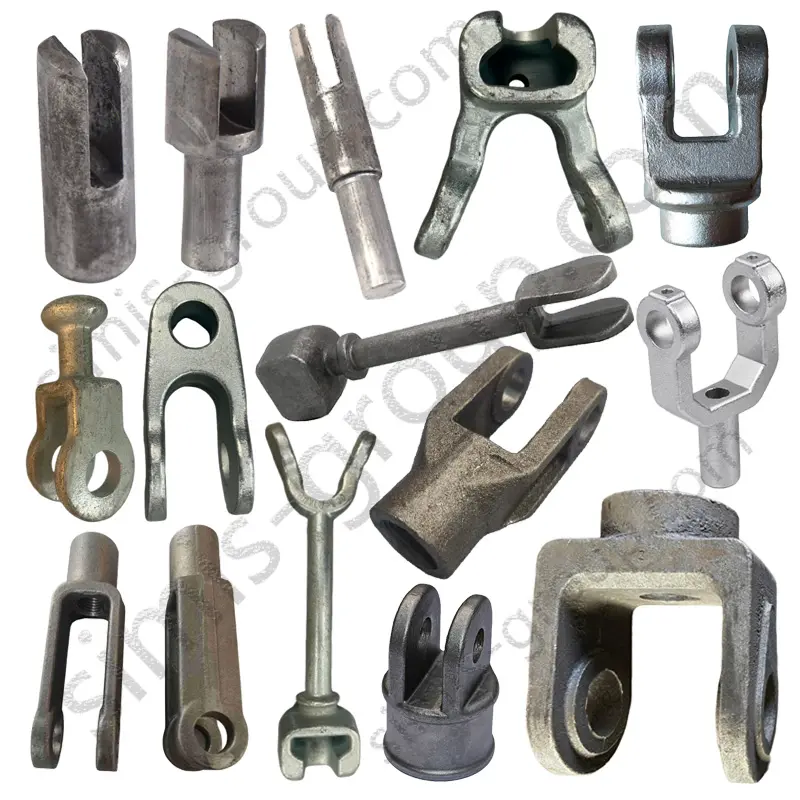
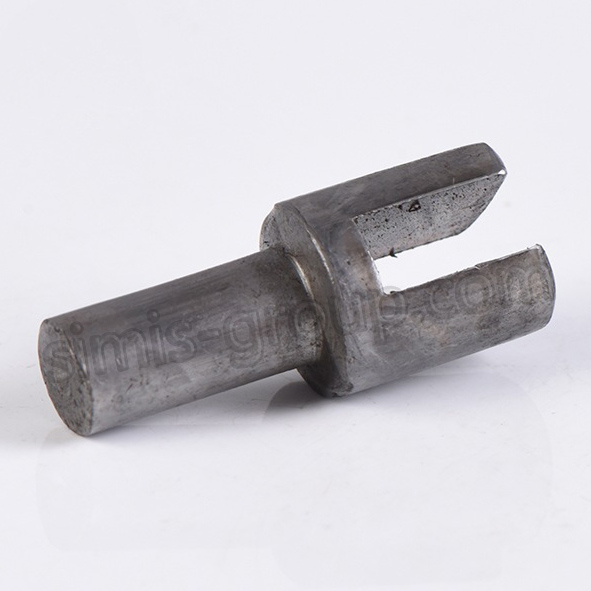
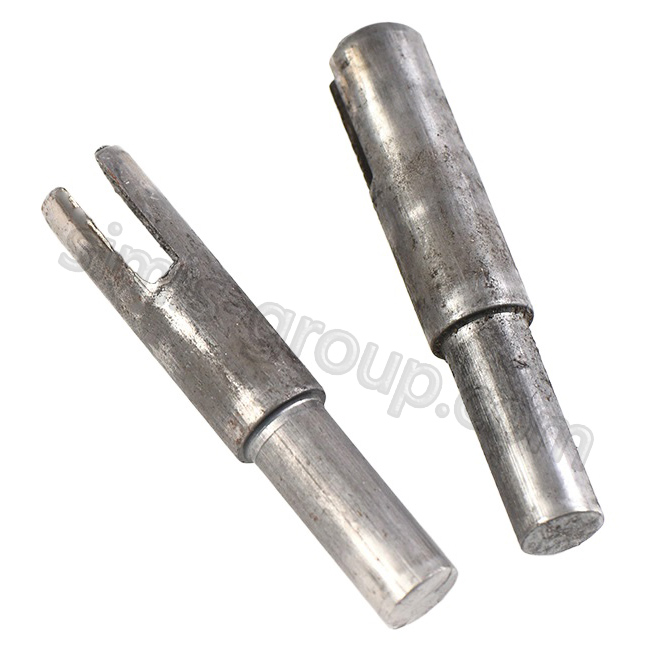
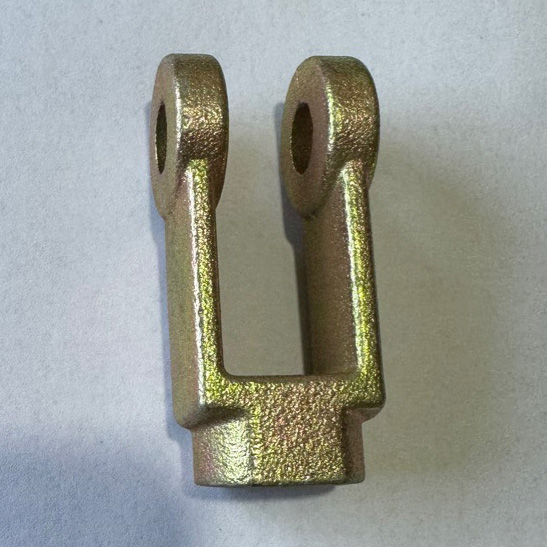
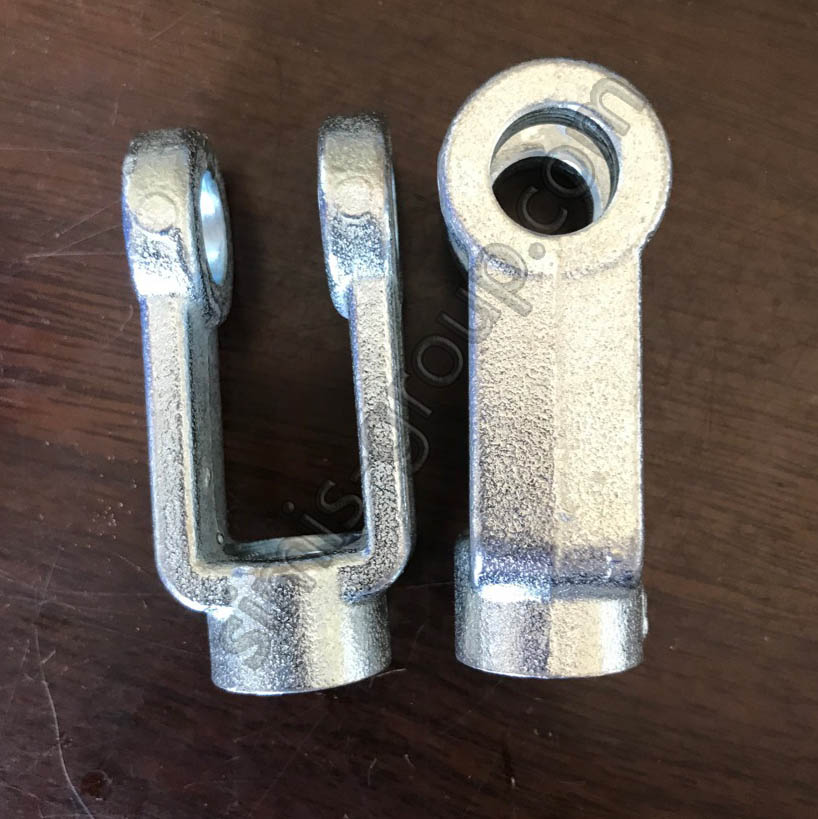
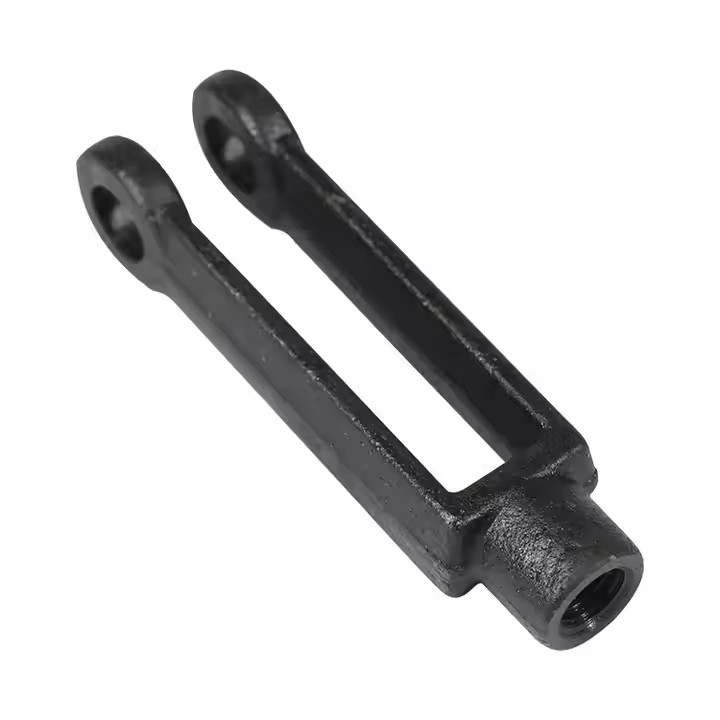
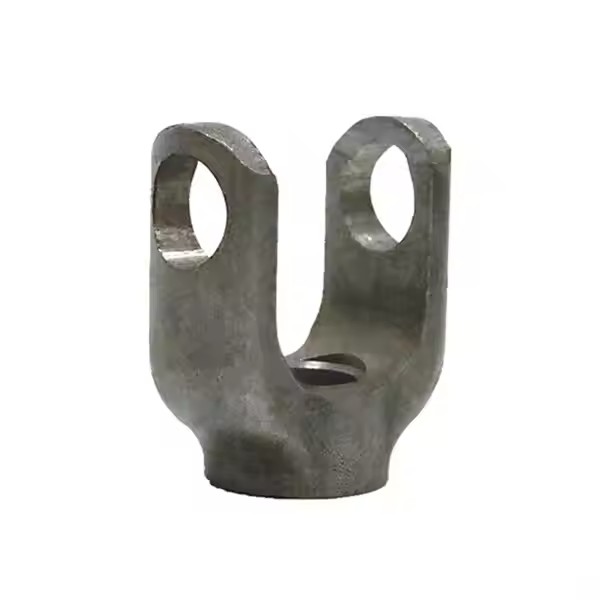
Clevis

Custom Clevis Manufacturing FAQs
Can SIMIS manufacture custom clevises according to our drawings?
Yes. SIMIS provides OEM manufacturing services for custom clevises, clevis rod ends, fork heads and other mechanical linkage components according to customer-provided drawings, 3D CAD models and technical specifications. We evaluate material selection, manufacturing processes, machining requirements, operating loads and production quantities to develop a suitable manufacturing solution.
Should a custom clevis be hot forged, cold forged or cast?
The appropriate manufacturing process depends on the component geometry, material, load conditions and order quantity. Hot closed-die forging is often considered for heavy-duty clevises subjected to repeated loads and impact. Cold forging and cold extrusion may offer advantages for suitable small and medium-sized components produced in large quantities. Investment casting and sand casting can also be evaluated for complex geometries or specific material requirements.
Can clevis fork ends be manufactured by cold forging?
Yes, provided that the material and geometry are suitable for cold forming. Cold heading, upsetting and extrusion may be used to produce clevis blanks, connecting stems and near-net-shape preforms. Depending on the design, fork slots, pin holes, threads and other functional features may require additional forming or CNC machining operations.
What are the critical dimensions of a clevis?
Typical critical dimensions include pin hole diameter, alignment of the two pin holes, internal fork width, lug thickness, pin hole center distance, thread dimensions and the relationship between the pin axis and the connecting stem. Actual tolerances and inspection requirements are determined by the customer's drawing and mating assembly.
What information is required to quote custom clevis parts?
Please provide the component drawing, material specification, estimated order quantity, operating load conditions, heat treatment requirements, surface treatment and critical dimensional tolerances. Information about the mating pin, connecting rod or hydraulic cylinder is also helpful for evaluating manufacturing feasibility.
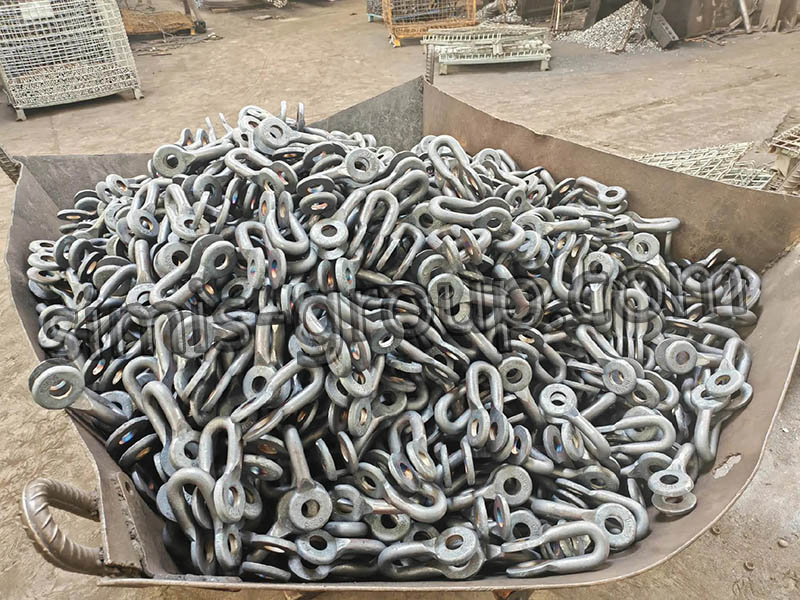
Custom Clevis Manufacturer in China
SIMIS is a custom metal casting, forging and CNC machining manufacturer in China, providing drawing-based manufacturing solutions for custom clevises, forged clevis ends, hydraulic cylinder clevises, threaded fork heads and mechanical linkage fittings.
Our manufacturing capabilities include hot closed-die forging, cold forging, cold extrusion, investment casting, sand casting, CNC machining, heat treatment and surface finishing. These processes can be combined according to the structural characteristics and technical requirements of individual clevis components.
Rather than supplying only standard catalog fittings, SIMIS focuses on OEM clevis components manufactured according to customer-specific dimensions, material grades, mechanical properties and assembly interfaces.
What Is a Clevis?
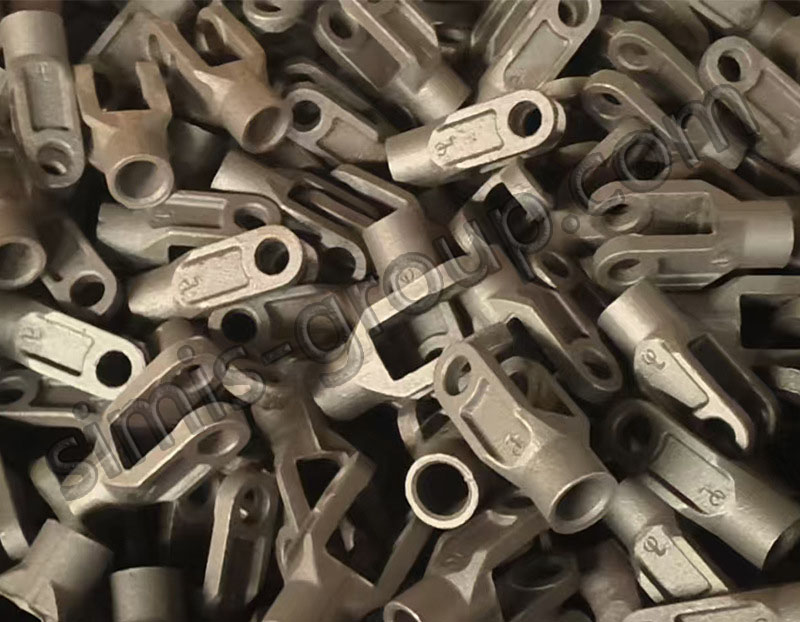
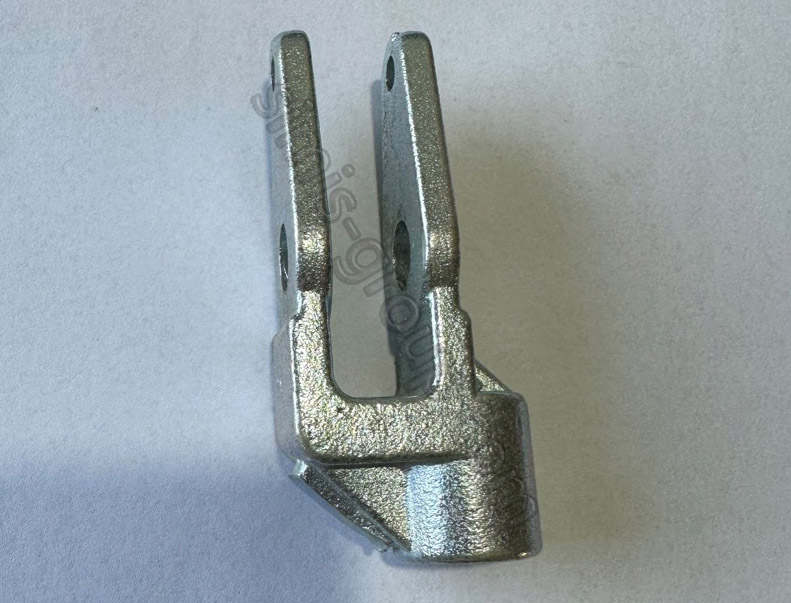
A clevis is a fork-shaped mechanical connecting component, typically consisting of two parallel lugs with aligned pin holes. A mating eye, rod end or connecting member is positioned between the lugs and secured by a clevis pin, allowing the assembly to transmit mechanical loads while permitting controlled pivoting movement.
Clevis fittings are commonly used to connect hydraulic cylinders, pneumatic actuators, mechanical linkages, lifting mechanisms and industrial equipment. Depending on the application, a clevis may be designed with an internally threaded body, externally threaded stem, welding interface, mounting flange or integrated connecting shaft.
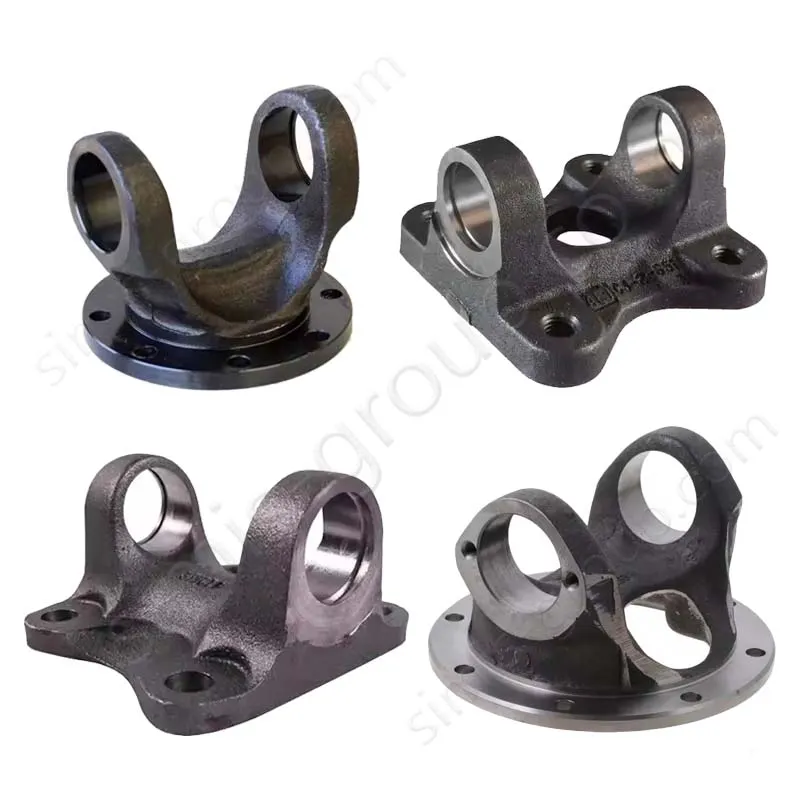
Although a clevis may resemble a universal joint fork in appearance, its primary function is generally to provide a pinned mechanical connection rather than transmit continuous rotational torque through a universal joint cross.
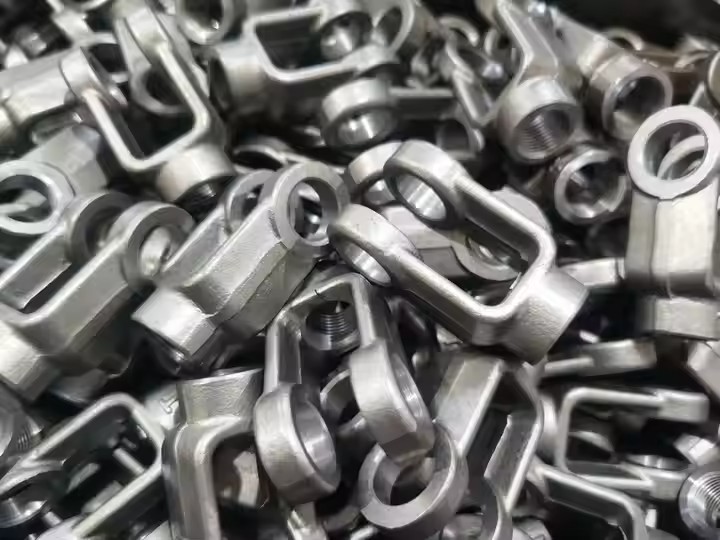
Types of Custom Clevis Components
Hydraulic Cylinder Clevis
Hydraulic cylinder clevises connect hydraulic cylinders to machine structures, moving arms or mechanical linkages. They may be installed at the piston rod end or cylinder base and are designed to accommodate the specified axial loads, pin bearing stresses and operating movement.
Threaded Clevis Rod End
Threaded clevis rod ends feature internal or external threads for connection to piston rods, threaded shafts and adjustable mechanical linkages. Custom thread sizes, pitches, engagement lengths and locking arrangements can be manufactured according to the assembly requirements.
Weld-On Clevis
Weld-on clevises are designed for integration into hydraulic cylinders, structural assemblies and fabricated machinery. Material weldability, welding preparation, section thickness and subsequent heat treatment requirements should be considered during component development.
Clevis Mounting Bracket
Clevis mounting brackets provide a pivoting attachment point between a mechanical actuator and a supporting structure. These components may incorporate mounting holes, reinforced ribs, base plates and other customized structural features.
Heavy-Duty Forged Clevis
Heavy-duty forged clevises are used in demanding engineering applications involving substantial mechanical loads, repeated movement and potential impact. Material grade, fork root geometry, pin hole dimensions and heat treatment are evaluated against the specified service conditions.
Precision Cold Forged Clevis
Precision cold forged clevises and clevis preforms may be suitable for repeat-production applications requiring consistent dimensions, efficient material utilization and reduced machining allowances. Multi-stage cold forming combined with CNC finishing can be evaluated for suitable fork end and linkage designs.
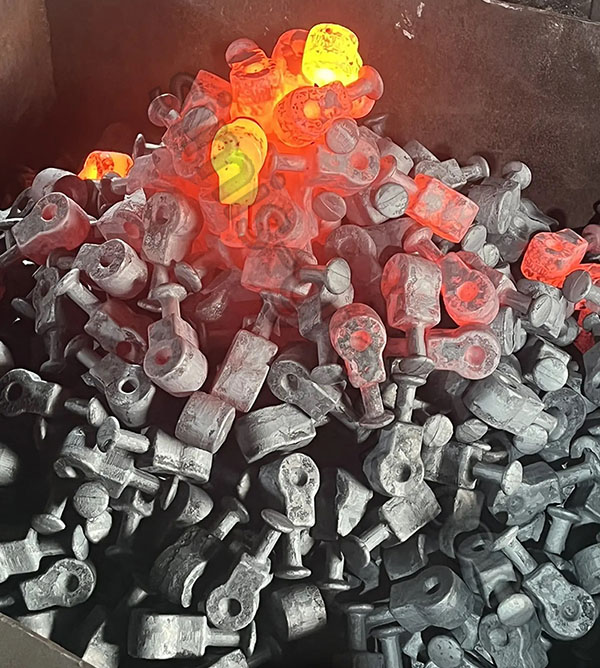
Manufacturing Processes for Custom Clevises
SIMIS evaluates multiple manufacturing routes for custom clevis components. Process selection is based on the specified material, structural geometry, mechanical performance, production volume and finished machining requirements.
1. Hot Closed-Die Forging
Hot closed-die forging is frequently considered for carbon steel and alloy steel clevises requiring mechanical strength, toughness and resistance to repeated loading. Proper die design and controlled material flow can help develop favorable grain flow around the fork arms, connecting stem and transition areas.
• Heavy-duty hydraulic cylinder clevises.
• Construction and agricultural machinery connecting forks.
• Medium and large steel linkage components.
• Near-net-shape blanks for subsequent machining.
• Components requiring specified heat-treated mechanical properties.
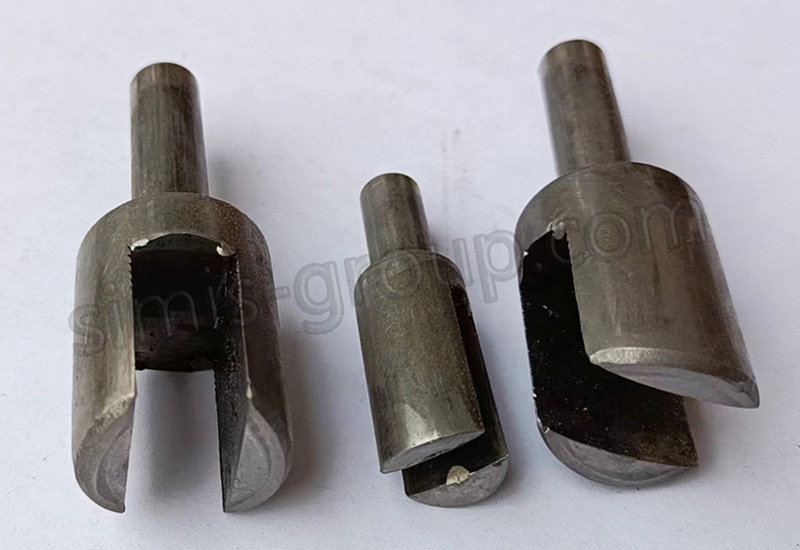
2. Cold Forging and Cold Extrusion
Cold forging and cold extrusion are manufacturing processes in which suitable metal blanks are plastically deformed primarily at or near room temperature using engineered dies and high forming forces.
For custom clevis manufacturing, cold heading, upsetting, forward extrusion and combined forming operations can be evaluated to produce connecting stems, enlarged heads and near-net-shape clevis preforms.
Depending on the component geometry, additional slot machining, drilling, punching, threading or finishing operations may be required to produce the final fork structure and functional interfaces.
• Suitable for selected small and medium-sized clevis components.
• Consistent preform dimensions in repeat production.
• Potentially reduced material waste and machining allowances.
• Potential improvements in strength through controlled work hardening.
• Efficient production for suitable high-volume OEM projects.
• Compatible with multi-stage forming and secondary CNC machining.
Cold forming feasibility depends on material ductility, incoming material condition, forming ratio, fork geometry, die loading and final mechanical-property requirements. Selected medium-carbon steels may require annealing or staged deformation before the final forming operation.
3. Investment Casting
Investment casting, also known as lost wax casting, can be considered for custom clevises with complex external contours, integrated mounting features or specific stainless steel and cast steel material requirements.
The process offers flexibility in producing near-net-shape components, while critical pin holes, threads and mating surfaces can be finished through precision machining. Casting soundness and mechanical properties must meet the agreed application requirements.
4. Sand Casting
Sand casting may be suitable for larger clevis brackets, integrated mounting structures and selected cast steel or ductile iron components. The casting design must consider section thickness, feeding conditions, machining allowances and the mechanical requirements of the finished part.
5. CNC Machining from Solid Material
Direct CNC machining from steel or aluminum bar stock may be considered for prototype development, small production quantities and specialized clevis designs where dedicated casting or forging tooling is not economically justified.
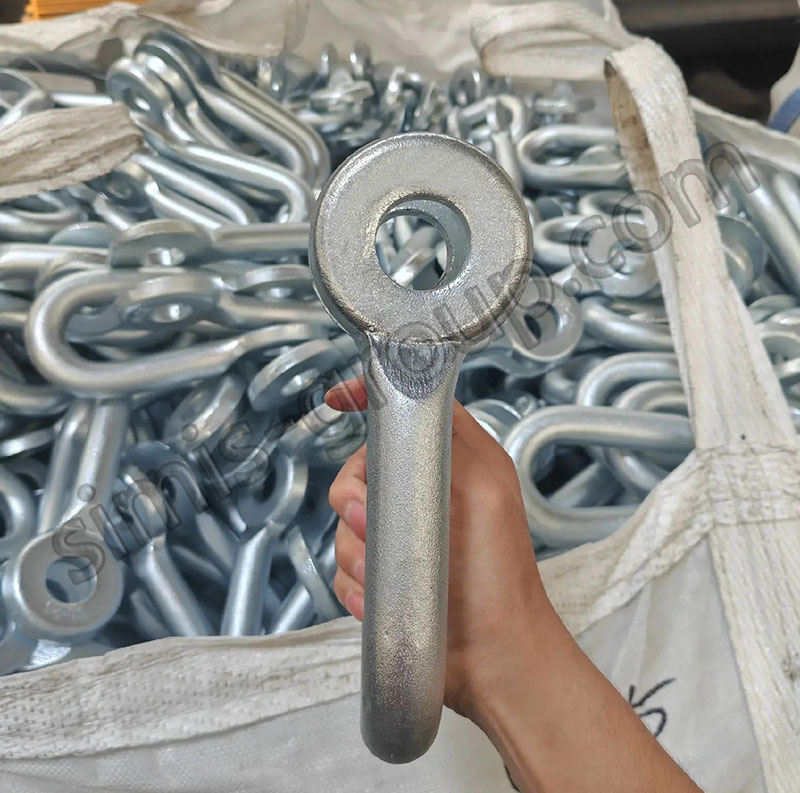
Comparison of Clevis Manufacturing Processes
| Manufacturing Process | Main Advantages | Typical Applications |
|---|---|---|
| Hot Closed-Die Forging | Potential for favorable grain flow, strength and toughness | Heavy-duty clevises, hydraulic fittings and load-bearing linkage parts |
| Cold Forging | Dimensional consistency, material efficiency and repeat-production potential | Suitable small clevises, threaded fork ends and precision preforms |
| Cold Extrusion | Efficient formation of stems and suitable solid or hollow features | Clevis blanks and components requiring formed connecting stems |
| Investment Casting | Complex geometries and near-net-shape manufacturing | Stainless steel clevises and complex cast connecting forks |
| Sand Casting | Flexibility for larger geometries and integrated structures | Large clevis brackets and selected industrial castings |
| CNC Machining | Design flexibility without dedicated forming dies | Prototypes, small batches and precision clevis components |
The final manufacturing route is selected according to customer drawings, material properties, component geometry, expected service loads and project-specific economic requirements.
Materials for Custom Clevis Components
SIMIS manufactures custom clevis components using suitable carbon steels, alloy steels, stainless steels, ductile iron and aluminum alloys. Material selection is based on mechanical loads, fatigue requirements, corrosion exposure, manufacturing feasibility and customer specifications.
| Material | Reference Grades | Manufacturing Considerations |
|---|---|---|
| Low Carbon Steel | AISI 1010, 1018, 1020 | Suitable for selected cold-formed, forged and weld-on components |
| Medium Carbon Steel | AISI 1035, 1040, 1045, C45 | Hot forging and machining; cold forming subject to material conditioning and feasibility review |
| Alloy Steel | AISI 4140, 4340, 42CrMo4 | Heavy-duty forged and heat-treated clevis components |
| Wrought Stainless Steel | AISI 304, 316, 17-4PH | Forged or machined clevises for specified corrosion resistance and mechanical properties |
| Cast Stainless Steel | ASTM A351 CF8, CF8M | Investment cast clevises for suitable service environments |
| Cast Steel | ASTM A27, ASTM A148 grades | Casting routes selected according to grade, geometry and required properties |
| Ductile Iron | EN-GJS-400-15, EN-GJS-500-7 | Selected cast mounting brackets and validated industrial linkage designs |
| Aluminum Alloy | 6061, 6082, 7075 | Lightweight forged or machined clevises; cold forming requires alloy and temper review |
Explore our related material capabilities: Steel Forging and Aluminum Forging. The grades listed above are reference options rather than automatically interchangeable materials. Final grade selection is subject to the approved drawing and applicable material specification.
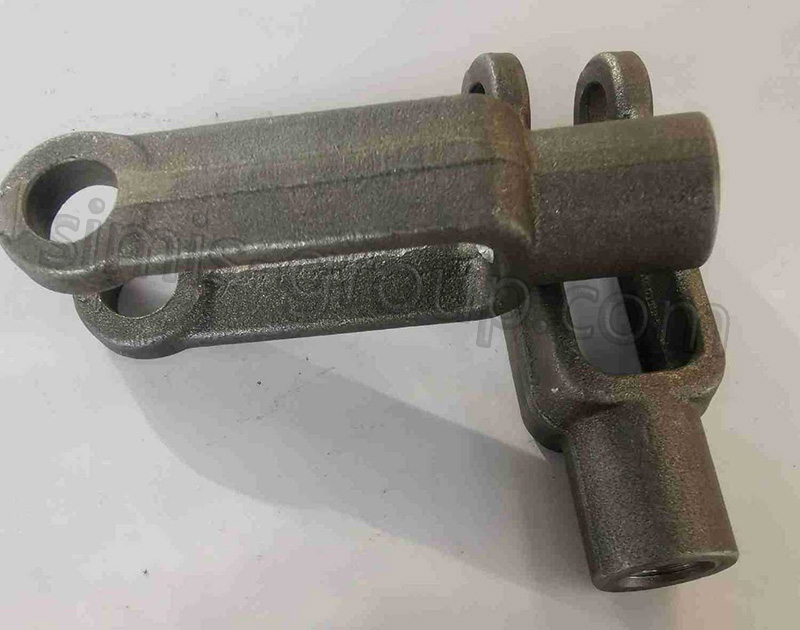
CNC Machining of Custom Clevises
Following casting or forging, SIMIS provides CNC machining services to produce the required pin holes, fork slots, threaded connections and assembly interfaces. Machining sequences are established according to the specified datum system and functional tolerances.
• CNC turning of connecting stems and cylindrical bodies.
• CNC milling of fork slots and mounting surfaces.
• Drilling, boring and reaming of clevis pin holes.
• Internal and external thread machining.
• Counterboring and machining of retaining features.
• Machining of mounting holes and welding interfaces.
• Chamfering, deburring and finishing of functional surfaces.
For clevises with two opposing pin holes, suitable machining fixtures and coordinated machining operations can be used to control bore alignment and reduce assembly difficulties. Dimensional inspection is performed against the agreed drawing requirements.
Critical Design and Dimensional Requirements
The performance of a custom clevis depends not only on its material strength but also on the geometry of the fork arms, pin connection and mating assembly. The following characteristics are typically reviewed during manufacturing feasibility assessment.
| Critical Feature | Functional Importance | Manufacturing and Inspection |
|---|---|---|
| Pin Hole Diameter | Controls pin fit and assembly clearance | Drilling, boring, reaming and bore measurement |
| Opposed Hole Alignment | Supports correct pin installation and load transfer | Controlled machining and positional inspection |
| Internal Fork Width | Provides clearance for the mating eye or connecting member | Slot milling and dimensional measurement |
| Lug Thickness and Edge Distance | Influences bearing stress and resistance to lug failure | Forming control and dimensional inspection |
| Fork Root Radius | Influences local stress concentration | Tooling design and profile inspection |
| Thread Dimensions | Controls connection to piston rods or threaded shafts | Thread machining and gauge inspection |
| Pin Axis to Stem Position | Influences assembly alignment and load distribution | Datum-based machining and geometric inspection |
Clevis load capacity must be evaluated in conjunction with the mating pin, lug geometry, material properties, assembly clearance and actual operating conditions. Manufacturing tolerances and load acceptance criteria should be defined by the customer or responsible design authority.
Heat Treatment and Surface Treatment
Heat Treatment Options
Appropriate heat treatment can be incorporated into the manufacturing process according to the specified alloy, material condition and final mechanical-property requirements.
• Normalizing.
• Annealing and spheroidizing annealing.
• Quenching and tempering.
• Stress relief treatment where required.
• Induction hardening of designated areas where specified.
• Solution treatment and aging for suitable aluminum alloys.
Cold forged components do not necessarily require the same heat treatment sequence as hot forged components. Work hardening, residual stresses, dimensional stability and final material properties must be evaluated before selecting subsequent treatment operations.
Surface Treatment Options
SIMIS supports suitable surface treatment services to meet project-specific corrosion resistance, appearance and functional requirements.
• Zinc plating and compatible passivation treatments.
• Zinc flake coatings.
• Black oxide treatment.
• Phosphating.
• Electrophoretic coating.
• Powder coating and industrial painting.
• Stainless steel passivation.
• Aluminum anodizing.
Coating thickness, thread fit, pin hole clearance and potential hydrogen embrittlement risks for susceptible high-strength steels should be considered when establishing the surface treatment specification.
Quality Control and Inspection
SIMIS follows a project-specific quality control and inspection approach covering raw material verification, casting or forging operations, machining, heat treatment, surface finishing and final inspection.
| Inspection Category | Typical Inspection Items |
|---|---|
| Material Inspection | Material identification, chemical composition and traceability documentation |
| Forging and Casting Inspection | Surface condition, cracks, folds, laps, casting discontinuities and blank dimensions |
| Dimensional Inspection | Pin holes, fork width, lug thickness, thread dimensions and geometric tolerances |
| Mechanical Property Testing | Hardness, tensile properties and impact properties where specified |
| Non-Destructive Testing | Magnetic particle, penetrant or ultrasonic testing where appropriate and agreed |
| Surface Treatment Inspection | Coating appearance, thickness and specified corrosion resistance tests |
| Functional Validation | Assembly verification, proof load or fatigue testing when required by the project |
Inspection methods, sampling frequency, acceptance criteria and documentation requirements are established according to the customer's approved drawings, purchasing specifications and agreed quality plan.
Industrial Applications of Custom Clevises
Custom clevises are widely used in mechanical systems that require pinned connections, controlled movement and the transfer of tensile or compressive loads.
• Hydraulic and Pneumatic Systems: Hydraulic cylinder rod ends, cylinder base connections, pneumatic actuator fittings and adjustable linkages.
• Construction Equipment: Excavator linkages, loader mechanisms, bulldozer actuators and other earthmoving equipment connections.
• Agricultural Machinery: Tractor linkage systems, implement adjustment mechanisms, agricultural equipment actuators and hydraulic attachments.
• Industrial Machinery: Mechanical transmission linkages, automated equipment, operating mechanisms and industrial actuators.
• Material Handling Equipment: Forklift hydraulic mechanisms, conveying equipment and lifting platform connections.
• Automotive and Transportation: Selected vehicle linkage, actuator and mechanical connection components.
• Mining Equipment: Heavy-duty hydraulic systems and mechanical adjustment mechanisms.
• Marine Equipment: Corrosion-resistant linkage components and mechanical fittings for specified operating environments.
Why Choose SIMIS for Custom Clevis Manufacturing?
• Multiple Manufacturing Processes: Hot forging, cold forging, cold extrusion, investment casting, sand casting and CNC machining.
• Drawing-Based OEM Manufacturing: Customized geometries, material grades, pin interfaces and threaded connections.
• Manufacturing Feasibility Review: Evaluation of material selection, tooling design, forming characteristics and machining requirements.
• Integrated Secondary Processing: Machining, heat treatment, surface finishing and inspection within a coordinated manufacturing route.
• Production Flexibility: Manufacturing solutions evaluated for prototypes, small batches and repeat-production projects.
• Project-Specific Quality Control: Inspection and documentation based on agreed technical requirements.
By combining different casting, forging and machining capabilities, SIMIS helps OEM customers evaluate manufacturing alternatives for their custom clevis components without relying on a single production process.
Related Custom Forged and Cast Components
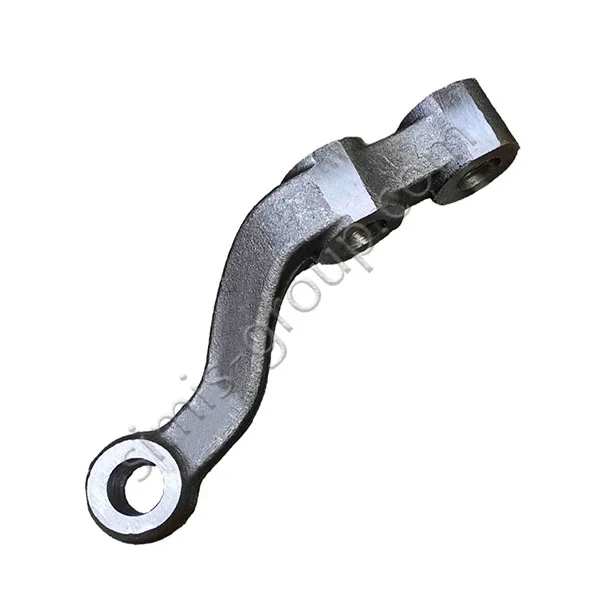
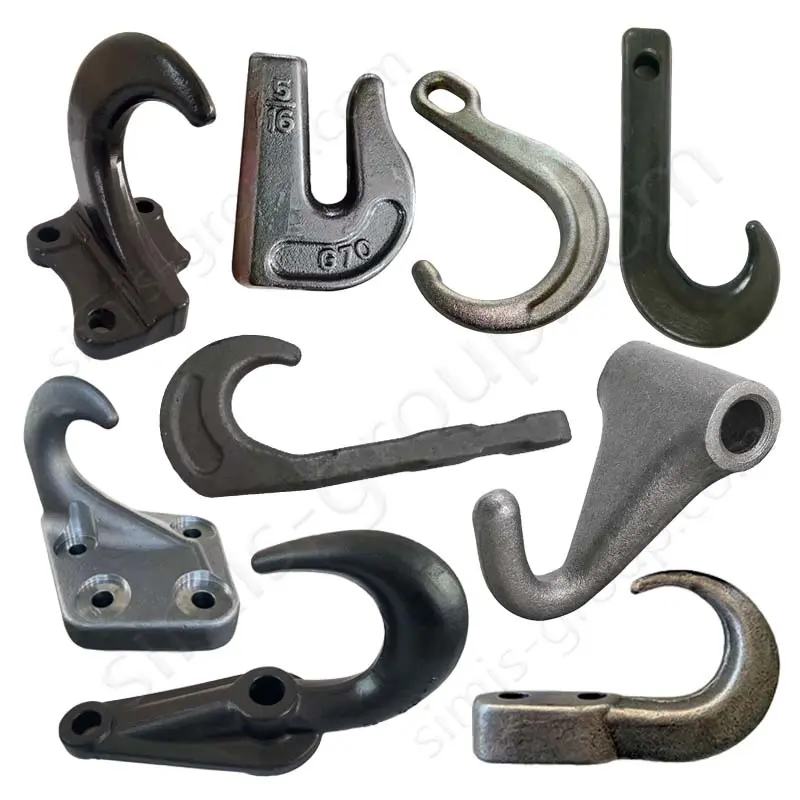
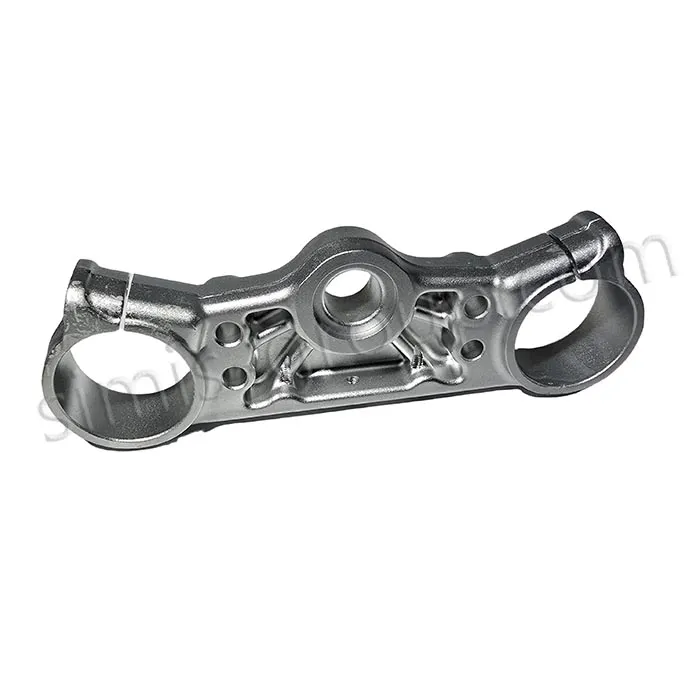
In addition to custom clevises, SIMIS manufactures other drawing-based fork-shaped components, mechanical linkages and power transmission parts.
Request a Quote for Custom Clevis Parts
If you are looking for a reliable custom clevis manufacturer in China, SIMIS can evaluate your drawings and technical requirements to determine a suitable casting, forging or machining solution.
To help us prepare an accurate quotation, please provide the following information:
• 2D engineering drawings and 3D CAD models.
• Required material grade and applicable standards.
• Component dimensions and critical tolerances.
• Operating loads and application environment.
• Pin hole, fork width and thread specifications.
• Prototype quantity, order quantity and estimated annual demand.
• Heat treatment and surface treatment requirements.
• Inspection, testing and documentation requirements.
Contact SIMIS for Custom Clevis Manufacturing
Send us your drawings and technical specifications for a project-specific manufacturing feasibility review and quotation.
Email: info@simis-group.com