Is All Cast Aluminum Safe for Use in Cookware?
Cast aluminum is one of the most widely used materials for modern cookware, favored globally for its ultra-high thermal conductivity (205–237 W/m·K), lightweight density (2.7 g/cm³), excellent formability, and uniform heating performance. Compared with stainless steel, iron castings, and copper alloys, qualified cast aluminum cookware heats 3x faster with a temperature variance of ≤5°C during cooking, delivering superior culinary efficiency and user experience . However, a critical industry and consumer question remains: Is all cast aluminum safe for food contact and daily cooking?
From an international material engineering and food safety perspective, not all cast aluminum alloys are safe for cookware manufacturing. Industrial-grade cast aluminum contains excessive copper, iron, lead, zinc, and other heavy metal impurities, which fail global food contact safety standards and will cause metal migration during high-temperature cooking, posing potential health risks. Only specific food-grade cast aluminum alloys that comply with FDA, EFSA, and ISO food contact regulations can be used for cookware production.

What Is Cast Aluminum in Industrial & Cookware Terminology?
Cast aluminum refers to aluminum-based alloy materials formed by molten metal pouring, mold filling, and solidification casting processes, distinct from wrought aluminum (stamped, rolled aluminum). It features high molding freedom, integrally formed structure, and good high-temperature structural stability, making it the mainstream material for integral cookware such as frying pans, stock pots, pressure cookers, and baking trays.
In international industrial classification, cast aluminum is divided into food-grade cast aluminum and industrial-grade cast aluminum based on chemical composition impurity limits and food contact safety performance. The core difference lies in the control of heavy metal elements and reactive impurities: food-grade cast aluminum strictly limits lead, cadmium, copper, and iron content, while industrial-grade cast aluminum prioritizes mechanical strength and casting fluidity without food safety restrictions .
Global food safety authorities define qualified cookware-grade cast aluminum as: aluminum alloy castings that pass FDA 21 CFR 175.300 (US) and EC No 10/2011 (EU) food contact migration tests, with aluminum ion migration ≤0.3 mg/L under standard cooking simulation conditions .
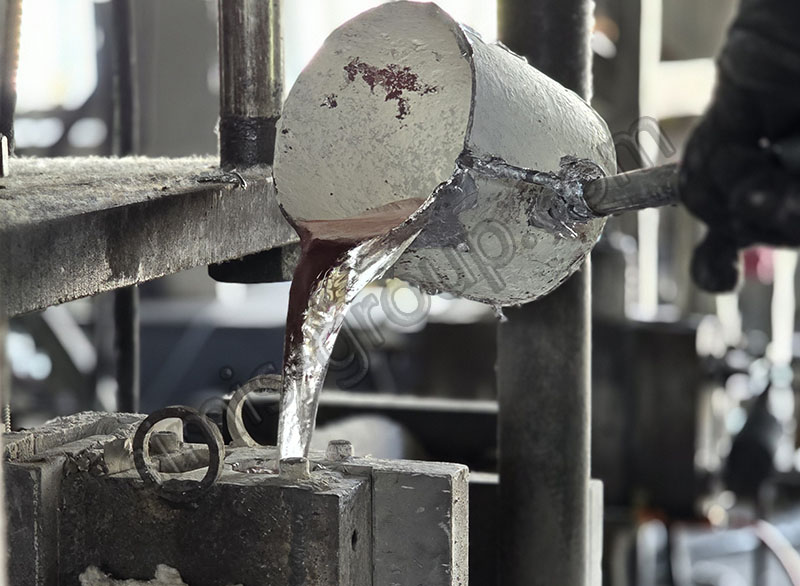
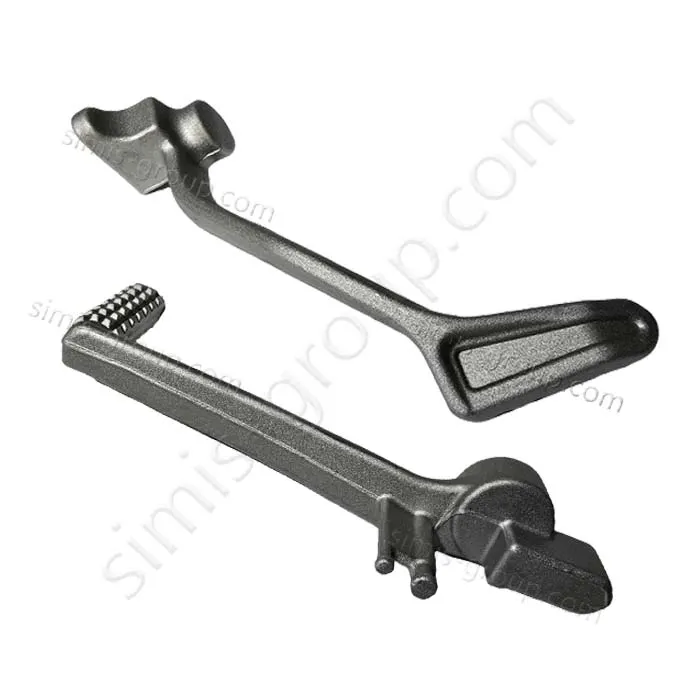
(Aluminum Gravity Permanent Mold Casting)
What Alloy Grades Are Included in Cast Aluminum?
Referring to unified international standards (AA/ASTM US standard, EN European standard, JIS Japanese standard, ISO international standard), cast aluminum alloys applicable to daily manufacturing are mainly divided into four series. Only individual grades are certified for food contact, while most industrial cast aluminum alloys are prohibited for cookware production .
The mainstream international cast aluminum grades and their application attributes are classified as follows:
- 1000 Series Pure Cast Aluminum (AA1100 / ISO Al99.0):
High-purity cast aluminum with aluminum content ≥99.0%, extremely low impurity content, no intentional alloying elements added. Belongs to classic food-grade cast aluminum .
- 3000 Series Aluminum-Manganese Cast Alloy (AA3003 / EN AW-3003):
Micro-manganese alloyed cast aluminum, optimized for corrosion resistance, low impurity content, compliant with global food safety standards .
- 4000 Series Aluminum-Silicon Cast Alloy (ADC1/ADC3 / AC44300/AC43400):
Low-silicon food-grade cast aluminum with strictly controlled silicon and copper content, dedicated to high-end cookware casting .
- Industrial Cast Aluminum (ADC10/ADC12 / A380.0 / AC46000):
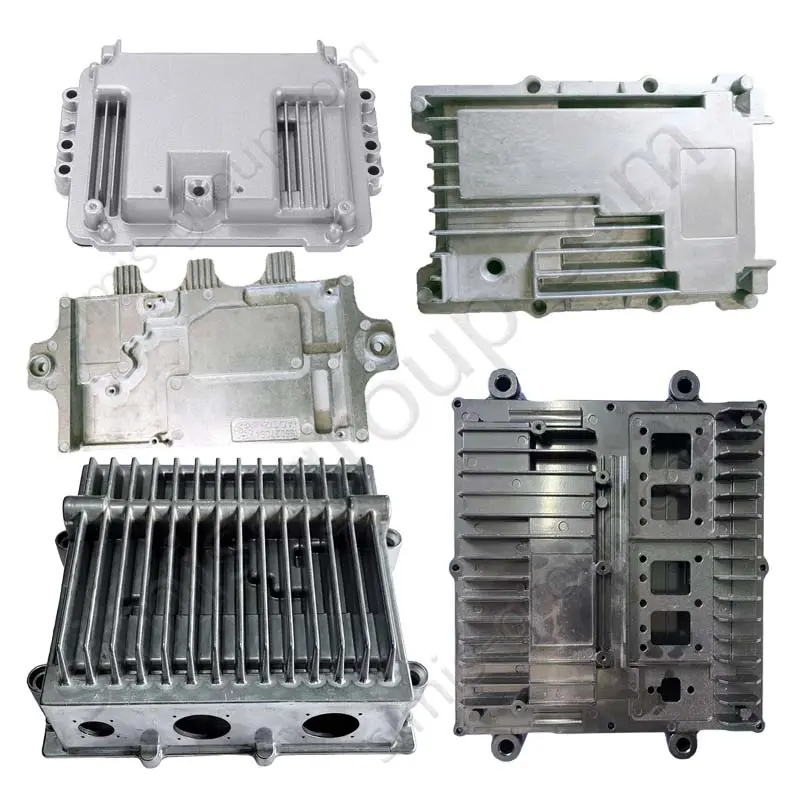
High-silicon high-copper industrial alloys, containing excessive copper, zinc, and iron impurities. High migration risk at high temperature,prohibited for cookware food contact layers, only for mechanical parts and industrial housings .

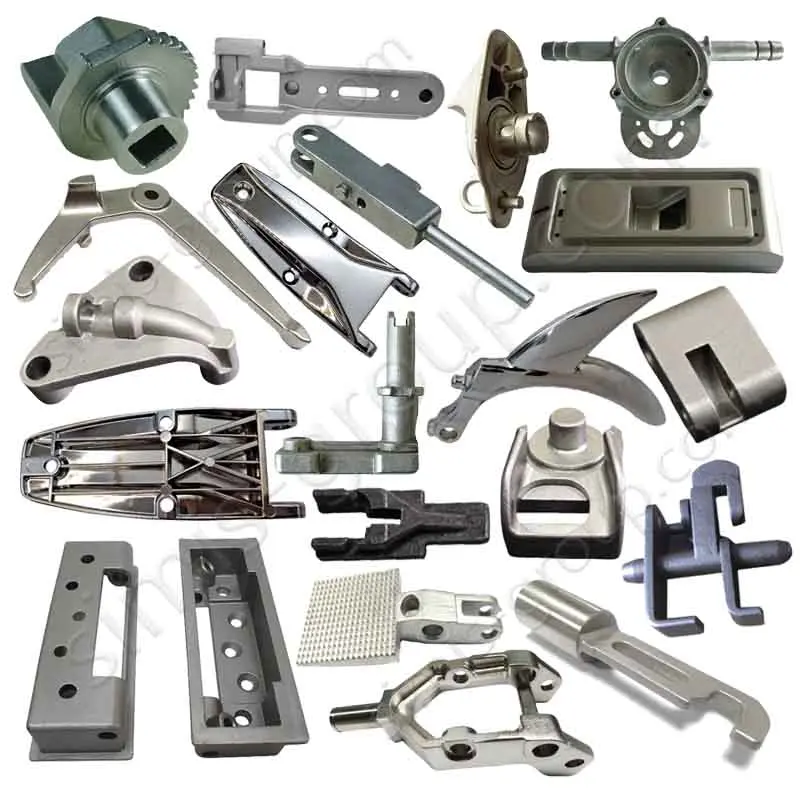
(Aluminum Melting)
Full Performance Comparison of Global Cast Aluminum Alloys (Mechanical, Chemical, Safety, Application)
To clearly distinguish the safety differences between cookware-grade and industrial-grade cast aluminum, the following table integrates international standard data, laboratory test parameters, and industrial application scenarios, covering mechanical properties, chemical stability, food contact safety, and applicable fields of mainstream cast aluminum grades .
International Alloy Grad | Core Mechanical Properties (Standard Test) | Chemical Stability & Corrosion Resistance | Food Contact Safety (FDA/EC Standard) | Main Application Scenarios |
| AA1100 Pure Cast Aluminum (ISO Al99.0) | Tensile strength: 65–110 MPa; Elongation: 25%–50%; Soft texture, excellent formability, uniform casting structure, no internal porosity | Ultra-high chemical stability; Inert to neutral, weak acid, and weak alkaline foods; Low oxidation activity; stable surface oxide film | 100% food-safe. Aluminum migration: 0.08–0.15 mg/L (far below FDA 0.3 mg/L limit); Lead/cadmium migration undetected; Fully compliant with FDA 21 CFR 175.300 and EU EC 10/2011 | High-end uncoated cast aluminum cookware, medical food containers, baby food utensils |
AA3003 Al-Mn Cast Allo | Tensile strength: 110–150 MPa; 30% higher structural rigidity than 1100; good casting fluidity, resistant to daily collision deformation | Manganese element improves corrosion resistance by 30%; Effectively resists acidic food (tomato, citrus) erosion; Stable chemical properties under 220°C high temperature | Food-safe certified. Migration value ≤0.2 mg/L; No heavy metal precipitation; Compliant with global food contact standards | Household frying pans, soup pots, daily universal cookware (most mainstream food-grade cast aluminum) |
ADC3 / AC43400 Al-Si Low-Silicon Alloy | Tensile strength: 140–180 MPa; High hardness, wear resistance, anti-scratch; precise casting molding, suitable for complex cookware structures | Low silicon content (9.0–10.0%), no excessive reactive elements; High-temperature oxidation resistance, stable in long-term high-temperature cooking environment | Food-safe certified. Passes EU EN 1388-2 food contact test; Aluminum migration stable below standard limit | Integral cast thickened cookware, high-temperature resistant baking trays, commercial kitchen utensils |
ADC10 / A380.0 Industrial Al-Si-Cu Allo | Tensile strength: 200–240 MPa; Ultra-high strength, excellent casting fluidity, low cost, industrial universal type | High copper content (3.0–4.0%), high impurity activity; Severe chemical reaction with acidic/alkaline foods at high temperature; Poor corrosion resistance | Non-food-grade, unsafe. Aluminum migration 0.8–1.5 mg/L (3–5 times FDA limit); Copper and lead precipitation detected; Fails EU and US food safety tests | Automotive parts, mechanical housings, industrial die-casting accessories, prohibited for cookware |
ADC12 / AC46000 Industrial High-Silicon Alloy | Tensile strength: 190–230 MPa; Good mold filling performance, low production cost, widely used in industrial casting | High silicon (9.6–12.0%) and iron impurities; Easy to produce micro-cracks at high temperature; Accelerated metal precipitation in cooking environment | Non-food-grade, unsafe. Exceeds California Prop 65 heavy metal limits; Long-term use causes excessive aluminum intake | Electrical equipment shells, industrial hardware, strictly prohibited for food contact |

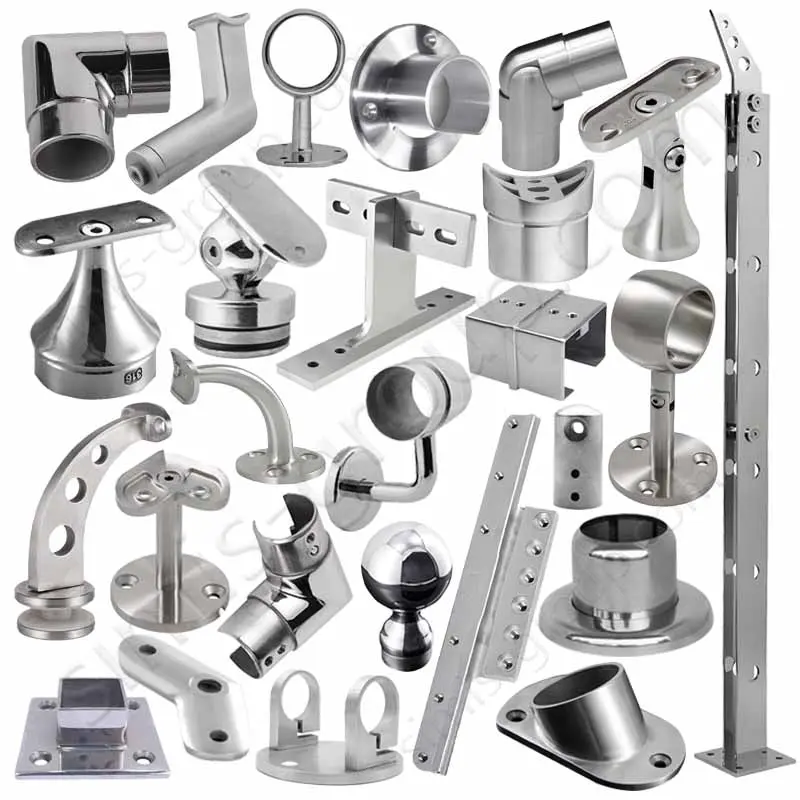
(AA1100 Pure Cast Aluminum)
Which Cast Aluminum Alloy Is Mainly Used for Qualified Cookware?
Combined with global cookware manufacturing standards and third-party laboratory test data, AA3003 aluminum-manganese cast alloy and AA1100 high-purity cast aluminum are the two mainstream exclusive food-grade cast aluminum materials for international cookware, among which AA3003 is the most widely used in commercial and household cookware .
The core reasons why these two alloys replace industrial cast aluminum and become the standard for cookware materials are verified by international experimental data:
1. Strict Compliance with Global Food Safety Migration Standards
According to 2025 EFSA (European Food Safety Authority) simulation cooking experiments: under extreme cooking conditions (boiling acidic tomato solution at 100°C for 4 hours), the aluminum migration of AA3003 and AA1100 cast aluminum is only 0.12–0.22 mg/L, far lower than the FDA mandatory limit of 0.3 mg/L and EU EC 10/2011 limit of 0.5 mg/L. In contrast, industrial ADC12 cast aluminum reaches 1.2 mg/L under the same test conditions, seriously exceeding the standard .
2. Balanced Mechanical Performance Adapted to Cooking Scenarios
Cookware requires both lightweight and anti-deformation performance. AA3003 cast aluminum has 30% higher rigidity than pure aluminum AA1100, effectively solving the soft and deformable problem of high-purity aluminum during long-term high-temperature use. Its hardness and wear resistance fully meet daily frying, boiling, and high-temperature baking needs, while avoiding the excessive impurity precipitation risk of high-strength industrial alloys .
3. Excellent High-Temperature Chemical Stability
International ASTM B117-21 salt spray and high-temperature aging tests prove that food-grade cast aluminum forms a dense inert alumina protective film on the surface at 180–220°C, which is non-reactive with acidic, alkaline, and salty foods. Industrial cast aluminum with high copper and silicon content cannot form a stable protective film, and continuous metal precipitation occurs during high-temperature cooking .
4. Zero Harmful Additives, Long-Term Safe Service Life
Food-grade cast aluminum strictly controls lead ≤0.05%, cadmium ≤0.01%, and no heavy metal additives. Long-term aging tests show that after 500 high-temperature cooking cycles, the migration value remains stable without quality attenuation, meeting the 5–10 year service life safety requirements of household cookware .

Why Industrial Cast Aluminum Is Absolutely Unsafe for Cookware?
Many low-cost counterfeit cookware on the global market uses industrial ADC10/ADC12 cast aluminum to replace food-grade materials. International medical and material experiments have confirmed its potential hazards:
·Excessive heavy metal precipitation:
Industrial cast aluminum contains 3%–4% copper and excessive iron and zinc. Long-term high-temperature cooking will cause heavy metal enrichment in the human body, affecting liver and kidney metabolic functions .
·Excessive aluminum ion migration:
Long-term intake of excessive aluminum ions may affect nerve cell metabolism. The World Health Organization (WHO) stipulates that human daily aluminum intake should not exceed 2 mg/kg of body weight, and unqualified industrial cast aluminum cookware will cause users to exceed the safe intake standard.
·Poor structural stability:
Industrial cast aluminum is prone to internal micro-porosity and thermal deformation at high temperature, resulting in local overheating during cooking, burnt food, and accelerated material aging .

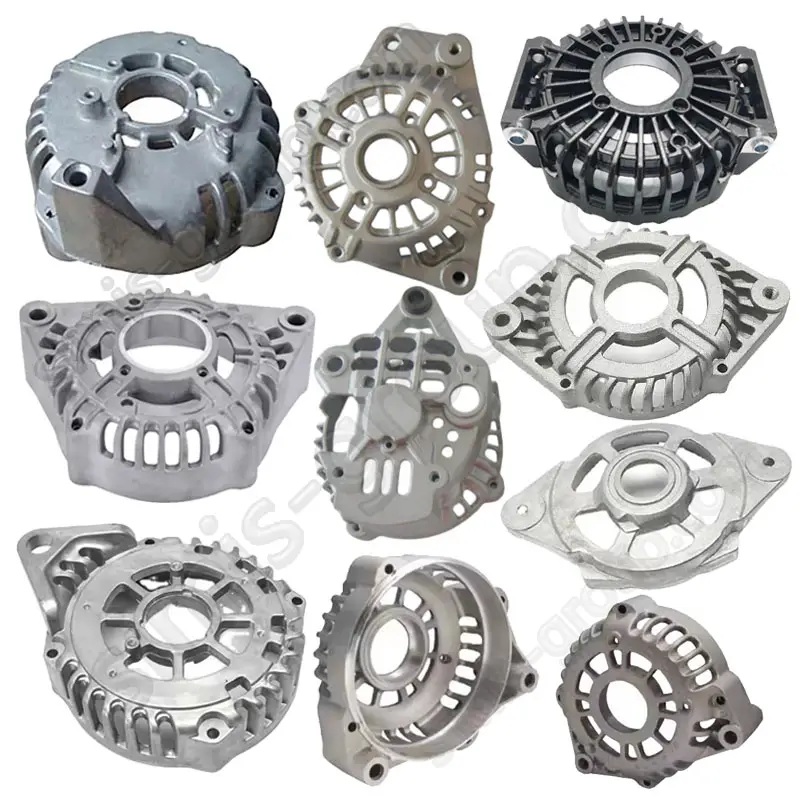
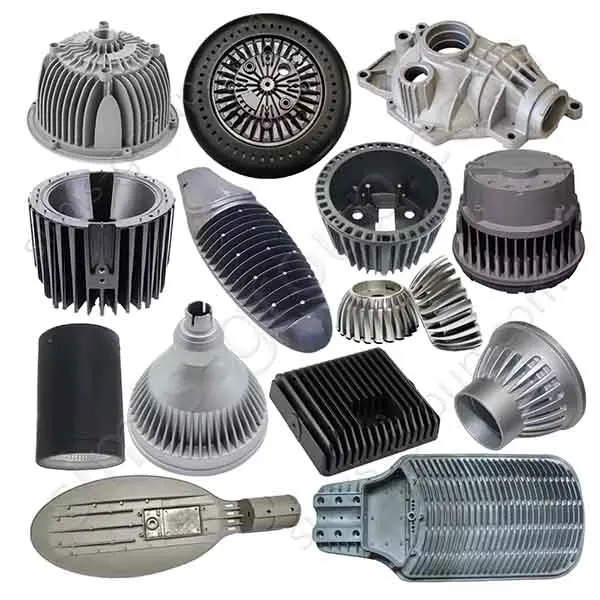
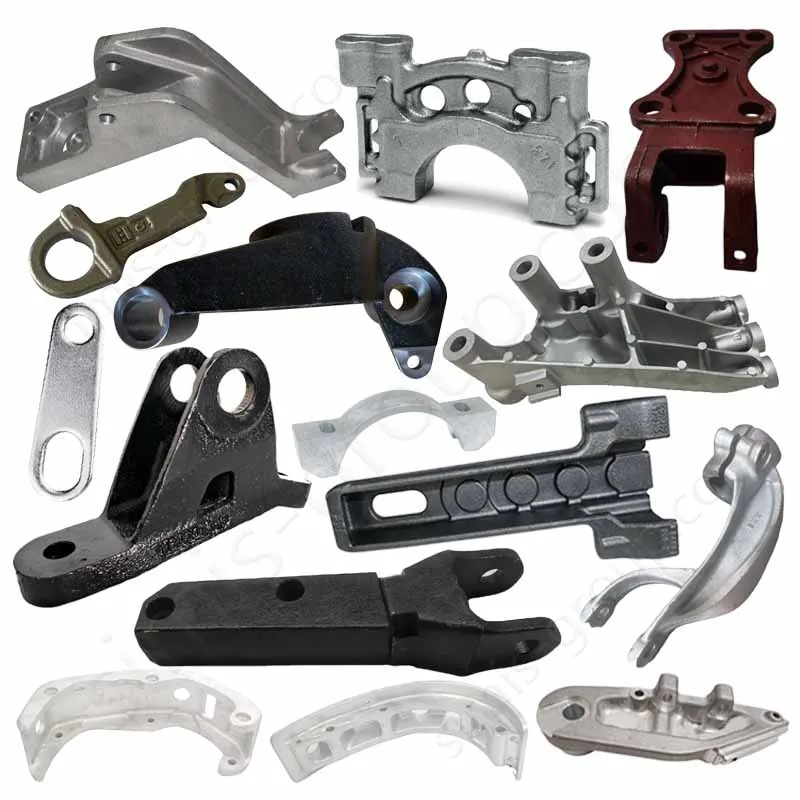
(Industrial Cast Aluminum Alloy)
How to Judge Whether Purchased Cast Aluminum Cookware Is Safe?
For global consumers and procurement personnel, the safety of cast aluminum cookware can be accurately identified through international certification standards, material marking rules, and simple auxiliary detection methods, avoiding unqualified industrial alloy products.
1. Check Official International Safety Certifications (Core Basis)
Qualified safe cast aluminum cookware must hold the following valid certifications, which are mandatory access standards for EU, US, and global mainstream markets:
- US FDA 21 CFR 175.300 Food Contact Material Certification
- EU EC No 10/2011 Food Contact Aluminum Alloy Compliance Certification
- EU EN 1388-2 Metal Material Migration Test Report
- California Prop 65 Heavy Metal Limit Certification
Products without the above certifications are mostly industrial cast aluminum with hidden safety hazards.
2. Check International Alloy Grade Markings
Formal qualified cookware will be permanently marked with international standard alloy grades on the bottom: AA1100, AA3003 (safe food-grade). If marked with ADC10, ADC12, A380.0, AC46000 or unmarked, it is industrial non-food-grade cast aluminum, not recommended for purchase .
3. Distinguish Surface Process & Product Quality
Safe food-grade cast aluminum cookware mostly adopts anodizing, ceramic coating, or food-grade non-stick coating processes. The surface is smooth and dense without pores, and the protective layer further isolates metal migration .
Unqualified industrial cast aluminum cookware has rough surface, tiny pores, dark color, and no formal protective process, prone to oxidation and blackening after short-term use.
4. Professional Laboratory Migration Detection (Accurate Verification)
According to ISO 6892-1 standard test method, simulate daily cooking with 4% acetic acid solution (simulating acidic food) at 100°C for 2 hours, and detect metal migration content: aluminum migration ≤0.3 mg/L and no heavy metal precipitation is qualified; otherwise, it is unqualified unsafe cast aluminum .
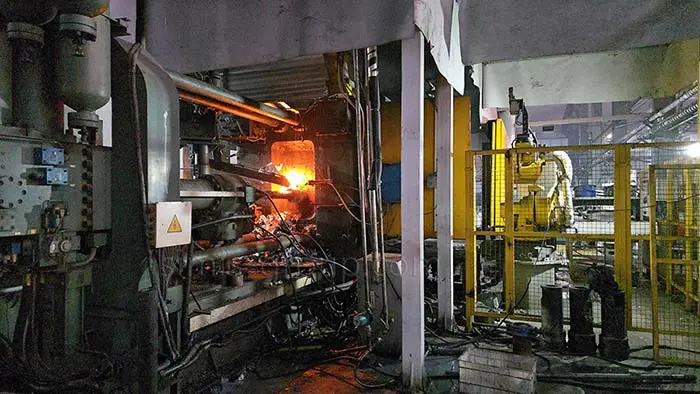
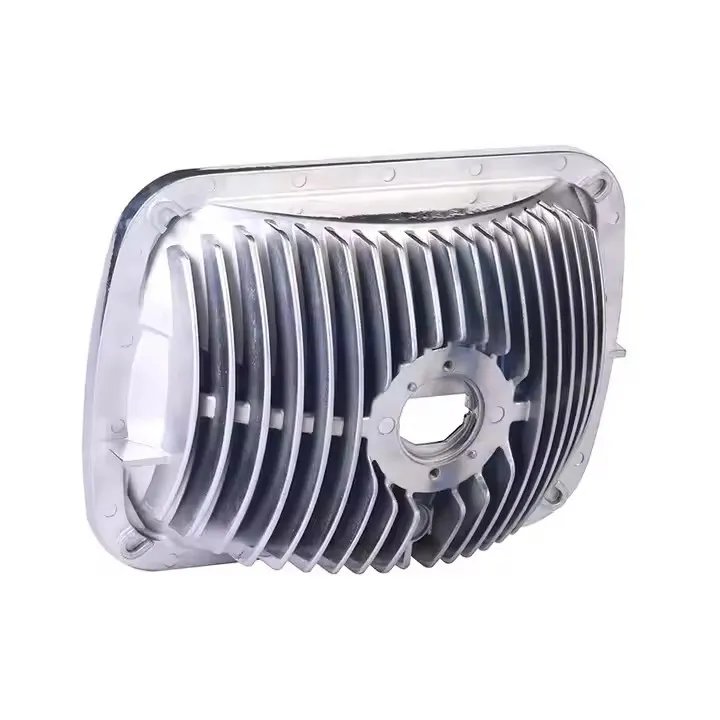
(Aluminum Alloy Die Casting Process)
Conclusion
In summary, not all cast aluminum is safe for cookware use. The safety boundary is clearly defined by international standards: only food-grade cast aluminum represented by AA1100 and AA3003 complies with FDA, EFSA, and ISO food contact regulations, with stable chemical properties and qualified migration data, suitable for long-term household and commercial cooking .
All industrial-grade cast aluminum alloys such as ADC10, ADC12, and A380.0 contain excessive impurities, fail international food safety migration tests, and have potential health risks, which are strictly prohibited for manufacturing food contact cookware. When purchasing cast aluminum cookware, users must prioritize international safety certifications and standard alloy markings to avoid unqualified industrial materials.
With standardized material selection and formal surface protection treatment, qualified cast aluminum cookware is one of the safest, most efficient, and most durable cooking materials recognized by global authorities, with no aluminum precipitation or health hazards in daily normal use .
Simis Aluminum Foundry is a professional aluminum casting service provider focusing on industrial clients. It primarily offers a variety of mature process solutions, including aluminum die casting, aluminum gravity permanent mold casting, and aluminum sand casting. Guided by global client needs, the company provides customized production and precision machining based on client-provided engineering drawings and technical specifications, serving a wide range of industries including automotive, machinery, electronics, and industrial components. Simis also possesses the capability to develop and manufacture food-grade aluminum alloy products, customizing aluminum cookware and related products according to international food contact standards (such as EN and FDA), meeting both safety and performance requirements in material selection, composition control, and surface treatment. Through rigorous quality control and process management, Simis strives to achieve a balance between dimensional accuracy, structural complexity, and batch stability, providing clients with highly reliable overall solutions for aluminum alloy castings.