What different types of molding sand are used in sand casting?
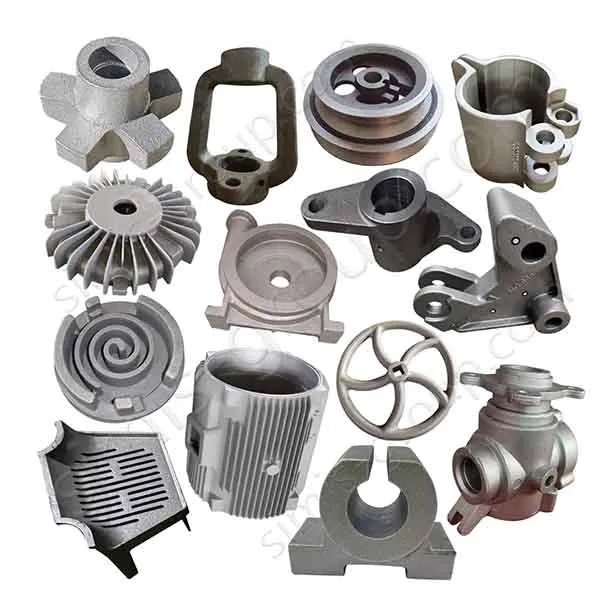
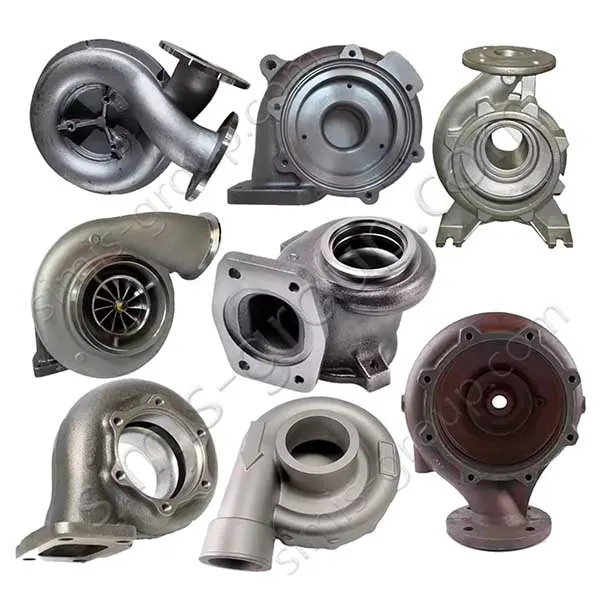
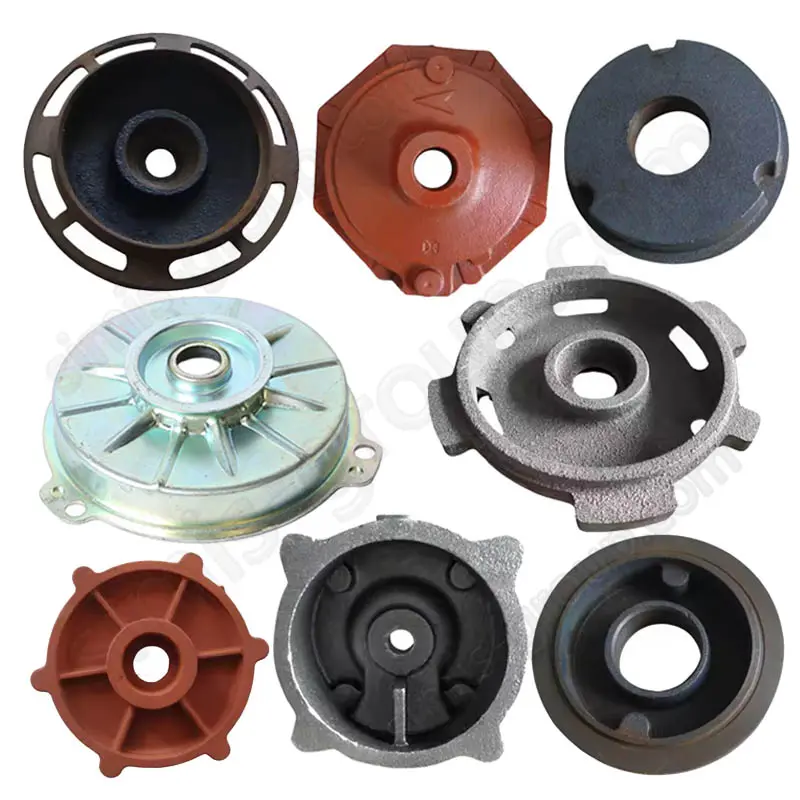
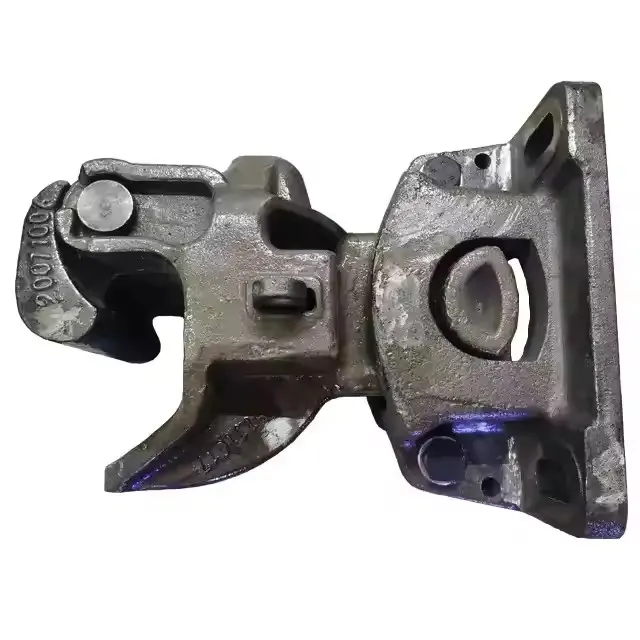
Sand casting is the most widely used and versatile casting process in the foundry industry. Its core principle is to utilize the plasticity, permeability, and high-temperature resistance of sand to create a sand mold that matches the shape of the casting. Molten metal is then poured into the sand mold cavity. After the metal cools and solidifies, the sand mold is broken to obtain the finished casting. As an engineer with extensive experience in sand casting process design and production, this article will systematically explain the basics of sand casting, the types and characteristics of sand used, practical examples of the core logic of sand mold selection, application scenarios of sand casting, and recommendations for professional sand casting foundries, providing precise technical references and practical guidance for engineering technicians and purchasing personnel.
What is sand casting and what are its core technological characteristics?
Sand casting is a process that uses sand as the primary molding material, along with binders, additives, and other auxiliary materials. It involves a series of steps including molding, core making, mold assembly, pouring, cooling, sand removal, and cleaning to produce metal castings. It is currently the most widely used casting process in industrial production, accounting for over 70% of global casting output. The core advantages of sand casting are its strong adaptability, low production cost, and short production cycle. It can produce castings ranging from a few grams to hundreds of tons, with shapes ranging from simple to complex, and is suitable for casting various materials, including ferrous metals (gray cast iron, ductile iron, carbon steel, alloy steel) and non-ferrous metals (aluminum alloys, copper alloys, magnesium alloys).
From an engineering practice perspective, the core technological characteristics of sand casting are reflected in three aspects: First, the molding material (sand) is widely available and inexpensive, and either natural sand or artificial sand can be used, with some sand being recyclable, thus reducing production costs; second, the process is highly flexible, and can be customized using manual, semi-automatic, or fully automatic molding methods according to the batch size, dimensions, and precision requirements of the castings, adapting to both small-batch customization and large-scale mass production; third, it is highly adaptable to the structure of castings, especially suitable for producing parts with complex internal cavities and irregular shapes, without the need for complex mold processing, enabling rapid sample production and mass production.
In the core process of sand casting, sand is the core molding material. Its properties directly determine the strength, permeability, and high-temperature resistance of the sand mold, which in turn affect key indicators such as the surface quality, internal defects, and dimensional accuracy of the casting. Whether the sand selection is reasonable is one of the core factors for the success or failure of sand casting, and it is also a key aspect that needs to be controlled in engineering design.
What types of sand are used in sand casting?
Sand used in sand casting can be broadly classified into two categories based on its source, composition, processing method, and properties: natural sand and artificial sand . Each category contains several specific types of sand. Different types of sand exhibit significant differences in chemical composition, high-temperature resistance, permeability, and strength, making them suitable for various sand casting scenarios and casting quality requirements. Based on engineering practice, the following are the most commonly used sand types in sand casting, along with their core characteristics and detailed technical specifications.
| Types of sand | Core ingredients | Key Features | High temperature resistance (°C) | Breathability (ml/(cm²·min)) | Applicable Scenarios |
| Silica sand (natural quartz sand) | SiO₂ (90%~99%), containing small amounts of Al₂O₃ and Fe₂O₃ | It has the widest availability and lowest cost; uniform particle size, good air permeability, and moderate plasticity; its strength at room temperature meets the requirements of conventional sand molds, but it is prone to softening at high temperatures and pulverizing after repeated use, requiring the use of a binder; according to the SiO₂ content, it can be divided into ordinary silica sand (SiO₂ < 90%), high-quality silica sand (SiO₂ ≥ 90%), and high-purity silica sand (SiO₂ ≥ 98% ). The higher the purity, the better the high-temperature resistance. | 1200~1500 | 80~150 | Small to medium-sized gray cast iron, ductile iron, and low-carbon steel castings, mass-produced parts with general requirements for surface quality and dimensional accuracy. |
| Zircon sand | ZrSiO₄ (more than 95%) | Artificial sand has extremely high temperature resistance, good volume stability at high temperatures, is not easily deformed, and does not stick to other parts; its particles are rounded and have good air permeability, which can significantly improve the surface quality and dimensional accuracy of castings; however, it is extremely expensive, scarce in resources, and difficult to process, and is generally only used for high-end precision castings. | 2200~2400 | 100~180 | High-temperature alloys, stainless steel, and precision alloy steel castings; parts with extremely high requirements for surface roughness and dimensional accuracy (such as aerospace components). |
| Chromite sand | FeCr₂O₄ (80%~90%) | It has excellent high temperature resistance, high high temperature strength, and strong resistance to sand adhesion and corrosion; it has good chemical stability and does not easily react with molten metal, which can effectively reduce sand inclusions and sand holes in castings; however, it has a high cost and contains chromium, making environmental treatment difficult and requiring compliance with environmental standards before use. | 1800~2000 | 70~120 | Medium and high carbon steel, alloy steel, and stainless steel castings; large thick-walled castings (such as machine tool beds and heavy machinery bases ). |
| Expanded clay aggregate (artificial ceramic sand) | Al₂O₃ and SiO₂ are sintered at high temperature to produce | Artificial sand has round and uniform particles, good air permeability, strong high-temperature volume stability, and is not easy to pulverize; it is lightweight, which can reduce the weight of sand molds, and it is environmentally friendly and pollution-free with a high recyclability; it has moderate strength, is compatible with a variety of binders, and has a better cost performance than zircon sand and chromite sand. | 1500~1800 | 90~160 | Aluminum alloy, copper alloy, and low-to-medium carbon steel castings require certain surface quality and are suitable for mass production scenarios that prioritize environmental protection and low cost. |
| Agate sand (fused ceramic sand) | Al₂O₃ and SiO₂ are melted at high temperature and then cooled to form the final product. | Artificial sand boasts superior overall performance; its rounded particles and smooth surface offer better air permeability, high-temperature resistance, and strength than natural silica sand. It exhibits exceptional resistance to breakage and pulverization, and can be reused 3-5 times more frequently than silica sand, effectively reducing sand loss and production costs. Environmentally friendly and pollution-free, it is the preferred material for high-end sand casting. | 1600~1900 | 110~190 | Precision aluminum alloy, stainless steel, and alloy steel castings; automotive parts; EV battery housings; high-end mechanical parts—scenarios where both quality and cost-effectiveness are required. |
| Olivine Sand | (Mg,Fe)₂SiO₄ | The product of combining natural sand and artificial sand is chemically neutral and does not react with materials such as high manganese steel; it has good high-temperature resistance, a low coefficient of thermal expansion, and is not prone to casting cracks; it is environmentally friendly and non-toxic, and has no silicon dust hazard, but it has high hardness and causes greater wear on equipment. | 1750~1850 | 85~130 | High-manganese steel castings (such as turnouts and track plates) and alloy steel castings are used in scenarios where environmental protection and casting crack control are required. |
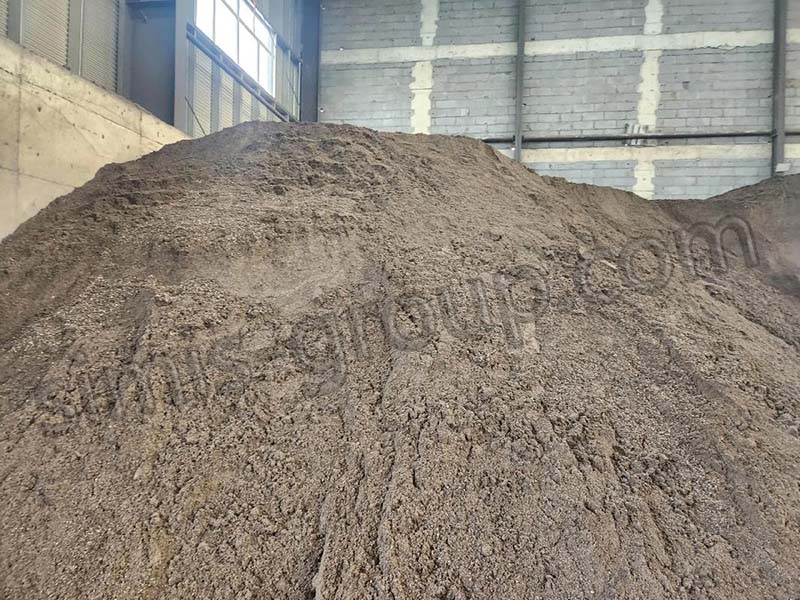
(silica sand)
What are the commonly used molding sand types in sand casting?
In sand casting, sand is typically used in conjunction with binders (clay, resin, water glass, etc.) to form "molding sand." Sand acts as aggregate, binders enhance the strength and plasticity of the mold, and additives (such as coal powder and sawdust) improve permeability and prevent sand from sticking. Different types of sand have varying compatibility with binders. For example, silica sand is compatible with both clay and resin binders, while zircon sand and zirconia sand are better suited to resin binders. This is a factor that needs to be considered simultaneously when selecting sand.
| Molding Sand Types | Core components (aggregate + binder) | Key Features | High temperature resistance (°C) | Molding strength (MPa) | Applicable Scenarios |
| Clay molding sand | Aggregate: Silica sand (main); Binder: Clay (bentonite, ordinary clay) + water; Additives: Coal powder, sawdust | Lowest cost and wide availability; good plasticity and strong formability, suitable for both manual and fully automatic molding; moderate air permeability, easily softens at high temperatures, and has average anti-sand adhesion performance; recyclable with a recycling rate of over 60%, suitable for mass production of conventional castings. | 1200~1450 | 0.2~0.5 | Small and medium-sized gray cast iron, ductile iron, and low-carbon steel castings, for mass-produced parts with general requirements for surface quality and dimensional accuracy (such as machine tool bases and flanges). |
| Resin molding sand | Aggregates: sappanwood, zircon sand, silica sand; Binders: phenolic resin, furan resin; additives: curing agent, release agent. | It has high molding strength, good dimensional stability, and high casting dimensional accuracy; excellent air permeability, strong resistance to sand adhesion and erosion; fast molding speed, suitable for complex structure castings; higher cost, and some resins have an irritating odor, requiring environmental protection treatment. | 1400~2200 (depending on aggregate) | 0.8~1.5 | Precision alloy steel, stainless steel, and aluminum alloy castings; automotive parts, EV battery housings, aerospace components, and other products requiring high precision and surface quality. |
| Water glass molding sand | Aggregates: silica sand, chromite sand; Binder: sodium silicate; additives: curing agents ( CO₂, organic esters) | It has excellent high temperature resistance and strong anti-sand adhesion, making it suitable for high-temperature alloys and large, thick-walled castings; it has a fast molding speed, poor collapsibility, and is difficult to clean; it has a moderate cost and average environmental performance, and the amount of water glass added needs to be controlled. | 1500~2000 | 0.6~1.0 | Castings made of medium and high carbon steel, alloy steel, and large, thick-walled components (such as heavy machinery bases and stainless steel gears), and castings used under high-temperature conditions. |
| Organic ester water glass molding sand | Aggregates: silica sand, granulated sand; Binder: water glass + organic ester curing agent; additives: disintegrating agent, anti-adhesion agent. | It combines the high-temperature resistance of water glass molding sand with the collapsibility of resin molding sand, reducing cleaning difficulty; it has high molding strength and good dimensional accuracy; it is more environmentally friendly than traditional water glass molding sand, has a moderate cost, and is suitable for various casting types. | 1450~1900 | 0.7~1.2 | Aluminum alloy, copper alloy, and medium carbon steel castings; complex structural castings that require precise cleaning (such as engine blocks) and are produced in batches. |
| Coated Sand | Aggregates: silica sand, granulated sand; Binder: phenolic resin (coated form); additives: curing agent, lubricant. | The particles are uniform and the surface is smooth, resulting in extremely high surface quality of the castings; the forming precision is high, the collapsibility is good, and the cleaning is convenient; the high temperature resistance is moderate, making it suitable for core making and small precision castings; the cost is relatively high, but it is economical for mass production. | 1300~1700 | 0.9~1.6 | Precision casting cores, small aluminum alloy and stainless steel parts, and automotive parts (such as intake manifold and camshaft cores). |
The core properties of molding sand are jointly determined by aggregate (sand) and binder. The suitable application scenarios for different molding sands are closely related to the characteristics of the aggregate and the performance of the binder. In actual production, the selection of molding sand needs to be combined with the casting material, precision requirements, production batch and cost budget, while also considering the recyclability of molding sand to reduce production losses and environmental pressure.
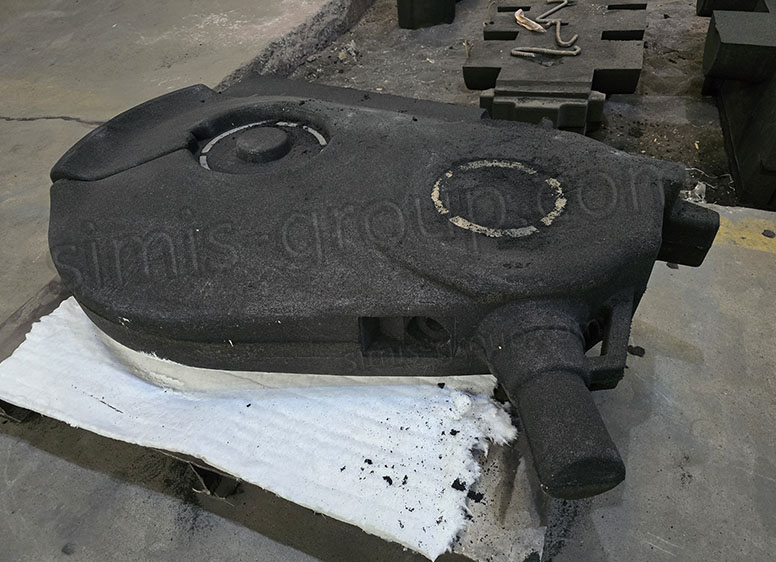
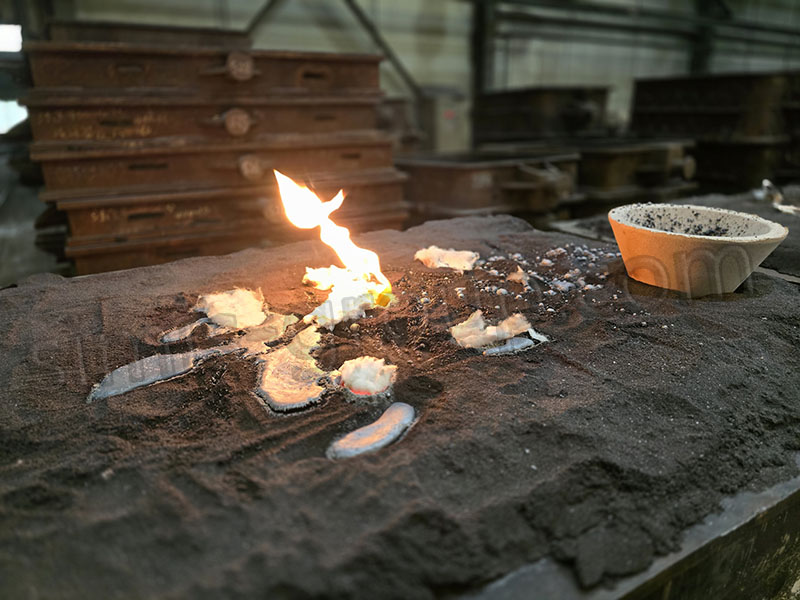
(Resin molding sand is used for casting)
How to select the right molding sand based on the casting material, surface condition, application scenario, and price?
The selection of molding sand is the core of sand casting process design. As the core component of sand mold, the properties of molding sand (strength, permeability, high temperature resistance, etc.) directly determine the quality of castings. When selecting molding sand, it is necessary to make a comprehensive judgment based on four core factors: the material of the casting, surface quality requirements, application scenario, and production cost. It is necessary to meet the quality requirements of castings while also taking into account economy and production feasibility.
The following three case studies from China Simis sand foundry illustrate the logic and methods for selecting different molding sands.
Case 1: Gray cast iron machine tool base (mass production, low cost, medium quality requirements)
Key parameters: The casting material is EN-GJL-200 gray cast iron, the casting weight is 500kg, the dimensions are 1800mm×800mm×300mm, the surface roughness requirement is Ra≤12.5μm, the dimensional accuracy is CT10~CT11, the application scenario is ordinary machine tool support, without high temperature and high pressure conditions, mass production (annual production capacity of 1000 pieces), and strict cost control requirements (unit cost of casting ≤ $1.3 /kg).
Molding sand selection logic and data:
① Material compatibility: Gray cast iron has a low melting point (1150~1250℃), and clay molding sand (high temperature resistant 1200~1450℃) fully meets the requirements. Its aggregate is silica sand, which is combined with clay binder. It has good formability, low cost, and can form stable sand molds.
② Surface and precision requirements: Medium surface roughness and dimensional accuracy are sufficient with clay molding sand (compatible with high-quality silica sand aggregate), and there is no need to use high-end resin molding sand;
③ Application scenarios: Ordinary machine tool bases, no complex working conditions, the molding strength (0.2~0.5MPa) and air permeability (80~150ml/(cm²·min)) of clay molding sand do not need to be too high, which can meet production needs;
④ Price factor: The reference cost of clay molding sand is 280 yuan/ton, which is much lower than that of resin molding sand and coated sand. It can also be recycled (recycling rate of more than 60%), which can effectively control production costs.
Selection result: Clay molding sand (aggregate is high-quality silica sand, combined with bentonite binder). Actual application effect: casting sand hole and sand inclusion defect rate ≤2%, surface roughness Ra=10~12.5μm, dimensional accuracy meets CT10 requirements, unit casting molding sand cost is only $0.08 /kg, which meets the needs of mass production and cost control, and is the optimal choice for this type of casting.
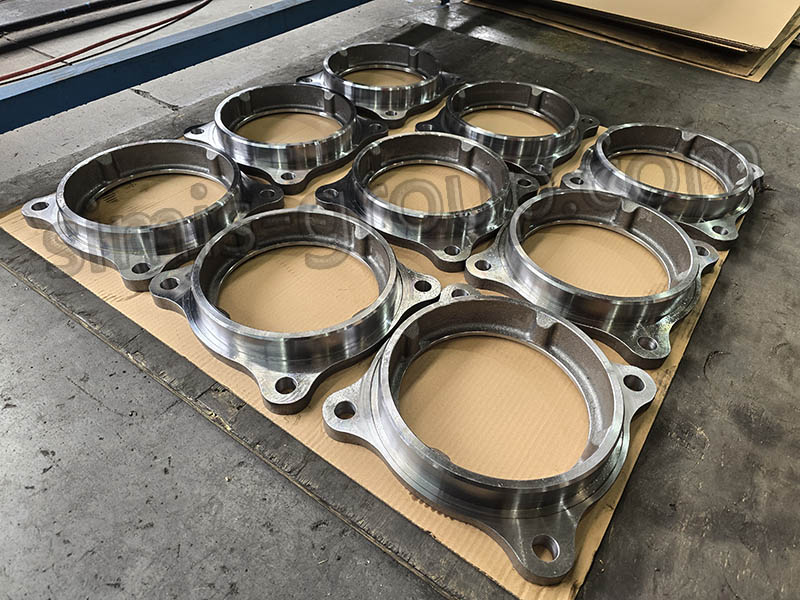
Case 2: Aluminum alloy EV battery casing (precision manufacturing, high surface finish and high dimensional accuracy requirements)
Key parameters: The casting material is 6061 aluminum alloy, the casting weight is 35kg, the dimensions are 800mm×500mm×200mm, the surface roughness requirement is Ra≤6.3μm, the dimensional accuracy is CT8~CT9, the application scenario is EV power battery packaging, the casting is required to be free of sand holes and air holes, with high internal density, mass production (annual capacity of 5000 pieces), and moderate cost control (unit cost of casting ≤ $4 /kg).
Molding sand selection logic and data:
① Material compatibility: Aluminum alloy has a low melting point (660℃), but requires extremely high surface quality and density. It is necessary to select molding sand with good air permeability, rounded particles, and no sand adhesion. Resin molding sand (aggregate is pearl sand) has rounded particles and a smooth surface. The binder is phenolic resin. It has high molding strength, which can significantly improve the surface quality of castings and has good dimensional stability, making it suitable for high precision requirements.
② Surface and precision requirements: Ra≤6.3μm surface roughness, which clay molding sand cannot meet (easily produces sand grain marks), while resin molding sand (jewel sand aggregate) can be precisely matched, and the casting surface is smooth without sand marks;
③ Application scenario: EV battery casing, which needs to withstand a certain amount of impact and vibration, requires high sand mold strength. The molding strength of resin sand (0.8~1.5MPa) is far superior to that of clay sand, which can reduce dimensional deviations caused by sand mold deformation;
④ Price factors: The reference cost of resin molding sand (pearl sand aggregate) is 1,800 yuan/ton, which is higher than that of clay molding sand. However, the recycling rate is over 80%, and it can reduce the defect rate of castings (defect rate ≤ 0.5%), reduce scrap losses, and has the best overall cost performance.
Selection result: Resin molding sand (aggregate is granulated sand, combined with phenolic resin binder). Actual application effect: The surface roughness of the casting Ra=4.8~6.3μm, the dimensional accuracy meets the CT8 requirements, there are no sand holes or air holes, the density meets the standard, and it fully meets the usage requirements of EV battery shell. The unit casting molding sand cost is $0.15 /kg, which takes into account both quality and economy.
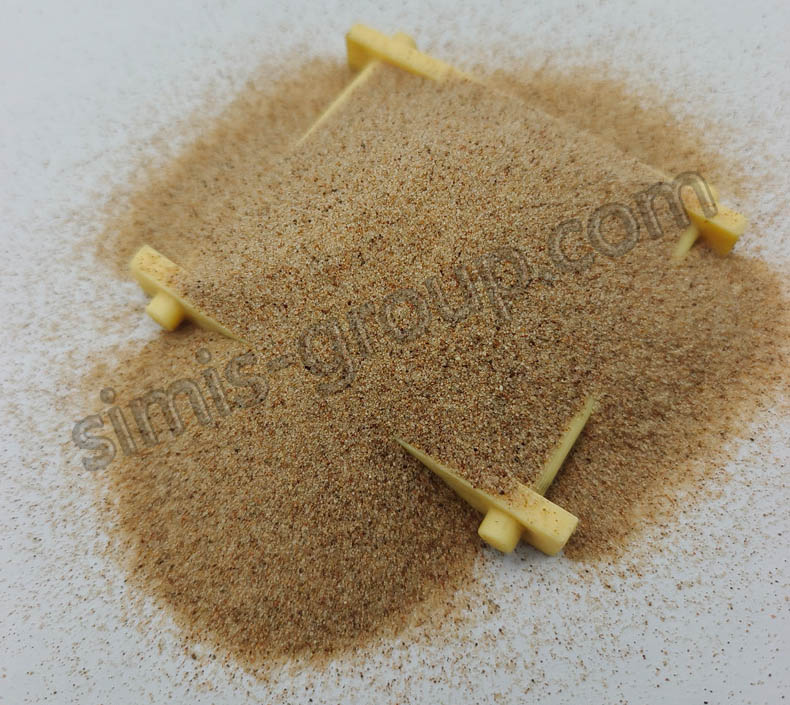
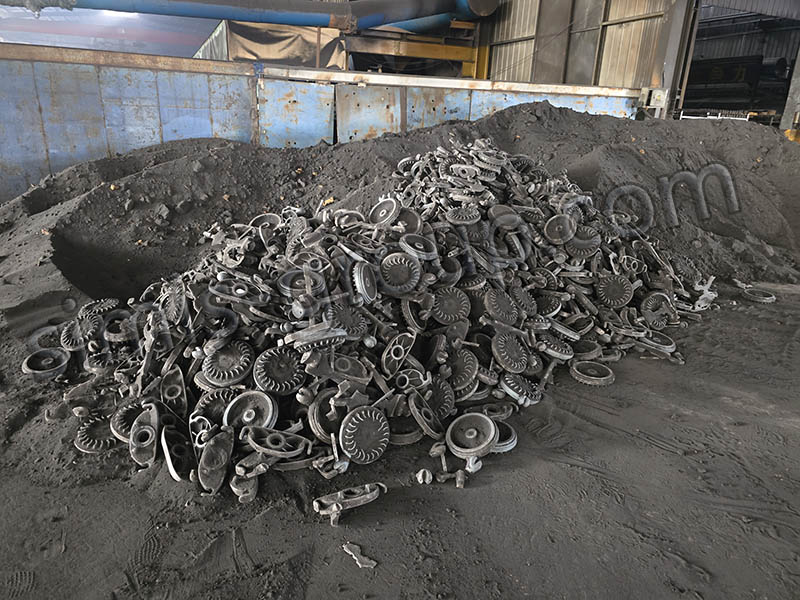
(Coated Sand)
Case 3: Stainless steel heavy machinery gears (custom production, high temperature resistance and high defect resistance requirements)
Key parameters: The casting material is 304 stainless steel, the casting weight is 800kg, the dimensions are 1200mm×600mm×400mm, the surface roughness requirement is Ra≤10μm, the dimensional accuracy is CT9, the application scenario is heavy-duty mechanical transmission, which needs to withstand high temperature (≤600℃) and high torque, and the casting must be free of shrinkage cavities and sand inclusions. The batch size is small (annual production capacity of 100 pieces), and cost control is relaxed.
Molding sand selection logic and data:
① Material compatibility: 304 stainless steel has a high melting point (1450~1500℃), and clay molding sand is prone to softening and sand adhesion at high temperatures. Therefore, molding sand with excellent high temperature resistance should be selected. Water glass molding sand (aggregate is chromite sand) has a high temperature resistance of 1800~2000℃, strong anti-sand adhesion and anti-corrosion ability, and can effectively avoid surface defects of castings.
② Surface and precision requirements: medium surface roughness, but no sand inclusions or sand holes are required. Water glass molding sand has excellent anti-sand adhesion properties. When combined with chromite sand aggregate, the surface quality of the casting can be ensured.
③ Application scenario: Heavy machinery gears, with many thick-walled parts (maximum wall thickness 40mm), requiring molding sand with good air permeability. Water glass molding sand (air permeability 70~120ml/(cm²·min)) can meet the requirements and reduce porosity defects;
④ Price factors: Small batch size allows for more relaxed cost control. The reference cost of water glass molding sand (chromite aggregate) is $460 /ton. Although the cost is relatively high, it can ensure the quality of castings and avoid rework and scrap losses due to defects.
Selection result: Water glass molding sand (aggregate is chromite sand, combined with water glass binder + CO₂ curing agent). Actual application effect: The castings are free from sand adhesion, sand inclusion, and porosity defects. The surface roughness Ra=8~10μm, the dimensional accuracy meets the CT9 requirements, the performance is stable at high temperature, and it can meet the requirements of heavy machinery gears. Although the molding sand cost is relatively high, the overall production efficiency is the best.
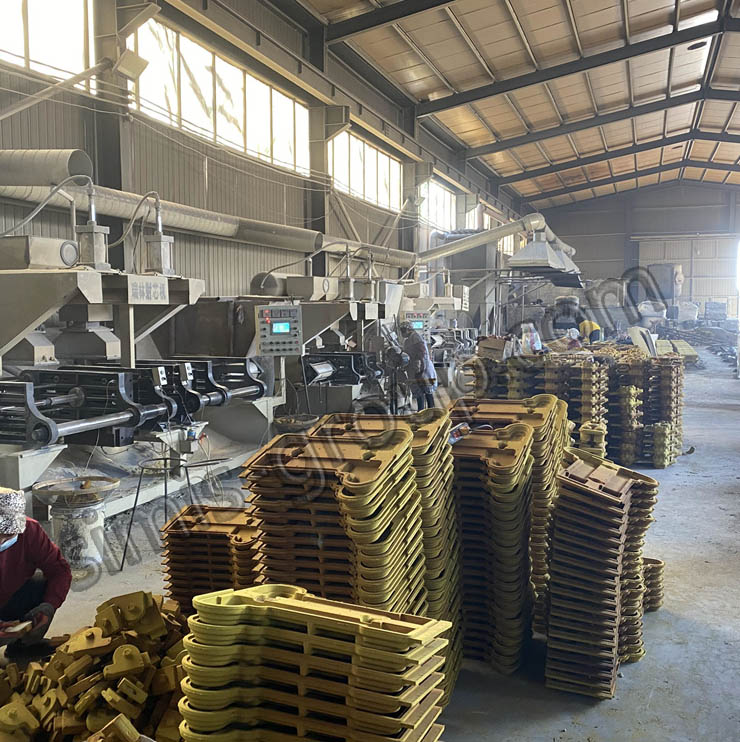
Simis Sand Foundry engineers' summary of principles for selecting different molding sands for different products :
·Material matching: For castings with high melting points (stainless steel, alloy steel), water glass molding sand and resin molding sand (zircon sand/chromite sand aggregate) with good high temperature resistance should be given priority; for castings with low melting points (gray cast iron, aluminum alloy), clay molding sand and organic ester water glass molding sand can be used to reduce costs.
·Surface and precision: For surface roughness Ra≤6.3μm and dimensional accuracy CT8 and above, resin molding sand and coated sand are preferred; for medium precision and surface requirements, clay molding sand and organic ester water glass molding sand are preferred.
·Application scenarios: For high temperature, high pressure, and high load conditions, choose high-strength, high-temperature resistant, and corrosion-resistant water glass molding sand and resin molding sand; for ordinary conditions, choose cost-effective clay molding sand; for complex structures and easy-to-clean requirements, choose coated sand and organic ester water glass molding sand.
·Price balance: For large batches and cost-sensitive products, clay molding sand is preferred; for small batches and high quality requirements, resin molding sand, coated sand, and water glass molding sand can be used to balance quality and overall benefits.
What types of molding sand are typically used to manufacture parts for which applications?
Sand casting, with its advantages of strong adaptability, low cost, and flexible process, is widely used in many industries such as automotive, machinery, new energy, aerospace, construction, and agriculture, covering a wide range of products from small precision parts to large heavy-duty parts. Its core application scenarios are concentrated on the production of parts with "complex structures, multiple materials, and flexible batch production." Different molding sands correspond to different part production needs, and can be specifically divided into the following categories:
·Core components of the machinery industry
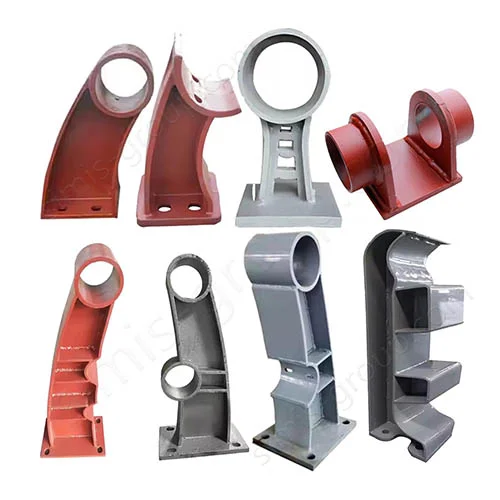
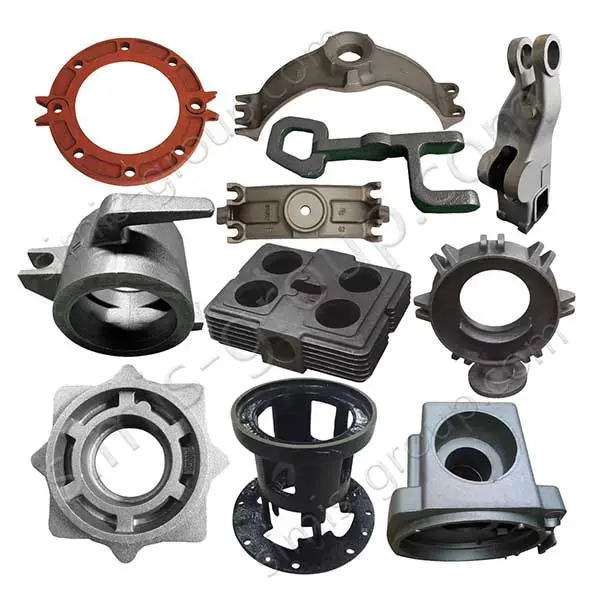
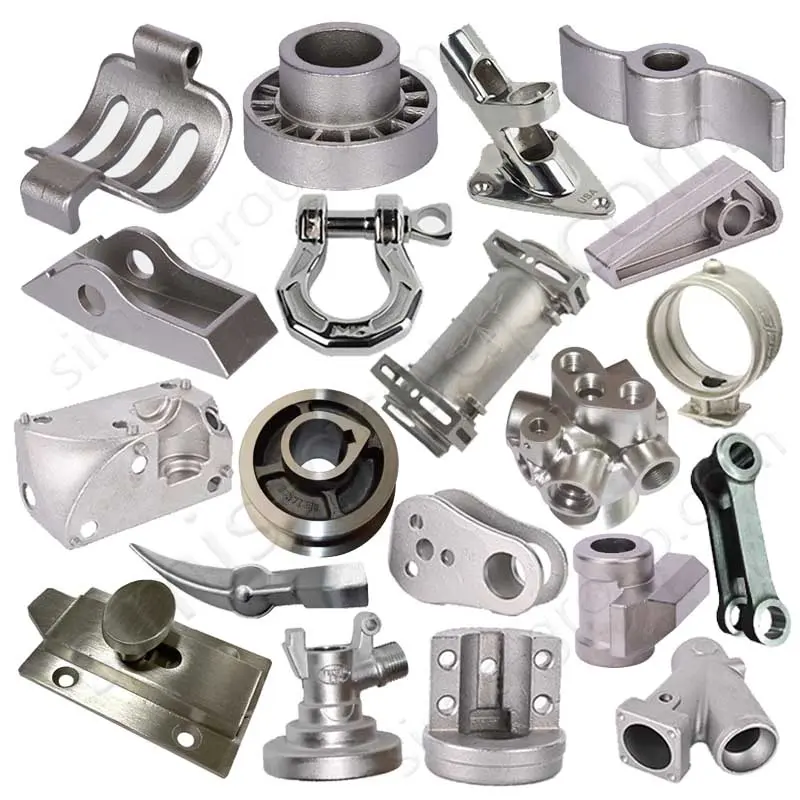
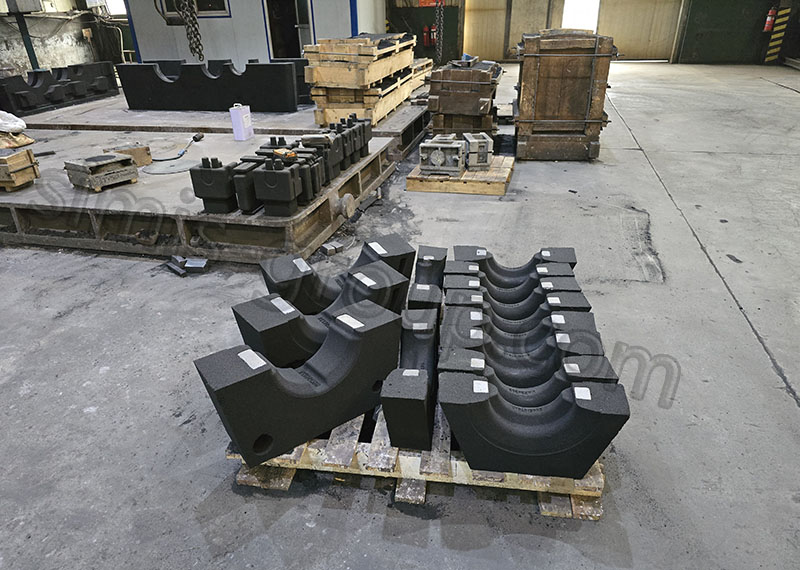
This is the most important application area of sand casting, covering key parts of various general machinery and heavy machinery , such as machine tool beds, gearbox housings, bearing seats, couplings, flanges, crankshafts, camshafts, connecting rods, etc.
These types of parts are mostly made of gray cast iron and carbon steel, with complex shapes and uneven wall thicknesses. Some need to withstand certain loads. Sand casting can quickly achieve mass production and meet the strength and dimensional requirements of the parts. Corresponding molding sand selection: clay sand is the main choice (low cost, strong batch adaptability). For large, thick-walled parts (such as heavy machine tool beds), water glass sand can be selected (high temperature resistance, corrosion resistance). For example, heavy machine tool beds (weighing up to several tons) are cast using clay sand (silica sand aggregate), which can ensure structural integrity and control production costs, and is currently the most mainstream production method.
·Automotive and new energy vehicle parts
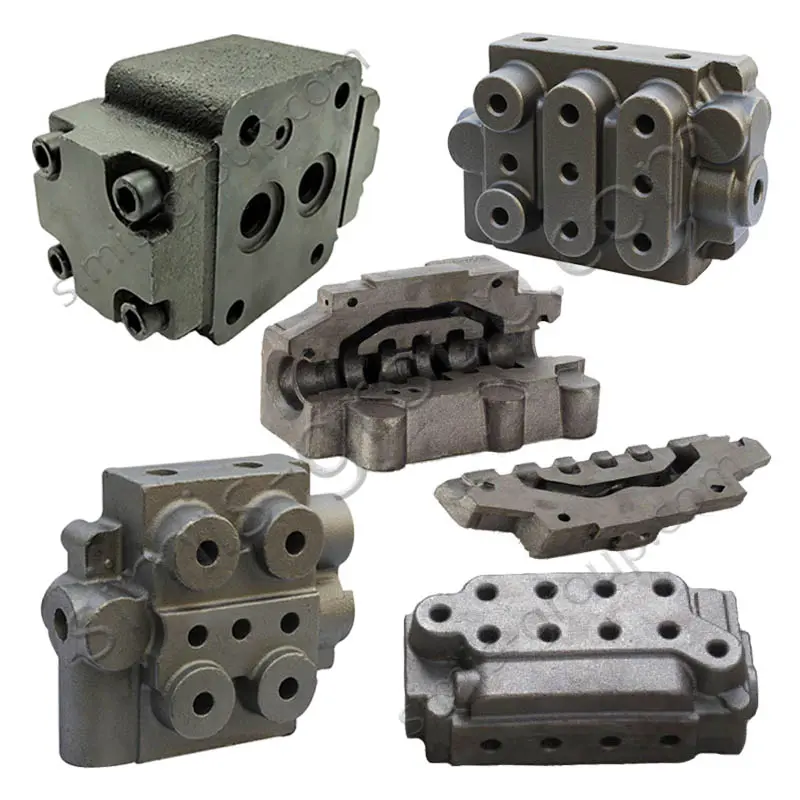
Sand casting is widely used in the automotive industry, covering various parts for both traditional fuel vehicles and new energy vehicles , such as engine blocks, cylinder heads, intake manifolds, exhaust manifolds, gearbox housings, differential housings, EV battery housings, motor housings, and suspension brackets.
Corresponding molding sand selection: For complex parts such as engine blocks and cylinder heads, organic ester water glass molding sand or resin molding sand (beaded sand aggregate) is used to ensure the unobstructed flow and dimensional accuracy of internal air passages and oil passages; EV battery casings use resin molding sand (beaded sand aggregate) to meet the requirements of lightweight, high precision, and high density; intake manifold cores use coated sand, which is easy to clean and has a high surface quality, adapting to the development needs of new energy vehicles.
·Construction machinery and agricultural machinery parts
The parts of construction machinery and agricultural machinery are mostly large, thick-walled, impact-resistant, and wear-resistant, making them very suitable for sand casting production. Examples include: excavator bucket teeth, loader buckets, bulldozer bases, tractor gearboxes, harvester boom supports, and agricultural machinery gears.
These types of parts are mostly made of high manganese steel or alloy steel. The corresponding molding sand selection is as follows: water glass molding sand (chromite sand/olivine sand aggregate) can be used to improve the wear resistance and impact resistance of the parts and adapt to harsh working environments; for medium-complexity parts such as tractor gearboxes, organic ester water glass molding sand can be used, which takes into account both high temperature resistance and easy cleaning.
·Aerospace and high-end equipment parts
Sand casting is also an important production method for aerospace and high-end equipment parts that require small batches, high precision, and high temperature resistance, such as aircraft engine brackets, aerospace component shells, high-end valves, and precision gears.
These parts are mostly made of high-temperature alloys and stainless steel. The corresponding molding sand selection is as follows: resin molding sand (zircon sand/bead sand aggregate) is used, which can meet the requirements of high precision, high density and high temperature resistance, and ensure the stability of the parts under extreme working conditions; the precision gear core uses coated sand, which has high dimensional accuracy and good collapsibility, reducing subsequent cleaning processes.
·Other general-purpose parts
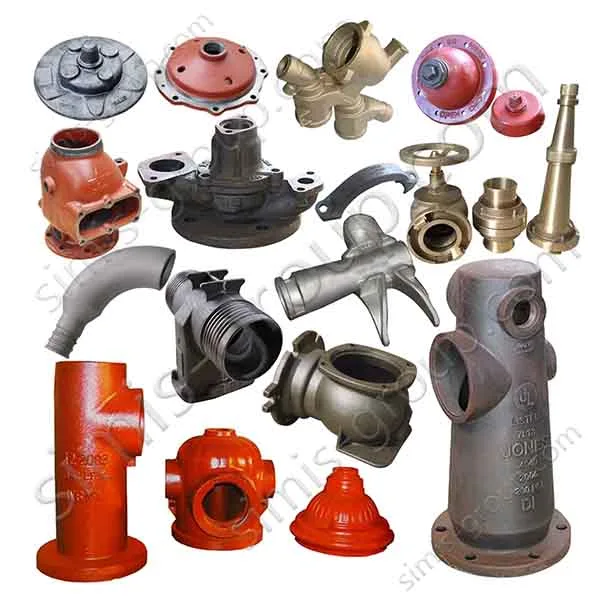
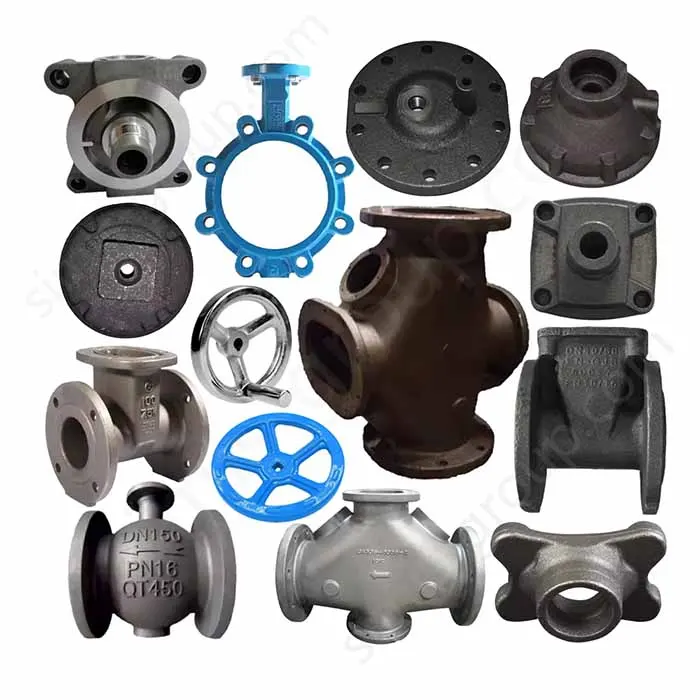
In addition to the industries mentioned above, sand casting is also used to produce various general-purpose parts, such as pipes, valves, pump housings, fire hydrant parts, hardware tools, and decorative castings, covering multiple fields such as construction, water conservancy, and hardware.
These types of parts are mostly mass-produced and have moderate quality requirements. Corresponding molding sand selection: use cost-effective molding sand such as clay molding sand and organic ester water glass molding sand to effectively control production costs and improve production efficiency; for small precision hardware tools, coated sand can be used to ensure surface quality and dimensional accuracy.
What are the key impacts of different molding sands on the quality of sand castings?
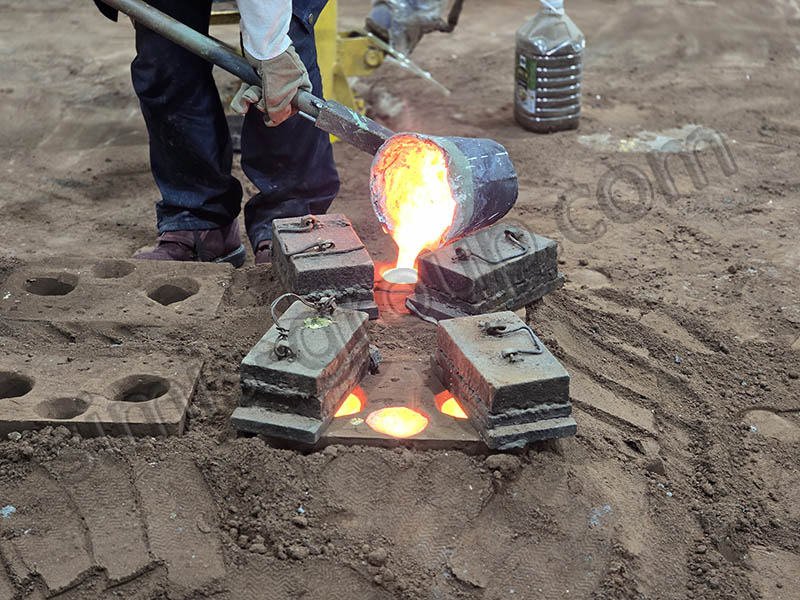
Based on the preceding discussion of molding sand characteristics, selection cases, and engineering practices, the impact of different molding sands on the quality of sand castings mainly focuses on four core aspects: surface quality, internal defects, dimensional accuracy, and mechanical properties. The aggregate and binder properties of the molding sand jointly determine its impact on casting quality, as detailed below, providing direct quality references for molding sand selection:
1. Impact on surface quality
The shape, size, and uniformity of the aggregate particles in molding sand, as well as the bonding performance of the binder, directly determine the surface roughness of the casting:
using resin molding sand or coated sand (zirconia sand aggregate, with rounded and uniform particles), the casting surface is smooth, and the roughness Ra can reach 4.8~6.3μm; using clay molding sand (ordinary silica sand aggregate, with irregular particles and many edges), sand grain marks are easily produced on the casting surface, and the roughness Ra is mostly above 10~12.5μm; the anti-sand adhesion performance of molding sand also affects the surface quality. Water glass molding sand and resin molding sand (chromite sand and zirconia sand aggregate) have strong anti-sand adhesion ability and can avoid sand adhesion and sand inclusion defects on the casting surface, while ordinary clay molding sand is prone to sand adhesion when pouring high-temperature metals, affecting the surface finish.
2. Impact on internal defects
The permeability and high-temperature resistance of molding sand directly affect the internal defects of castings. These two properties are jointly determined by aggregates and binders:
Molding sand with good permeability (resin-bonded molding sand, coated sand, high-quality clay molding sand) can expel gas from the mold in a timely manner, reducing porosity and pinhole defects in castings; Molding sand with poor permeability (inferior clay molding sand, improperly proportioned water glass molding sand) cannot expel gas in a timely manner, easily leading to dense porosity inside the casting, affecting its compactness. Molding sand with poor high-temperature resistance (ordinary clay molding sand) is prone to softening and collapsing at high temperatures, resulting in shrinkage cavities and sand holes in the casting; Molding sand with good high-temperature resistance (water glass molding sand, resin molding sand (zirconium sand/chromite sand aggregate)) can maintain the stability of the mold and reduce internal defects, and is especially suitable for thick-walled, high-temperature castings.
3. Impact on dimensional accuracy
The volumetric stability and molding strength of molding sand directly affect the dimensional accuracy of castings, and are primarily determined by the performance of the binder and the characteristics of the aggregate.
Molding sand with good volumetric stability (resin-bonded sand, coated sand, water glass sand) is less prone to expansion and deformation at high temperatures, resulting in stable mold dimensions and casting dimensional accuracy of CT8~CT9. Molding sand with poor volumetric stability (ordinary clay sand) is prone to expansion and contraction at high temperatures, leading to mold deformation and larger dimensional deviations in castings, with accuracy often below CT10. Insufficient molding strength of the molding sand (such as improper clay sand proportioning) can cause deformation and breakage of the mold during handling and pouring, further affecting the dimensional accuracy of the castings.
4. Effects on mechanical properties
The chemical stability and purity of molding sand affect the mechanical properties of castings, mainly determined by the purity of the aggregate and the chemical characteristics of the binder.
Molding sand with high purity and good chemical stability (resin-bonded sand, coated sand (zirconium sand, zirconia aggregate)) is less likely to react chemically with molten metal, ensuring uniform chemical composition of the casting and improving mechanical properties such as tensile strength and hardness. Molding sand with high impurity content (ordinary clay molding sand, inferior water glass molding sand) is more likely to react with metal, producing inclusions, reducing the mechanical properties of the casting, and even causing cracking. For example, aluminum alloy castings produced using resin-bonded sand (zirconia aggregate) have a 10% to 15% higher tensile strength than castings produced using ordinary clay molding sand.
Recommended high-quality sand casting foundry
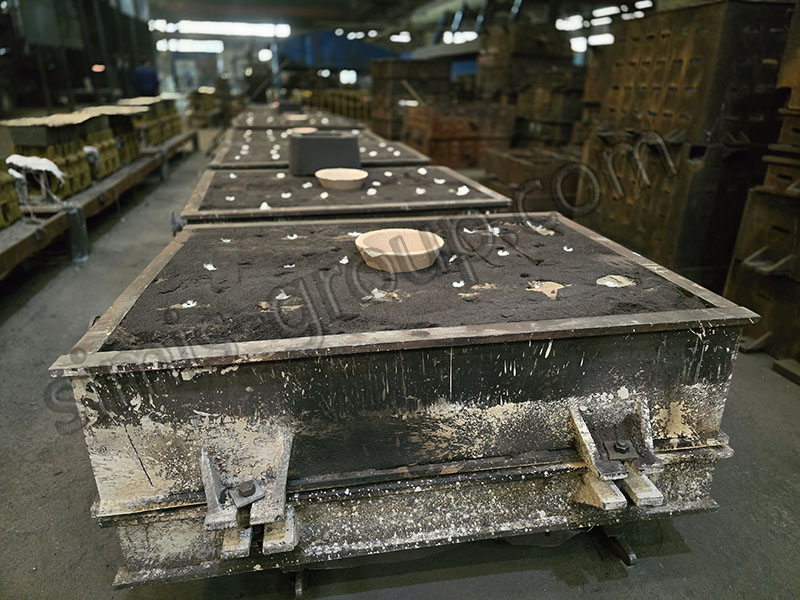
Choosing the right sand casting foundry is crucial to ensuring casting quality, delivery time, and production costs, recommend China SIMIS Sand Casting Foundry. This foundry specializes in sand casting, has in-depth expertise in the adaptation and application of different molding sands, and possesses complete production equipment, a professional technical team, and a strict quality control system. It can accurately match different molding sand selections and different casting requirements .
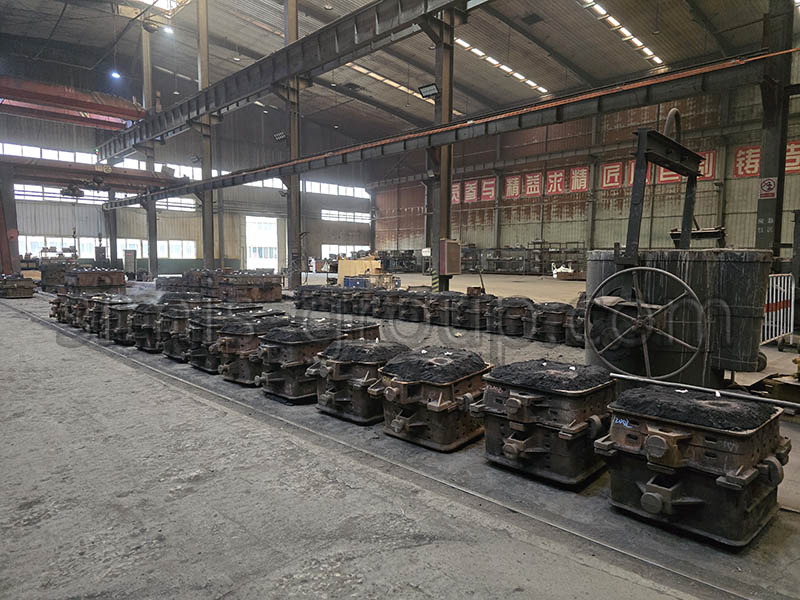
As a modern, high-capacity sand casting plant, SIMIS Sand Casting Plant covers an area of approximately 10,000 square meters and has an annual casting capacity of 10,000 tons. It can customize sand castings in various materials such as gray cast iron, ductile iron, alloy steel, carbon steel, aluminum alloy, copper alloy, and titanium alloy, catering to the needs of multiple fields including automotive, machinery, construction, energy, and agriculture. The plant is equipped with a full set of modern production equipment, including a fully automated sand casting production line, an automatic gating system, an automated cleaning line, and medium-frequency induction furnaces (500kg, 1t, and 2t), enabling fully automated production from sand processing, molding, core making, pouring to cleaning, improving production efficiency and the stability of casting quality.
Regarding molding sand selection and application, SIMIS boasts a professional process design team with in-depth knowledge of the characteristics of various types of sand, including clay sand, resin sand, water glass sand, and coated sand. Based on the material, surface quality, application scenario, and cost requirements of the customer's castings, SIMIS can accurately recommend suitable molding sand types and proportions (optimizing the aggregate and binder ratio) to ensure that the sand mold performance meets the casting quality requirements. Simultaneously, the factory is equipped with advanced testing equipment (coordinate measuring machine, spectrometer, hardness tester, ultrasonic testing machine, etc.) to comprehensively test the dimensional accuracy, chemical composition, and internal quality of castings, ensuring that products meet customer standards and industry specifications.
Furthermore, SIMIS sand foundry employs a variety of molding processes to accommodate the production needs of different molding sands, including clay sand, resin sand, and coated sand. This allows for flexible small-batch customization (starting from a single piece) as well as large-scale mass production (annual capacity of tens of thousands of pieces). SIMIS strictly adheres to ISO 9001 and IATF 16949 quality management systems, controlling the entire process from sand preparation, molding, and pouring to ensure stable casting quality and timely delivery. For customized customer needs, SIMIS provides a one-stop solution from process design, sand selection, sample production to mass production and after-sales technical support. With its professional sand application capabilities and extensive experience in sand casting, SIMIS has become a trusted sand casting partner for numerous companies worldwide.
Summarize
The core of sand casting is "molding sand". The type and characteristics of molding sand (determined by aggregate and binder) directly determine the feasibility of sand casting process and casting quality. "Selection" is the key to connecting molding sand with sand casting requirements. Reasonable selection of molding sand can not only meet the requirements of casting material, surface quality and application scenario, but also control production costs and improve production efficiency.
In actual production, the selection of molding sand should avoid "blindly pursuing high-end" or "simply pursuing low cost." It should be based on the specific needs of the casting, comprehensively balancing quality, cost, and production feasibility. At the same time, selecting a professional sand casting factory is crucial to ensure the rational application of molding sand and the stability of casting quality. With the continuous development of sand casting technology, the application of resin-bonded sand, coated sand, and organic ester water glass sand will become increasingly widespread. Their environmentally friendly, efficient, and high-quality advantages will drive the sand casting industry towards refinement and high-end development, better meeting the high-quality development needs of various industries.